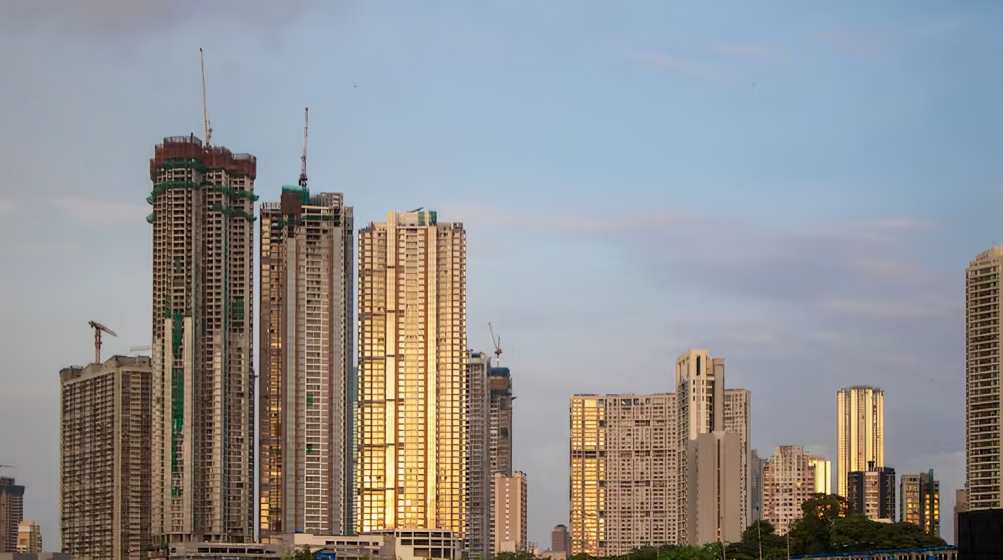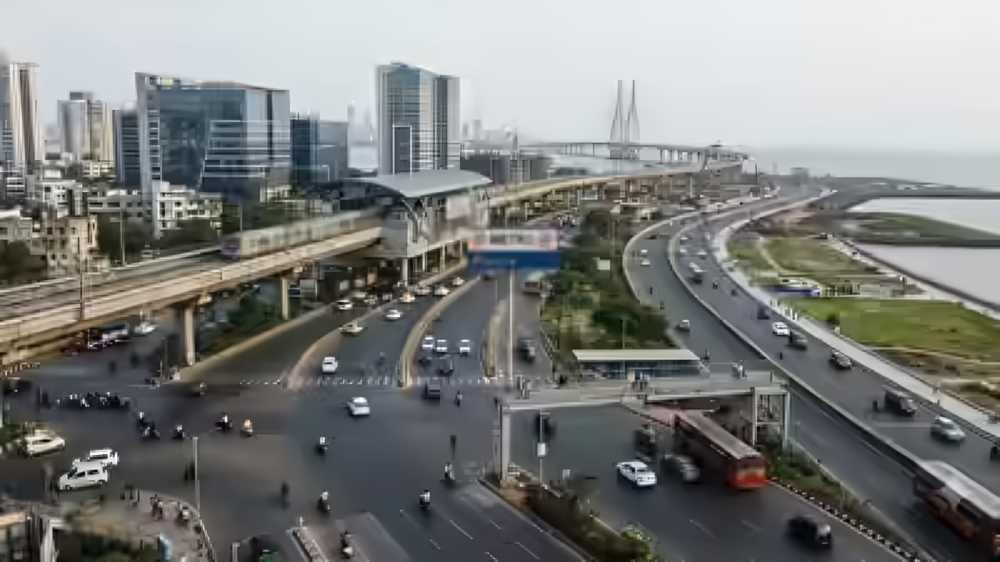

Mumbai’s real estate landscape is undergoing a significant transformation, with connectivity emerging as a more influential factor than traditional location prestige in determining property values. Improved transport infrastructure, including the Mumbai Trans Harbour Link (MTHL), the Coastal Road and the expanding Metro network, is reshaping buyer preferences and creating new real estate hotspots across the city.
Property consultants say homebuyers and investors are increasingly evaluating properties based on travel time to workplaces, Bandra-Kurla Complex (BKC), airports, and commercial hubs rather than simply choosing established premium addresses. This shift has given rise to what industry experts describe as a “connectivity-adjusted value” model.
The 22-km MTHL has significantly reduced travel time between Sewri and Nhava Sheva, improving access to Navi Mumbai and the upcoming Navi Mumbai International Airport corridor. Similarly, operational and upcoming Metro lines are unlocking new residential and commercial micro-markets that were previously considered peripheral.
The infrastructure expansion is also expected to boost commercial development. Central Mumbai is projected to add nearly 5 million sq ft of Grade-A office space, supported by Metro Line 3, future Metro corridors and enhanced connectivity to BKC and the airport. Improved accessibility is likely to attract Global Capability Centres (GCCs), financial institutions and technology firms, generating fresh demand for nearby residential developments.
With limited vacant land available in South Mumbai and the Island City, redevelopment has become the primary source of new housing supply. Revised Floor Space Index (FSI) norms and ageing housing societies are enabling larger, modern residential projects close to key transit corridors, attracting buyers seeking both convenience and upgraded living standards.
Developers are also redefining luxury by incorporating sustainable features such as energy-efficient designs, EV charging stations, rooftop solar systems and improved ventilation, alongside premium amenities.
As infrastructure continues to reshape the city, emerging transit-oriented locations are increasingly competing with Mumbai’s traditional premium neighbourhoods. Market experts believe future property appreciation will depend less on postal addresses and more on how effectively infrastructure reduces daily travel time and enhances overall quality of life.
Source: The Times of India