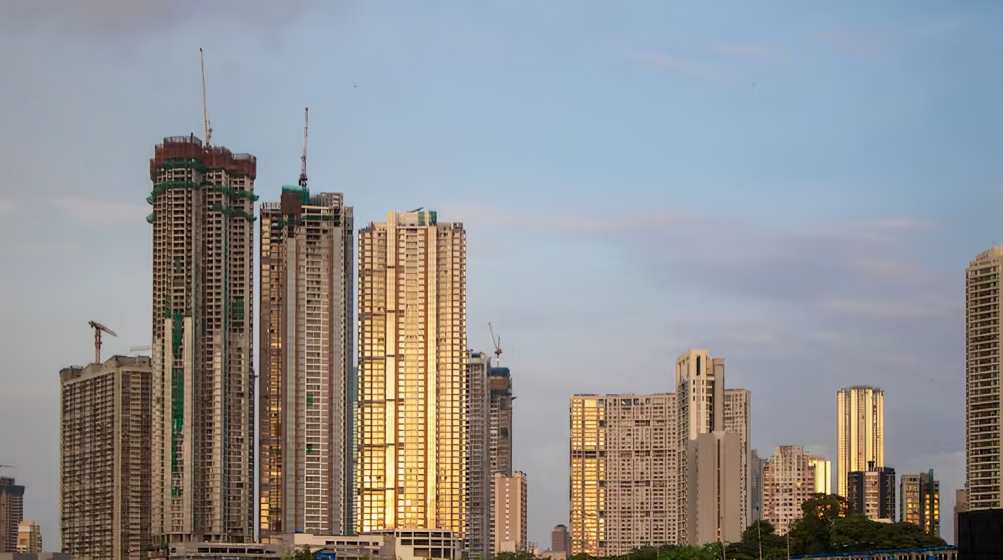

As Mumbai undergoes one of the country’s largest redevelopment cycles, experts believe the enormous volume of construction and demolition (C&D) waste generated from ageing buildings should be treated as a resource rather than discarded as debris.
With redevelopment underway across old housing societies, MHADA colonies, cessed buildings and major infrastructure projects, architect and interior designer Moayyed Fatehi said the city has an opportunity to transform demolition waste into an “urban mine” that can supply raw materials for future construction.
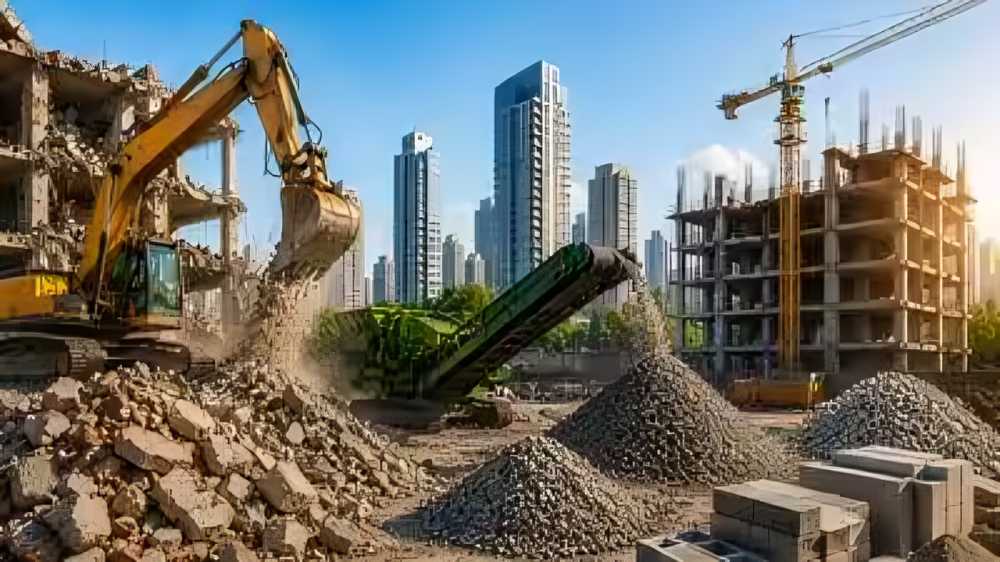
According to Fatehi, recycling C&D waste can play a key role in sustainable urban development at a time when landfill space is shrinking and concerns over environmental degradation are increasing. He estimates that nearly 70-80% of construction waste can be reused if it is properly segregated and scientifically processed, reducing dependence on fresh natural resources and lowering the environmental footprint of redevelopment.
He explained that achieving this requires moving beyond the conventional “Reduce, Reuse and Recycle” approach towards a circular economy, where materials recovered from demolished buildings are reintroduced into the construction process instead of being dumped in landfills. Proper segregation of waste at the source—including organic, biodegradable, inorganic and hazardous materials—is essential to maximise recovery and prevent contamination.
Concrete from demolished structures can be crushed and converted into recycled aggregates for road construction, structural filling and utility backfilling. Brick debris can be reused in waterproofing layers, landscaping works or processed into raw material for manufacturing new bricks.
Fatehi also highlighted the high recycling potential of metals such as structural steel, reinforcement bars, copper and aluminium, which can be recovered and reused without compromising their engineering properties, thereby reducing mining activity and manufacturing-related emissions.
Wood recovered from demolition sites can be converted into medium-density fibreboards, particle boards and wood-cement composite panels, while discarded ceramic tiles can be repurposed into decorative china mosaic flooring. However, hazardous materials such as lead-based products, certain plastics and chemically contaminated waste require separate handling because of the environmental risks they pose.
He further noted that advances in digital design and specialised software are making it easier to integrate recycled building materials into new projects without affecting structural safety or design flexibility.
As redevelopment and infrastructure projects continue to reshape Mumbai, experts say the focus should shift from merely disposing of demolition waste to recovering valuable materials that can be reused. Such an approach can reduce pressure on landfills, conserve finite natural resources and contribute to lower-carbon urban development, ensuring that the city’s next generation of buildings is built using the materials from those they replace.
Source: The Times of India