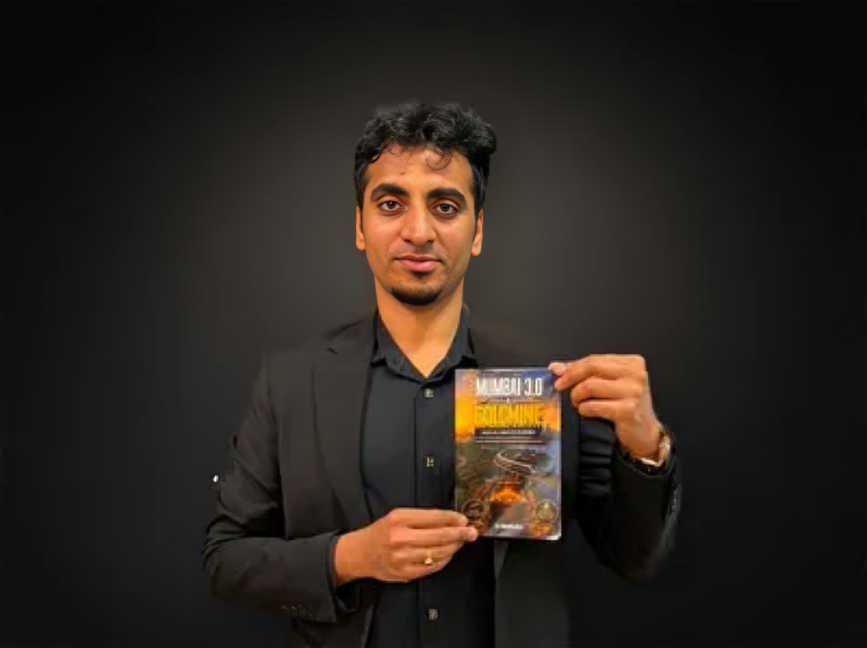

As infrastructure projects transform the Mumbai Metropolitan Region (MMR), investor, entrepreneur and immigration advisor Dr. Swapnil Kale has launched his new book, Mumbai 3.0 – A Goldmine, which examines how strategic land investments, rather than conventional apartment purchases, could define the next phase of real estate wealth creation.
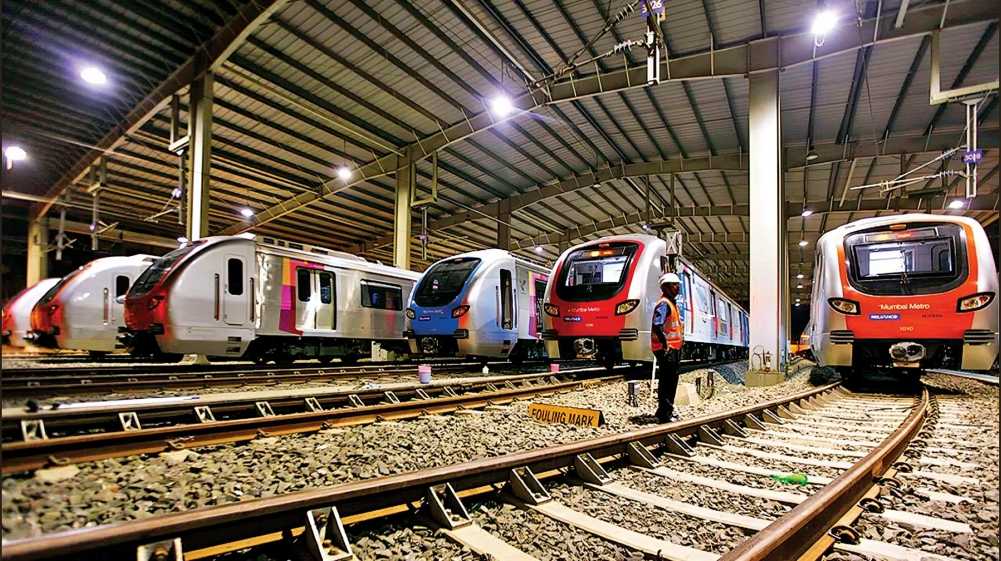
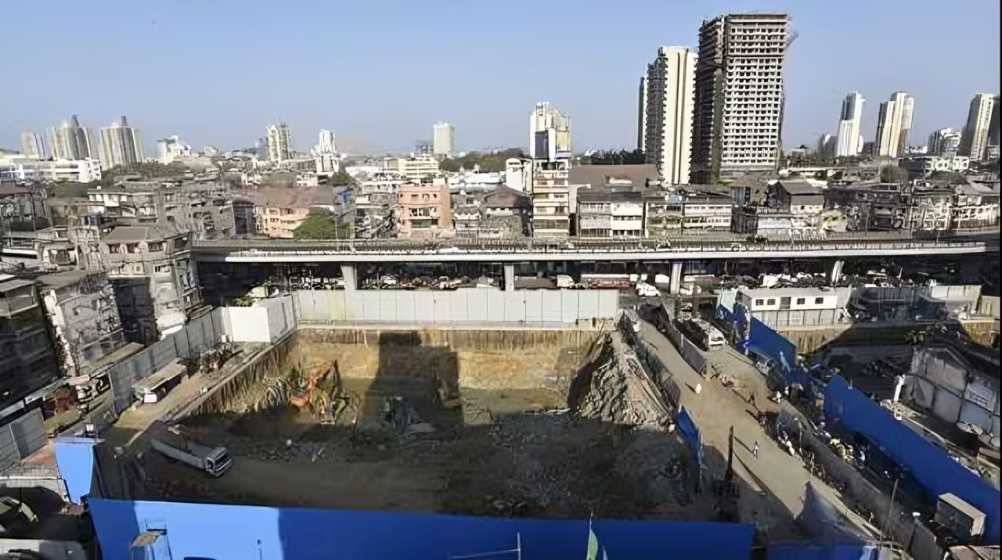
The book explores the impact of major infrastructure projects such as the Navi Mumbai International Airport, Atal Setu, Metro expansion and emerging urban corridors on future land values. It argues that infrastructure-led development is creating new investment opportunities beyond established residential markets, particularly in areas expected to witness long-term economic growth.
Beyond analysing market trends, the book also traces Dr. Kale’s personal journey. Coming from a middle-class background, he built his wealth through carefully researched land investments in locations where government-backed infrastructure projects were planned. Drawing from his own experience, he highlights the importance of research, patience and informed decision-making in real estate investing.
Instead of focusing on completed developments, Mumbai 3.0 – A Goldmine explains how infrastructure projects often drive urban expansion, improve connectivity and increase demand in surrounding regions long before large-scale development becomes visible. The book suggests that investors who identify growth corridors early are often better positioned to benefit from long-term appreciation.
Another key theme is the difference between purchasing property and investing in future growth zones. According to the book, land located in planned development corridors can gain value as infrastructure and economic activity expand. It also examines how policy initiatives, urban planning and connectivity influence the real estate market across the MMR.
The book further highlights the role of timing in investment decisions, arguing that success depends more on recognising emerging opportunities than on the amount of capital invested. It encourages readers to study development plans and infrastructure projects rather than relying solely on prevailing market sentiment.
Dr. Kale also aims to educate young investors and middle-class families about building long-term wealth through asset ownership. He believes land can become a powerful wealth-building tool when backed by proper research and strategic planning, even for those starting with modest investments.
Speaking about the book, Dr. Kale said, “Most people wait for a location to become popular before they invest. By then, a significant part of the opportunity has already passed. This book is about understanding the forces that create growth including connectivity, infrastructure, planning, and vision, and learning how to identify them early.”
Positioned as both an investment guide and a commentary on Mumbai’s evolving urban landscape, Mumbai 3.0 – A Goldmine offers readers insights into how infrastructure, planning and land appreciation may shape the region’s next real estate growth story.
Source: The Tribune