
Ulhasnagar is set for a major upgrade to its drinking water infrastructure after the Central government approved a Rs 211 crore water supply project under the AMRUT 2.0 scheme. The initiative is aimed at strengthening the city’s water distribution system, reducing transmission losses and ensuring a more reliable supply of safe drinking water to its growing population.
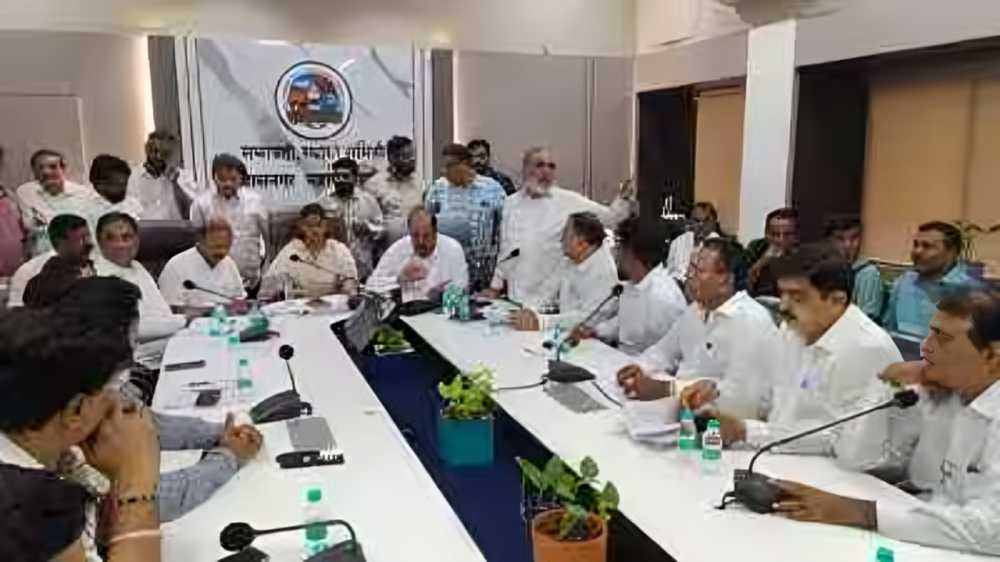
Following the approval, Ulhasnagar Mayor Ashwini Kamlesh Nikam, BJP MLA Kumar Ailani, Shiv Sena district president Gopal Landge and former MLA Pappu Kalani addressed a joint press conference, thanking Kalyan MP Dr Shrikant Shinde for his efforts in securing the project. The leaders also expressed their gratitude to the Central government for sanctioning one of the largest water infrastructure projects for the city.
Mayor Nikam said, “Once commissioned, the project is expected to provide a more reliable and efficient water supply to lakhs of residents across Ulhasnagar.”
The project includes the construction of an intake well, a jackwell, a pump house, a modern water treatment plant, raw water rising mains, solar power infrastructure, a new water distribution network, and other supporting facilities. The proposed infrastructure is expected to improve water treatment capacity while enhancing the city’s overall distribution network.
Kalyan MP Dr Shrikant Shinde thanked the Union government for approving the proposal and also acknowledged the support extended by Chief Minister Devendra Fadnavis, Deputy Chief Minister Eknath Shinde and Deputy Chief Minister Sunetra Pawar in facilitating the project.
Highlighting the significance of the investment, MLA Kumar Ailani said, “We have already set up a new pipeline across city, and the new fund will help to construct a water treatment plant from the Ulhas river and other facilities like water tanks and other required facilities which are pending, to strengthen the city’s distribution system to meet future population growth”.
Once completed, the project is expected to modernise Ulhasnagar’s ageing water infrastructure, improve operational efficiency and help meet the city’s future water demand through a more robust and sustainable supply network.
Source: The Times of India