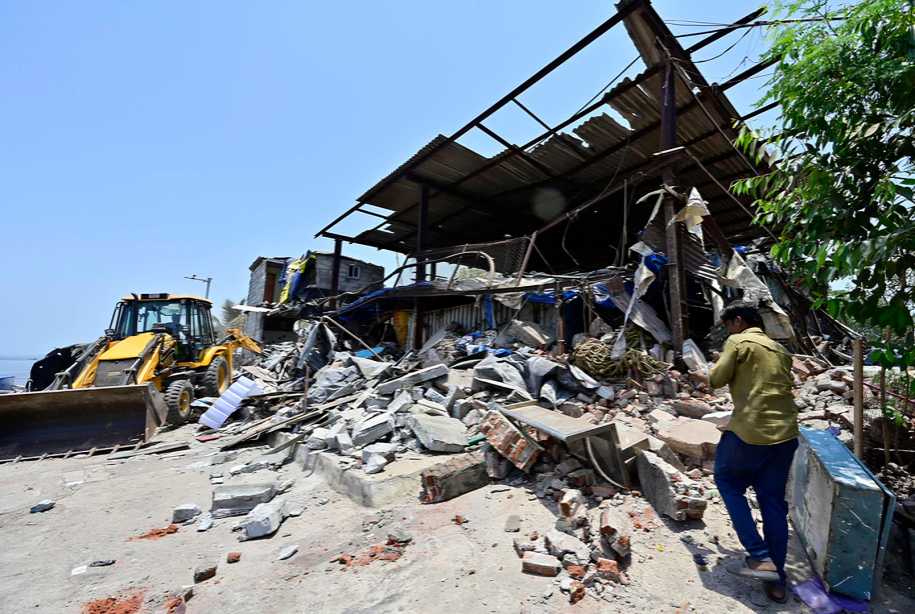

Residents and environmental groups have raised fresh concerns over alleged illegal quarry blasting in Kharghar, claiming excavation activities continue despite official intervention and ongoing proceedings before the National Green Tribunal (NGT).
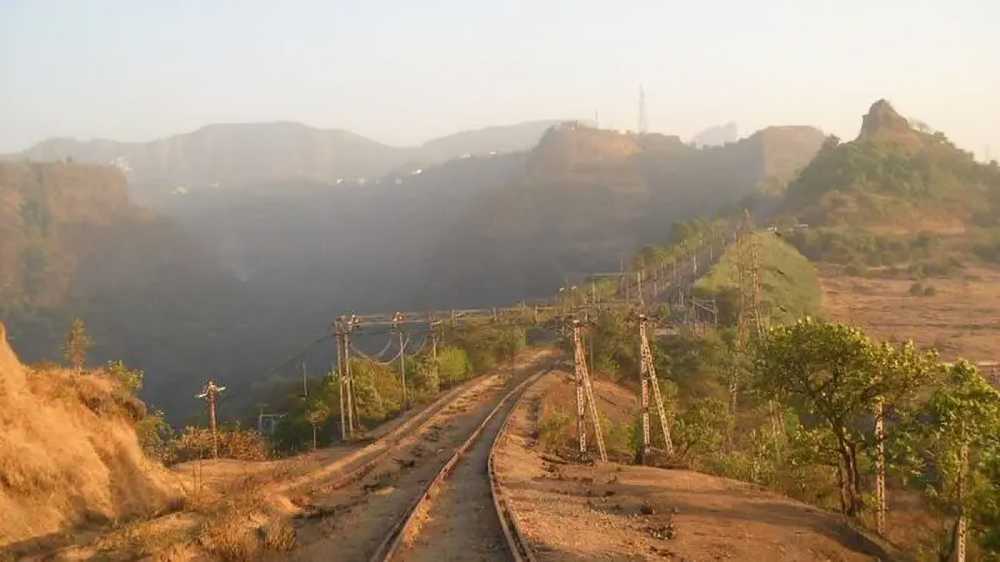
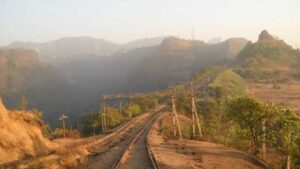
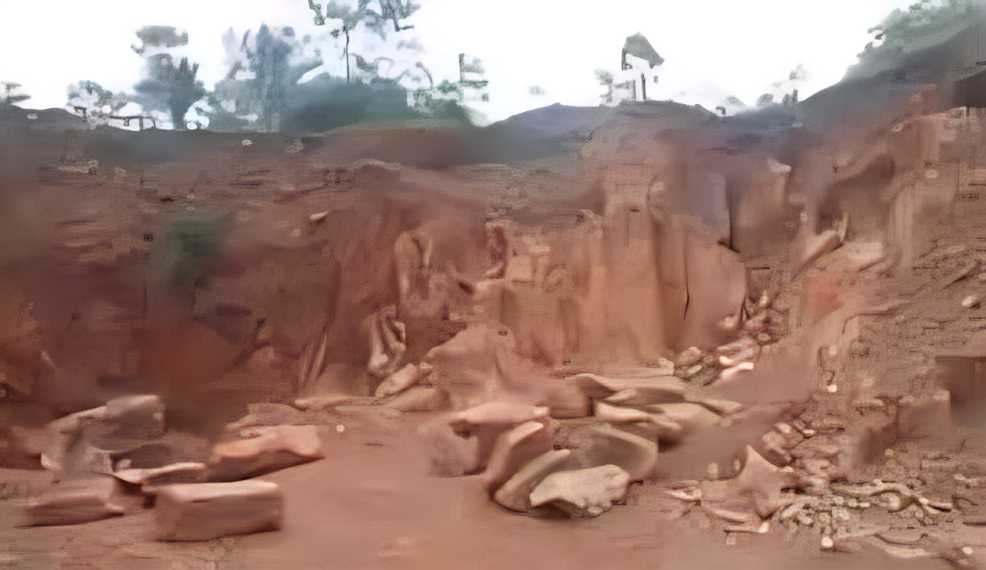
According to residents, blasting is continuing at an alleged stone quarry behind the Tata Memorial Centre’s Advanced Centre for Treatment, Research and Education in Cancer (ACTREC), as well as at a builder’s construction site near Utsav Chowk on the Kharghar hill range. The NGT’s Western Zonal Bench is scheduled to hear the matter.
Local residents alleged that powerful explosions, particularly during the night and amid heavy monsoon rains, have caused fear and raised concerns about public safety, environmental degradation and health risks.
The NatConnect Foundation, Swarnsrishti Habitat Restoration Foundation and Save Kharghar Ecology Forum have jointly submitted a representation to Chief Minister Devendra Fadnavis, seeking an immediate halt to all blasting and hill-cutting activities. While the Chief Minister forwarded the representation to the Urban Development Department for appropriate action over a week ago, residents claim the blasting has continued.
The issue is already under the NGT’s consideration after the Tribunal took suo motu cognisance of media reports highlighting the possible impact of mining activities on cancer patients and the surrounding environment.
In an affidavit submitted before the Tribunal, ACTREC stated that dust generated by stone mining frequently exceeded permissible limits and posed respiratory risks to patients undergoing chemotherapy and bone marrow transplantation. The hospital also warned that repeated blasting generated vibrations that could affect hospital buildings and disrupt highly sensitive equipment, including Proton Beam Therapy systems, radiotherapy accelerators and advanced research instruments. It further cautioned that quarry runoff could contaminate surface water within the campus.
The Tribunal has constituted a Joint Committee comprising officials from the Maharashtra Pollution Control Board, Raigad Collectorate, Directorate of Geology and Mining, and the Union Ministry of Environment, Forest and Climate Change to inspect the site, determine whether illegal mining has taken place, assess its impact and recommend remedial measures.
According to submissions before the NGT, the Raigad Collector stated that no quarrying permission has been granted since 2020-21, although six stone-crushing units continue to operate under earlier approvals.
“We welcomed the CM’s prompt response in referring our representation to the urban development department. Yet the blasting continues almost every day from two different locations on the same hill range. The administration must explain how this is being allowed when the matter is before the NGT and the district administration itself has stated that no quarrying permission exists,” said B N Kumar, director of the NatConnect.
Jyoti Nadkarni, director of the Swarnsrishti Habitat Restoration Foundation, said continuous hill blasting during the monsoon could destabilise slopes, increase landslide risks and permanently damage natural drainage systems. “These hills are part of Navi Mumbai’s ecological infrastructure. Once destroyed, they cannot be recreated,” she said.
Residents also voiced concerns over the long-term impact on the region’s landscape. “Instead of restoring hills already scarred by quarrying, another section is being blasted for construction. We are watching an entire hill range disappear before our eyes,” said Jyoti Nair, convener of the Save Kharghar Ecology Forum.
Source: The Times of India