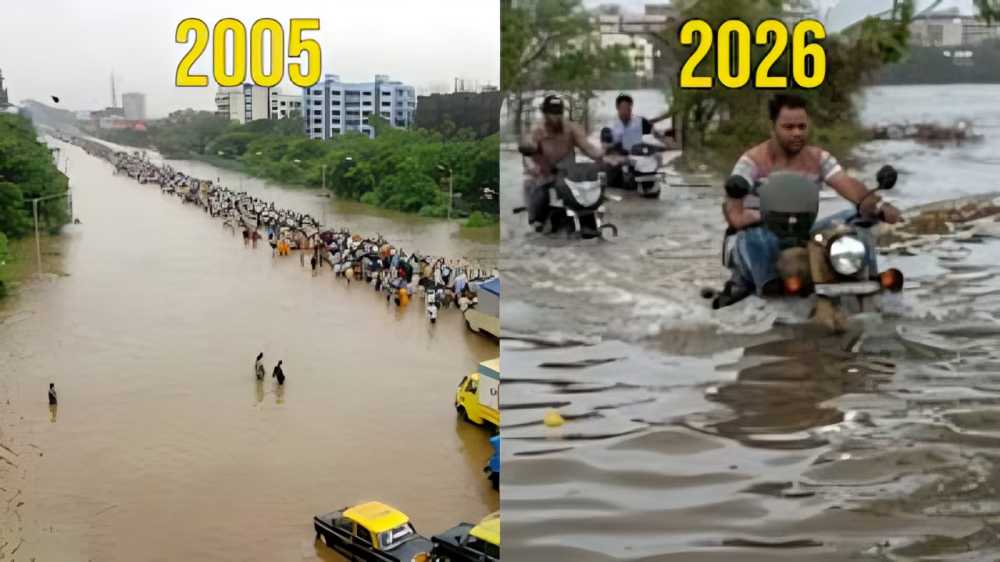

Twenty-one years after the catastrophic floods of July 26, 2005, Mumbai has significantly strengthened its flood management systems, upgraded critical infrastructure and improved disaster response mechanisms. Yet, with severe waterlogging continuing to disrupt normal life almost every monsoon, questions remain over whether India’s financial capital is truly prepared for another extreme rainfall event.
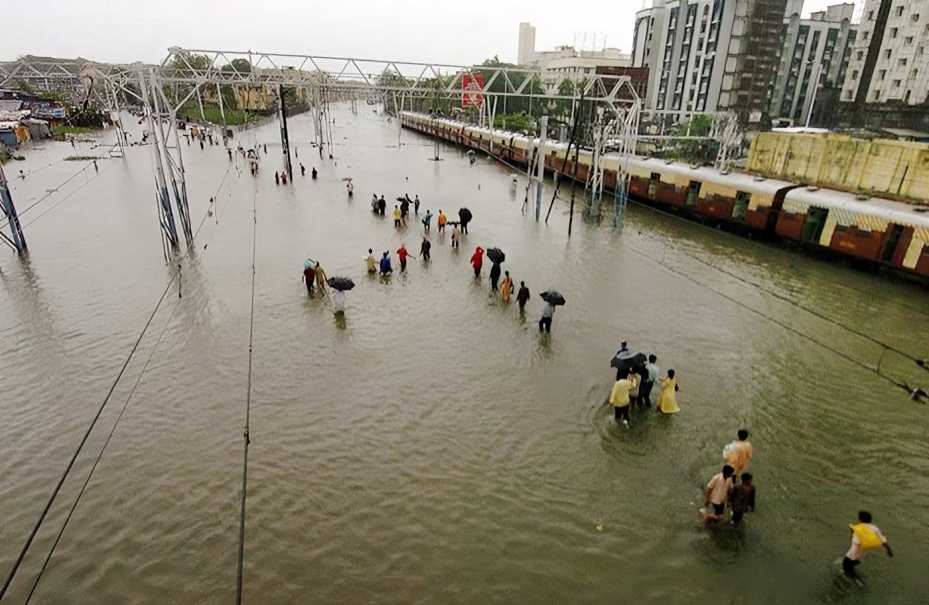
On July 26, 2005, Mumbai experienced one of the deadliest urban flooding disasters in the country’s history. The city recorded 944 mm of rainfall within 24 hours, including nearly 644 mm in just 12 hours, overwhelming its ageing stormwater drainage network and paralysing transport and civic services.
Roads were submerged, suburban train services came to a standstill, flights were cancelled, and thousands of residents were stranded overnight. Low-lying areas remained inundated for several days as overflowing rivers, clogged drains and high tides prevented floodwaters from receding.
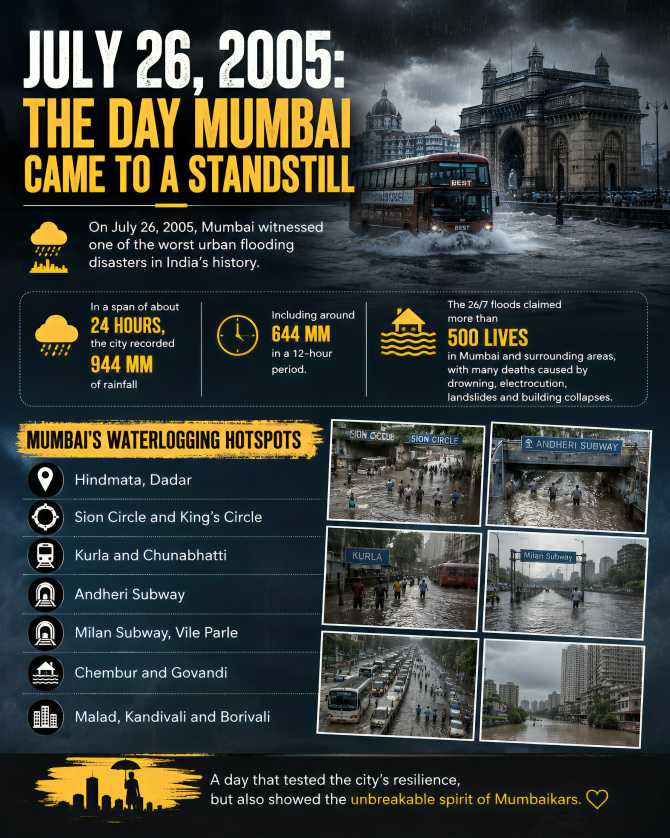
The disaster claimed more than 500 lives across Mumbai and neighbouring regions. Many victims died due to drowning, landslides, electrocution and building collapses, while thousands of homes were damaged and lakhs of commuters were left stranded.
The unprecedented flooding exposed serious gaps in Mumbai’s urban planning and infrastructure. Experts identified multiple factors behind the disaster, including record-breaking rainfall, an outdated drainage network designed for much lower rainfall intensity, the shrinking of wetlands and mangroves that naturally absorb excess rainwater, encroachments along the Mithi River and the coincidence of heavy rainfall with high tide, which prevented stormwater from draining into the Arabian Sea.
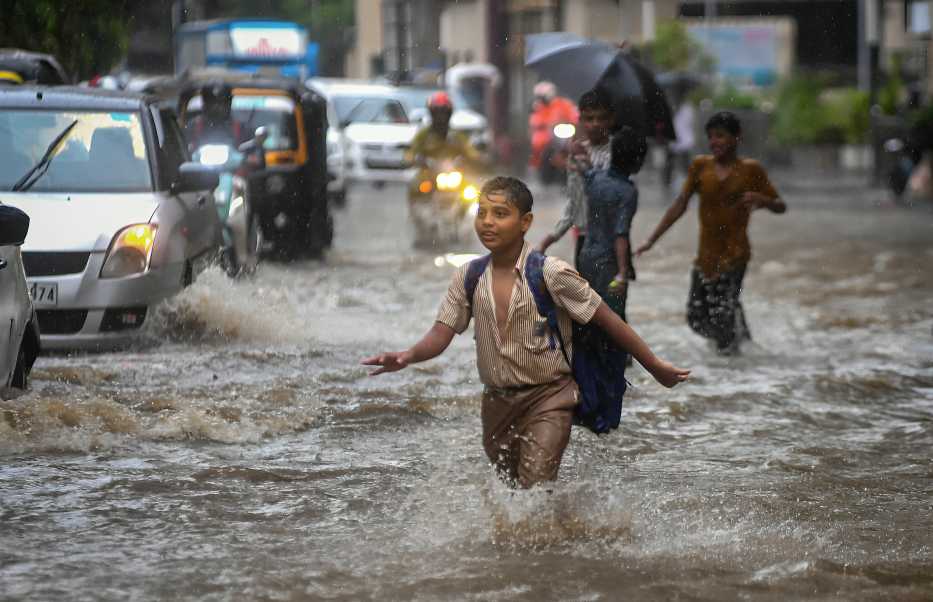
The floods prompted authorities to undertake one of Mumbai’s largest flood mitigation programmes. The Brihanmumbai Municipal Corporation (BMC) accelerated the implementation of the BRIMSTOWAD (Brihanmumbai Storm Water Disposal System) project, aimed at upgrading the city’s stormwater drainage network. Additional pumping stations were installed at vulnerable coastal locations, while restoration and desilting work on the Mithi River received renewed attention. Improvements were also made to weather forecasting, emergency communication and disaster response systems.
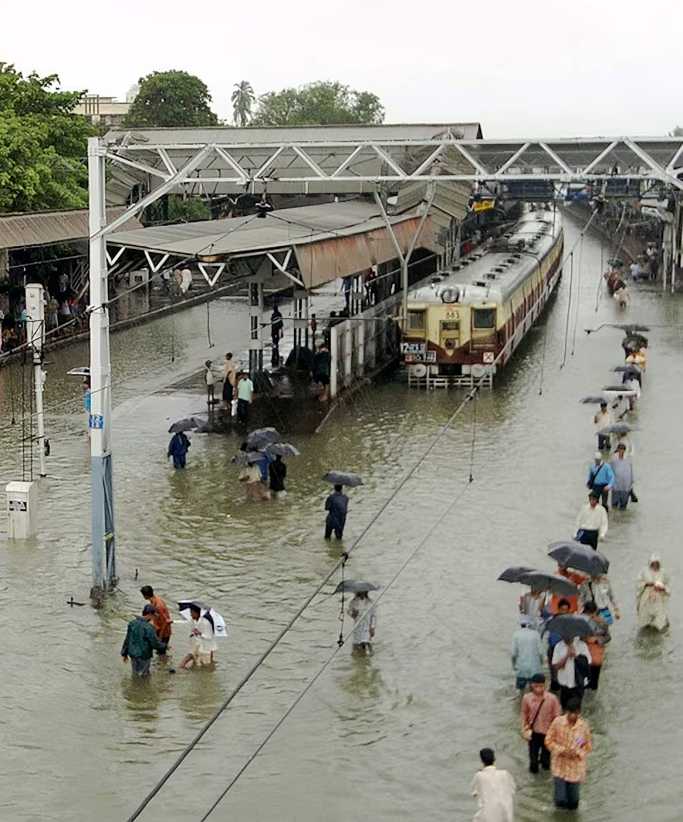
Despite these interventions, flooding continues to affect Mumbai during every monsoon season. Areas such as Hindmata, Sion Circle, King’s Circle, Kurla, Chunabhatti, Andheri Subway, Milan Subway, Chembur, Govandi, Malad, Kandivali and Borivali continue to witness recurring waterlogging whenever intense rainfall occurs.
Urban planners say Mumbai’s flood challenge has evolved over the past two decades. While infrastructure has improved, rapid urbanisation, large-scale concretisation, increasing pressure on drainage systems and climate change have made rainfall events more intense and unpredictable.
The city also faces the continuing loss of natural flood buffers, including mangroves, wetlands and open spaces, reducing its ability to absorb excess rainwater. At the same time, growing development across flood-prone areas has increased the number of people and properties exposed to extreme weather.
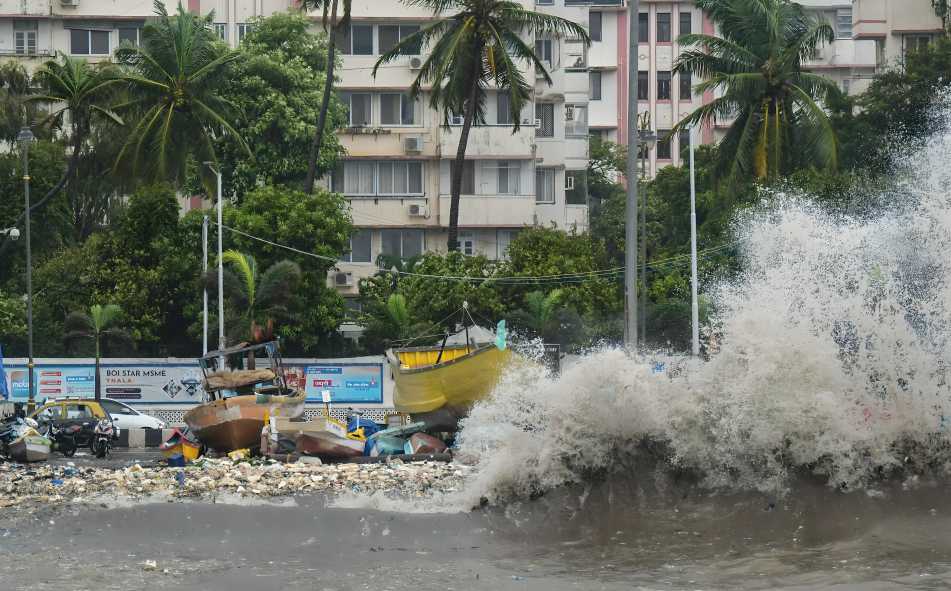
According to the India Meteorological Department (IMD), heavy rainfall events over India’s west coast have become more frequent in recent decades, with climate experts warning that coastal cities like Mumbai are likely to experience shorter but more intense spells of rainfall.
Even so, Mumbai’s response capability has improved considerably since 2005. Real-time weather monitoring, early warning systems, emergency rescue teams and coordination between civic agencies are now significantly stronger than they were two decades ago.
Yet the annual recurrence of flooded roads, stalled trains and traffic congestion serves as a reminder that preparedness alone cannot eliminate risk. Building long-term climate resilience will require continuous investment in drainage infrastructure, protection of natural ecosystems, better land-use planning and sustainable urban development.
The memory of 26/7 remains deeply etched in Mumbai’s history—not only as a devastating tragedy but also as a powerful reminder that in a rapidly urbanising coastal city, resilience must evolve as quickly as the challenges posed by nature.
Source: News18