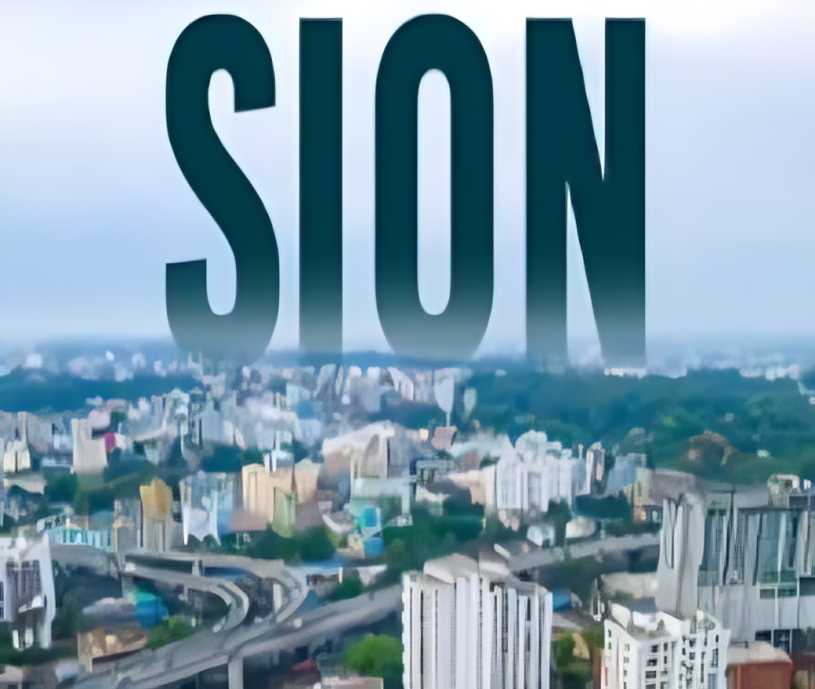

Sion, one of Mumbai’s most strategically located neighbourhoods, is witnessing a significant transformation as infrastructure upgrades reshape its residential and commercial landscape. According to Suhan Shetty, Founder of Rubics Group, the area’s strong connectivity, established social infrastructure and evolving urban ecosystem are positioning it as an attractive destination for homebuyers, investors and developers.
“Sion’s growth trajectory has been amplified by a wave of practical, operational infrastructure upgrades,” said Shetty. These developments have not only improved travel efficiency but have also enhanced the everyday living experience for residents, making the micro-market an example of how established neighbourhoods can evolve through planned infrastructure interventions.
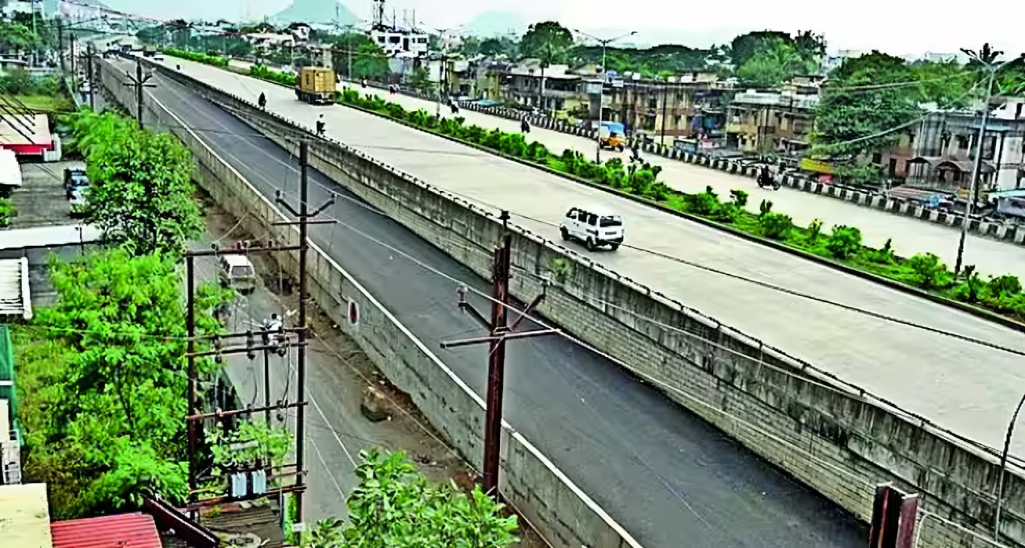
The area has historically benefited from its location at the intersection of the Central, Western and Harbour railway lines. Recent infrastructure projects have further strengthened this advantage. The Sion-BKC elevated connector, Mumbai Trans Harbour Link (Atal Setu), Coastal Road and expanding metro network have improved accessibility to key business districts such as Bandra-Kurla Complex, Lower Parel and Worli.
Improved road connectivity through routes like the Sion-Panvel Highway has also reduced travel time towards emerging employment hubs in Navi Mumbai. These upgrades are helping residents save valuable commuting hours while expanding access to workplaces, education centres and recreational destinations.
Beyond mobility, the combination of modern infrastructure and Sion’s established social ecosystem has enhanced its overall livability. The neighbourhood already has a strong network of schools, healthcare facilities, markets and civic amenities. Better transport links have strengthened access to these existing advantages, benefiting families, senior citizens and working professionals alike.
The changing infrastructure landscape has also influenced housing preferences in the area. Developers and buyers are increasingly focusing on projects that prioritise efficient layouts, natural light, ventilation, open spaces and wellness-oriented amenities. Modern homes that combine contemporary features with Sion’s traditional neighbourhood character are gaining greater acceptance among homebuyers.
From an investment perspective, Sion’s infrastructure growth offers the advantage of completed and operational projects rather than future promises. Property values in and around Sion have reportedly grown by approximately 37% between 2021 and 2025, while rising connectivity has supported rental demand and improved occupancy prospects.
However, sustaining this growth will require balanced urban planning. Future redevelopment must focus on essential aspects such as traffic management, waste processing, water systems, greenery and last-mile connectivity. Maintaining pedestrian-friendly streets and involving residents in redevelopment decisions will be crucial to preserving Sion’s community character.
Sion’s transformation highlights how infrastructure-led development, when combined with social planning and sustainability, can improve urban life without affecting the identity of an established neighbourhood. As Mumbai continues to expand, Sion serves as an example of inclusive and well-planned urban renewal.
Source: Mid-day