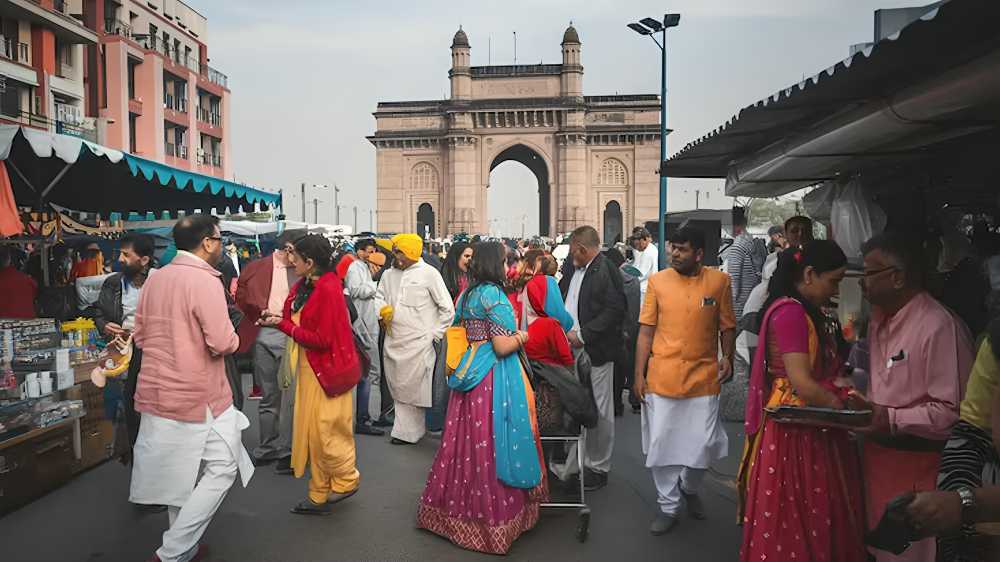

CultureCon 2026 brought together artists, cultural practitioners, policymakers and industry leaders at Mumbai’s NCPA to examine how the city can strengthen its cultural ecosystem while addressing gaps in infrastructure, mobility and public support.
At the two-day event, Sanjoy Roy of Teamwork Arts, which organises the Jaipur Literature Festival, underlined the larger significance of culture and creativity. “Art does matter. Culture matters. When armies conquer a land or a region, the first thing they do is go to libraries and destroy it. Like Nalanda University. Like the Taliban destroying the Bamiyan Buddhas. Or how Americans and Israelis target cities like Persepolis. These spaces are the crucible of civilisation. And they destroy it to make a statement,” he said.
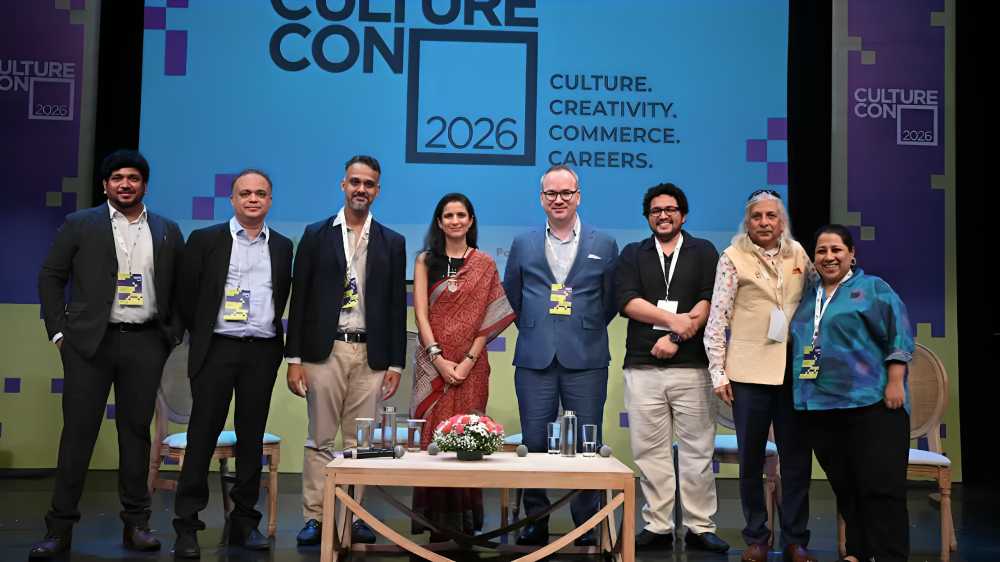
During a session on ‘Culture & The City’, speakers discussed what prevents Mumbai from becoming a stronger creative hub. Radha Goenka of RPG Foundation highlighted initiatives at places such as Banganga and Worli Koliwada, where cultural interventions included heritage documentation, murals, signage and community engagement.
“Places like museums are where culture is consumed, but culture is made before that. What needs to be done is enabling an environment where a cultural ecosystem can actually thrive,” she said.
The discussion also focused on the city’s limited cultural infrastructure and accessibility. Suraj Iyengar of Crisil Limited pointed to the disparity in creative-city recognition, noting that China has 20 UNESCO creative cities compared with nine in India.
Bruce Guthrie of NCPA stressed that cultural infrastructure must extend beyond performance spaces to include essential facilities such as food, water and toilets.
Public transport and venue infrastructure emerged as another concern. Priyank Mahajan of District by Zomato said limited venues, difficult logistics and inadequate transport can restrict India’s ability to host large international programmes.
Roy also highlighted the economic and social value of the creative sector, spanning films, crafts, heritage, textiles and performing arts. He called for better skilling, funding, intellectual-property support and simpler approvals. “Currently, it takes 26 permits to get an international show to India. But it’s vital to take the arts outside and not keep it restricted,” he said.
Source: Local Samosa