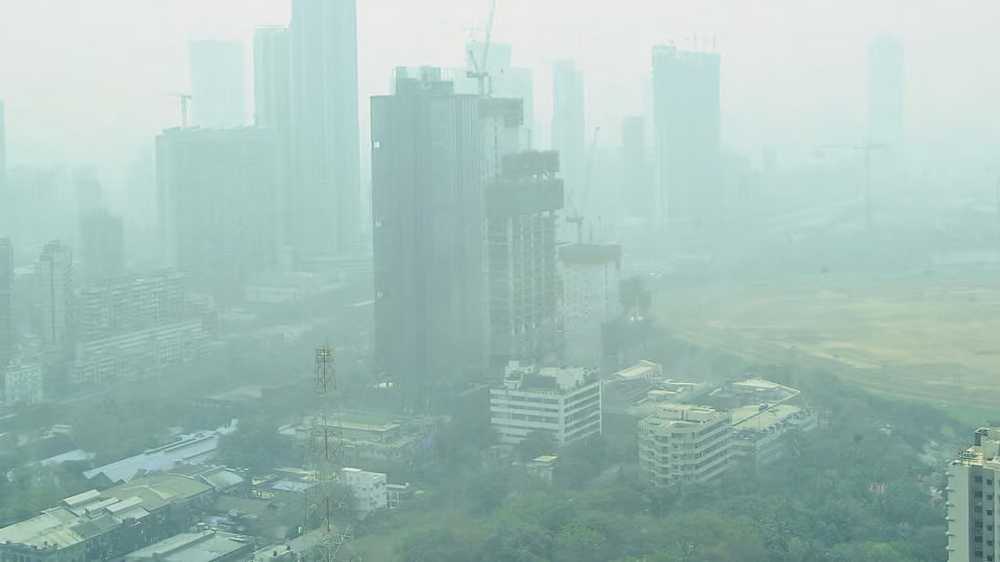

Developers seeking building approvals in Mumbai will now have to take greater responsibility for controlling construction-related air pollution, with the Brihanmumbai Municipal Corporation (BMC) making pollution mitigation measures part of the approval process.
Through a circular issued on September 2, the BMC has directed officials to incorporate specific conditions related to air-pollution control while granting Intimation of Disapproval (IOD) and approving amended building plans. Developers and architects or licensed surveyors will have to submit an undertaking agreeing to comply with the prescribed measures.
The move gives the civic body’s existing construction pollution guidelines greater regulatory weight. Non-compliance can now have a direct bearing on a project’s permissions, with the BMC warning of suspension of licences and revocation of development permission under Regulation 12 of the Development Control and Promotion Regulations (DCPR) 2034.
100% Premium Penalty for Work After Stop-Work Notice
The BMC has also specified a significant financial consequence for projects that continue unauthorised construction after receiving a stop-work notice. Such work can attract a penalty equivalent to 100% of the applicable premium rates, irrespective of concessions available under the regulation under which the project is being developed.
The same pollution-related undertaking will apply when developers seek approval for amended plans, effectively bringing air-pollution compliance into both new and ongoing approval processes.
Move Comes Amid Increased Construction Scrutiny
The decision follows heightened scrutiny of construction and demolition activities in Mumbai and directions emerging from the High Power Committee constituted to monitor air-pollution mitigation measures. It also comes after the Bombay High Court’s intervention in proceedings concerning air pollution in the Mumbai Metropolitan Region.
The BMC had already introduced revised 28-point guidelines for construction sites, covering measures such as enclosing construction sites, water sprinkling, anti-smog guns, covered transportation of construction material, tyre-washing facilities and sensor-based air-quality monitoring.
Enforcement has already intensified. Earlier this year, the BMC told the Bombay High Court that it had issued stop-work notices to hundreds of construction sites for failing to comply with air-pollution requirements, including the installation of air-quality monitors and other mitigation measures.
The latest circular therefore marks a shift from relying primarily on inspections and enforcement after violations to making pollution compliance a consideration at the building approval stage itself.
Developers to Carry Greater Responsibility
The move is likely to put greater accountability on developers as construction activity and redevelopment projects continue across Mumbai. Industry representatives have welcomed stronger enforcement while also calling for clear and consistent implementation.
NAREDCO Maharashtra vice-president Hitesh Thakkar said clean air should remain central to development decisions, while stressing that enforcement should be transparent, proportionate and consistent. Manoj Daisaria, former president of the Practising Engineers, Architects and Town Planners Association, said developers should primarily be responsible for ensuring that pollution-control measures are incorporated into projects.
With the BMC now linking pollution safeguards with IODs and amended plans, developers may have to treat construction-site air-pollution management as a core compliance requirement rather than a measure addressed only after work begins.
Source: Hindustan Times