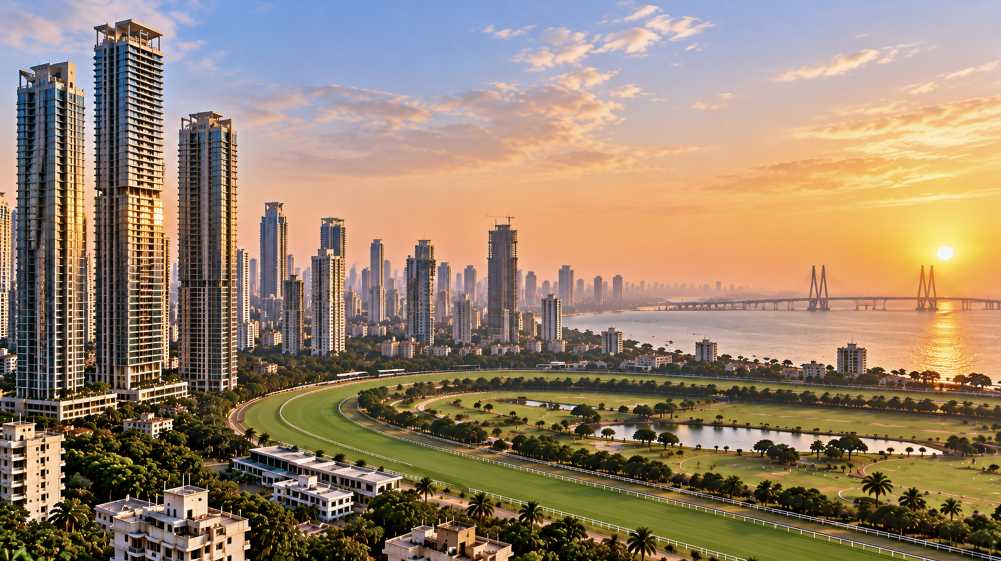
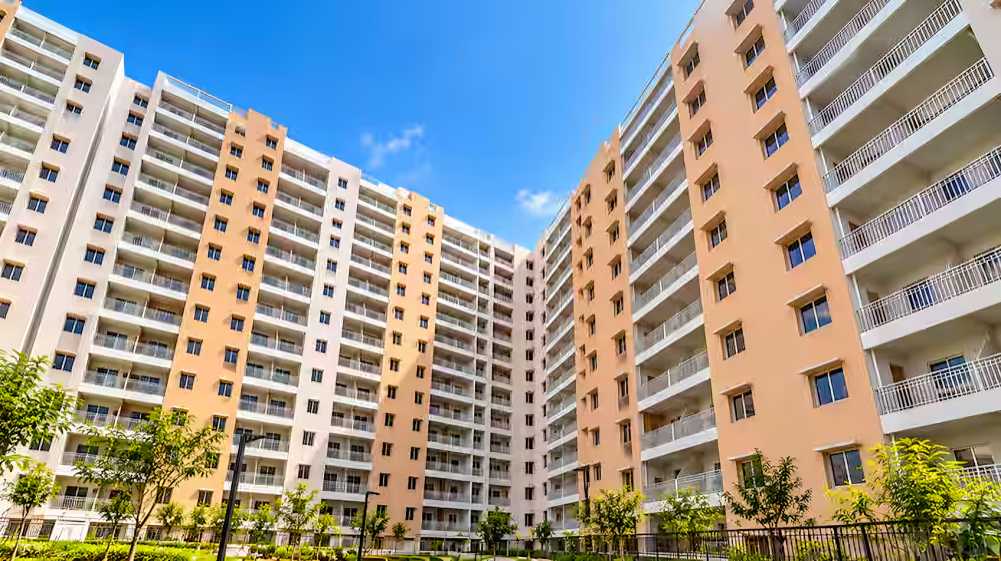
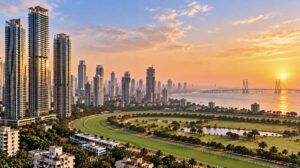
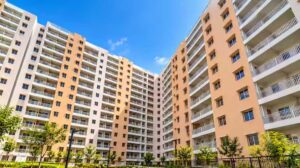
Mumbai’s real estate market is attracting a growing number of major developers from across India as strong luxury housing demand, limited land availability and a substantial redevelopment pipeline create opportunities for expansion.
The premium segment remains a key draw. Homes priced at Rs 10 crore and above generated Rs 18,512 crore in sales during the first half of 2026, recording 957 transactions and growing 12% year-on-year, according to the Mumbai Luxury Housing Report by India Sotheby’s International Realty and CRE Matrix.
“Mumbai combines high realisations, resilient demand and infrastructure-led growth, creating a compelling expansion opportunity for national developers. The surge in luxury launches — from 1,400 units above Rs 3 crore in 2020 to 11,700 in 2025 (8x growth), with luxury’s share rising from 7% to 34%, underscores a structural shift towards premiumization and higher-value development. With JVs, JDAs and strategic local partnerships enabling capital-efficient entry, developers that pair the right access model with differentiated products in high-potential micromarkets can capture this premiumization and build a scalable, sustainable long-term presence in the market.” said Samir Jasuja, Founder & CEO, PropEquity.
National Developers Step Into Mumbai
Several prominent developers are expanding their presence in the Mumbai Metropolitan Region. Embassy Developments has entered the market with luxury and second-home projects in Worli, Juhu and Alibaug, with an investment plan of around Rs 4,500 crore and a combined estimated gross development value of over Rs 12,000 crore.
Southern developers are also becoming increasingly active. Prestige Estates, Puravankara and Sobha have joined the Mumbai market, while established players such as DLF and Kolte-Patil Developers are strengthening their regional footprint.
The appeal, however, extends beyond luxury housing. With more than 70% of Mumbai already developed, redevelopment is becoming a major source of new supply.
Knight Frank data shows that 1,094 development agreements covering approximately 432 acres were signed between January 2020 and March 2026. The redevelopment pipeline could potentially generate nearly 59,000 homes valued at around Rs 1.5 lakh crore by 2031.
Redevelopment Is Changing How Developers Enter
The limited availability of large vacant land parcels is encouraging developers to pursue joint ventures, joint development agreements, society redevelopment arrangements and landowner partnerships instead of relying solely on outright land acquisitions.
DLF’s entry through a partnership with Trident Realty for The Westpark in Andheri West is one example. The project’s first phase recorded more than Rs 2,300 crore in sales.
Aakash Ohri, MD & CBO of DLF said, “DLF’s first project in Mumbai, The Westpark, has been received with tremendous warmth, and we are deeply encouraged by the response. As we prepare to introduce the second phase later this year, our focus remains on building thoughtfully and, over time, earning the trust of the city and its discerning homebuyers.”
Ohri further added, “Mumbai holds a special place in our plans. It is a market we see as both strategic and long-term, and one where we believe there is a strong appreciation for the quality, design and attention to detail that have always been central to our approach to residential development. As we look ahead, Delhi-NCR and Mumbai will remain important markets for DLF, with strong and discerning customer bases that appreciate the quality and value we seek to bring to our projects. We believe Mumbai will, over time, make a meaningful and sustained contribution to our overall residential business, and we look forward to being a part of the city’s evolving residential landscape.”
Kolte-Patil has similarly expanded its redevelopment strategy, announcing six projects across Santacruz West, Andheri West, Oshiwara, Versova, Ghatkopar East and Vashi, with a combined estimated GDV of Rs 6,000 crore.
Mumbai Still Comes With Challenges
Despite its strong market potential, entering Mumbai remains complex. High land prices, lengthy approval processes, rehabilitation requirements, fragmented ownership and extended construction cycles can affect project viability.
At the same time, buyers are becoming increasingly selective, with demand shifting towards larger homes, differentiated architecture, premium amenities and locations offering strong lifestyle and business connectivity.
For national developers, Mumbai is therefore no longer simply a market to enter. It is a market that requires a carefully tailored strategy, strong local partnerships and significant financial capacity.
As luxury demand continues to expand and redevelopment opens up new development opportunities, Mumbai is increasingly becoming a strategic market for India’s leading real estate companies. The same constraints that make the city difficult to navigate are also helping sustain its long-term value proposition for developers with the right execution model.
Source: The Free Press Journal