
The Navi Mumbai Municipal Corporation (NMMC) is preparing to restore a 10% water cut after Diwali, as concerns grow over the level of usable water available in Morbe Dam, the primary source supplying Navi Mumbai and parts of Kharghar. Municipal Commissioner Dr Kailas Shinde said the suspension of the existing restriction is temporary and that the civic administration is reviewing the city’s water-distribution system regularly.
The decision comes as Morbe Dam’s overall storage remains below last year’s level. Current usable storage is estimated at around 75-80%, while the total reservoir storage is about 91%. At the same time last year, usable storage was above 84%, according to NMMC-related reports.
The civic body had earlier imposed water restrictions as part of its annual supply management strategy. However, the cut was temporarily withdrawn during the festive period. With rainfall in the dam’s catchment area remaining weaker than expected, officials are now preparing for the possibility of reduced supplies later in the year.
Weekly Review of Water Supply
NMMC has begun conducting weekly assessments of water availability and consumption. Officials are also focusing on conservation measures, particularly at construction sites and swimming pools.
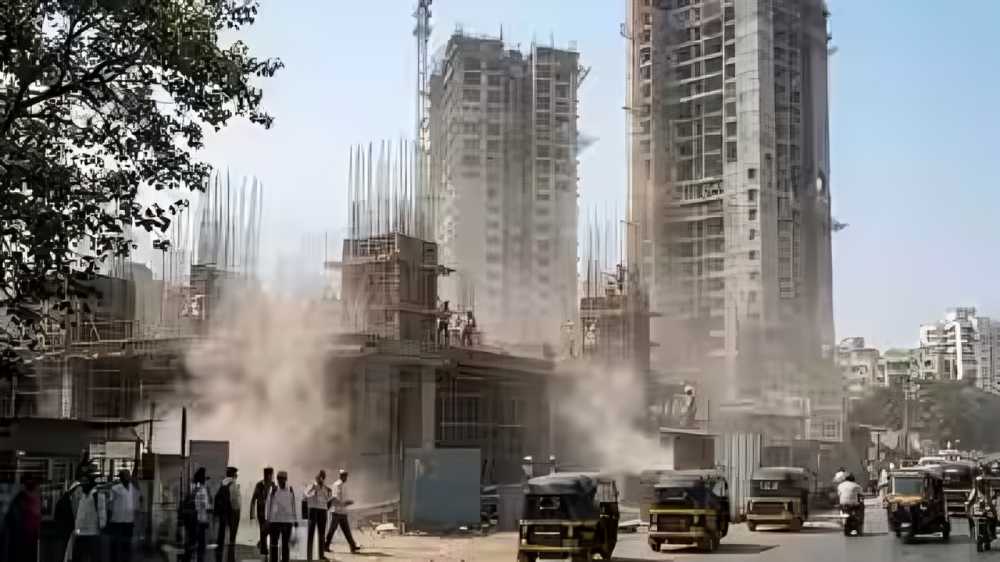
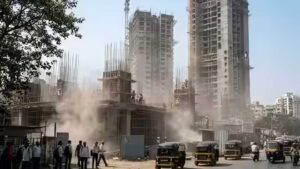
The civic administration has directed construction projects to use supplied potable water only for drinking purposes and has warned that misuse could lead to disconnection and penalties. Swimming pools have also been asked to adopt recycling and reuse systems to reduce freshwater consumption.
Decision Expected After Diwali
The administration’s present plan is to introduce the 10% reduction immediately after Diwali, subject to rainfall and reservoir conditions. A broader assessment of Morbe Dam storage is scheduled for November 30, after which NMMC is expected to determine the water-supply schedule for the following period.
Residents have meanwhile been urged to use water carefully and avoid unnecessary wastage as the civic body prepares for potentially tighter supply conditions in the coming months.
Source: Loksatta