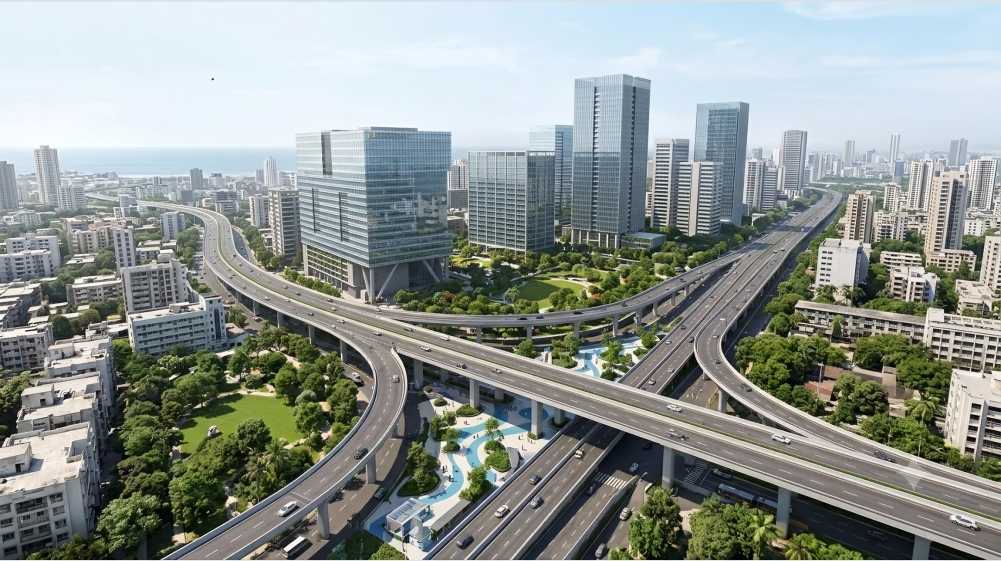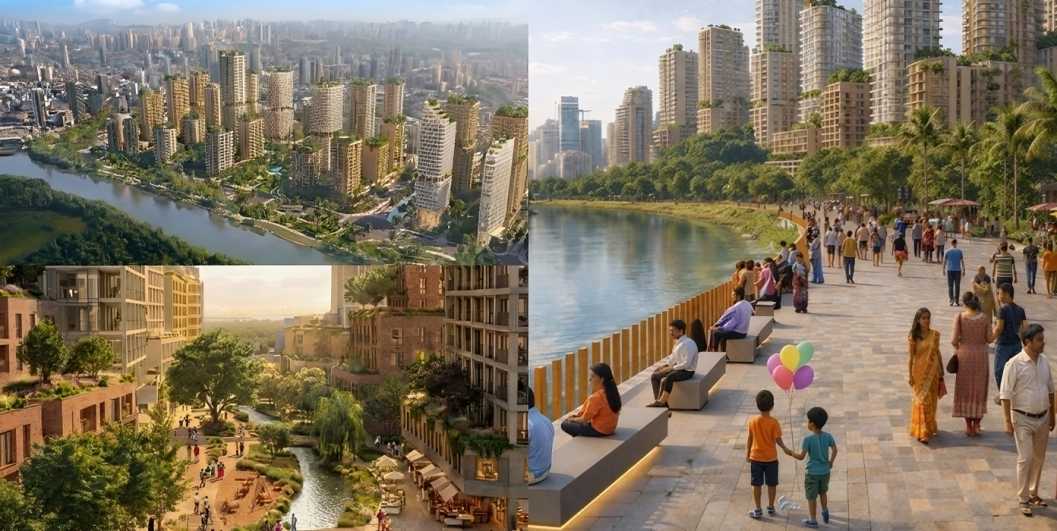

Mumbai’s urban development is increasingly shaped by redevelopment, transport expansion and major infrastructure projects, with the Dharavi redevelopment plan emerging as one of the city’s closely watched initiatives.
Unlike projects on vacant land, Dharavi involves a densely occupied neighbourhood with homes, small businesses, manufacturing activity and an established local economy. Its redevelopment combines rehabilitation, infrastructure creation and land-use planning, making implementation more complex than conventional housing projects.
The Maharashtra government has outlined a broader redevelopment strategy for Mumbai, including cluster-based renewal and infrastructure expansion. Chief Minister Devendra Fadnavis has said the state is targeting a “slum-free” Mumbai within 10 years, alongside investments in Metro, Coastal Road and airport infrastructure. These are government targets and plans, rather than outcomes already achieved.
Dharavi is central to this approach. The redevelopment area spans about 590 acres and involves rehabilitation of a large residential and commercial population while creating new infrastructure. The master-planning team includes architect Hafeez Contractor, US-based design firm Sasaki and UK-based consultancy Buro Happold. Experts from Singapore’s Housing Development Board have also been involved.
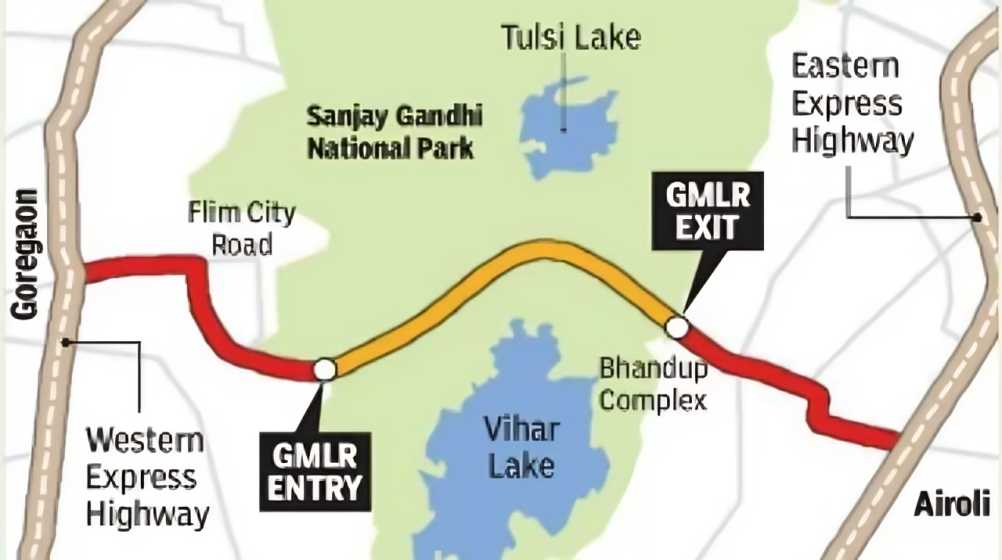
The location makes connectivity another component. Dharavi lies close to Bandra-Kurla Complex and several suburban railway and road corridors, giving the project significance beyond the neighbourhood.
The wider transformation is linked to Mumbai’s expanding metropolitan region. As redevelopment progresses in older neighbourhoods and transport links improve towards Navi Mumbai and emerging centres, residential, commercial and industrial activity could become more distributed.
For Dharavi, the key challenge is coordinating redevelopment with rehabilitation, livelihoods, mobility and economic networks. The outcome will depend on how these elements are managed during implementation.
The project is being watched not only as a housing initiative, but as a test of how a dense and economically active urban settlement can be transformed while accommodating existing communities and businesses.
Source: Maha MTB