
The Brihanmumbai Municipal Corporation (BMC) has spent Rs 573.88 crore, or 92.54%, of the Rs 620.11 crore it received under the 15th Finance Commission’s air-quality grant, with a substantial share directed towards electric buses for BEST.
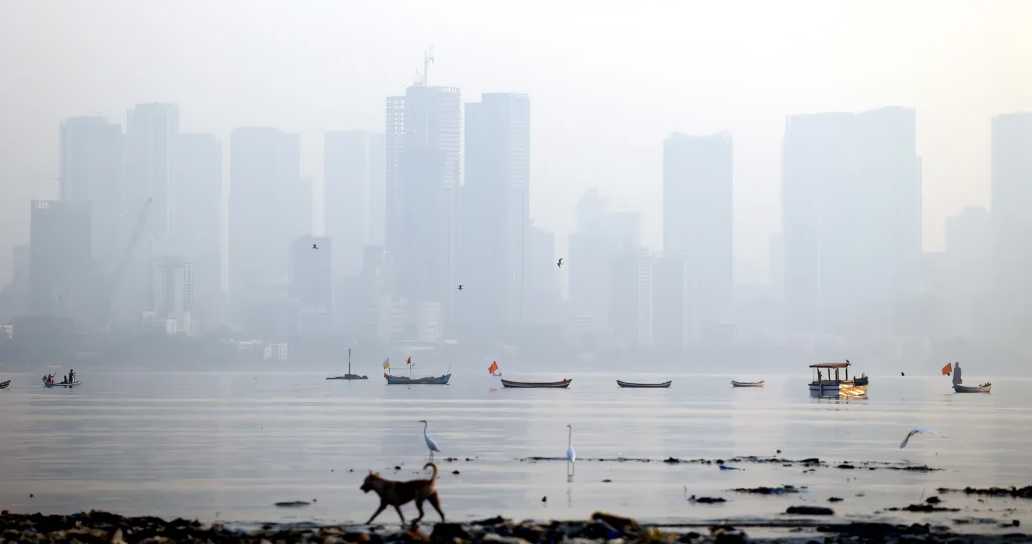
The spending comes even as Mumbai’s position in the 2026 national clean-air survey fell to 28th among 48 major metropolitan cities, compared with 25th in 2025. The city had ranked 28th in 2024 and 10th in 2023.
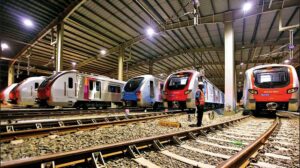
Of the total grant received between 2020-21 and 2022-23, Rs 493.37 crore, or nearly 80%, was allocated to BEST for procuring electric buses through a wet-lease model. However, documents obtained under the Right to Information Act show that the delivery of the ordered fleet has remained incomplete.
BEST’s total fleet has also declined from 3,546 buses in 2021-22 to 2,532 in 2026-27. A 2022 tender for 2,100 electric buses had set August 2023 as the completion deadline, but officials said around half the order is still pending.
A senior bureaucrat in the Union Ministry of Environment, Forest and Climate Change said there was no rule requiring a fixed share of the grant to be spent on EVs.
“There is no such rule that a certain proportion of the funds needs to be used for acquiring EVs only, our ministry had taken multiple follow-ups pertaining to the usage of funds with Maharashtra’s state government, and throughout the course of our communication, we have clearly maintained that if they are unable to acquire the buses, then the funds should be routed for some other work,” the bureaucrat said.
The BMC said its priority was to tackle vehicle emissions amid extensive infrastructure construction.
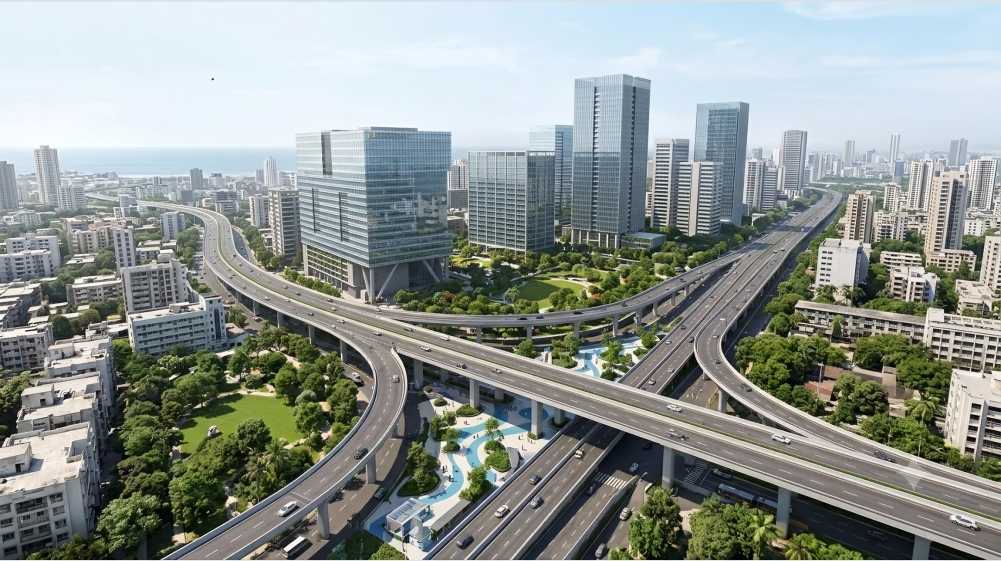
“In the past four years, several infrastructure works have been ongoing such as the Navi Mumbai Airport and Coastal Road. These activities maximised dust displacement, leading to dip in AQI. While the construction work period was a phase, the administration’s priority was to bring down vehicular emission, that’s why resources were deployed to acquire electric buses,” the official said.
Atmospheric scientist Dr Gufran Beig said greater emphasis should have been placed on research and identifying local pollution hotspots.
“To scale up the fleet of electric vehicles, there is already a transport ministry present at the union and state levels. Then why such a substantial proportion of air quality funds are being allocated for E buses procurement. Instead, these funds could have been utilised in terms of identification of local level hotspots and finding out localised solutions to mitigate the growing cause of pollution. More money should have been allocated towards research and design,” he said.
Source: The Indian Express