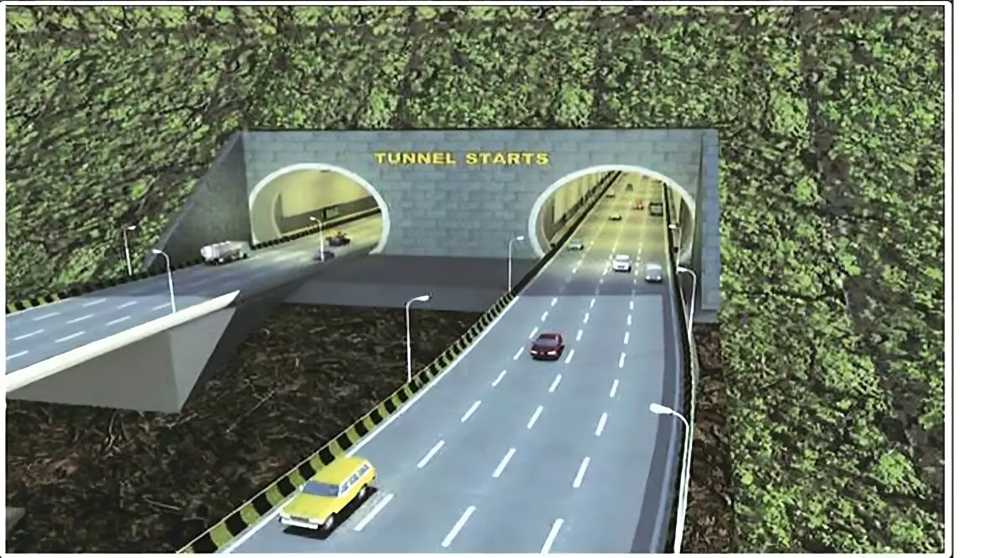

Construction of the proposed Virar-Alibaug Multi-Modal Corridor could commence by March 2027, with the Maharashtra State Road Development Corporation (MSRDC) currently awaiting approval from the Centre for viability gap funding (VGF).
MSRDC Managing Director Dr Anil Kumar Gaikwad said the project is expected to move forward once the funding support is cleared. The corridor will be developed under a Build-Operate-Transfer (BOT) model, with a private concessionaire undertaking construction and operation instead of the MSRDC executing the project directly.
A detailed project assessment, including traffic studies and an independent review by external consultants, determined that approximately 17% of the project cost would be required as VGF to make the project financially viable.
The Centre permits VGF support of up to 20%, prompting the MSRDC to submit a proposal seeking approval for the required funding.
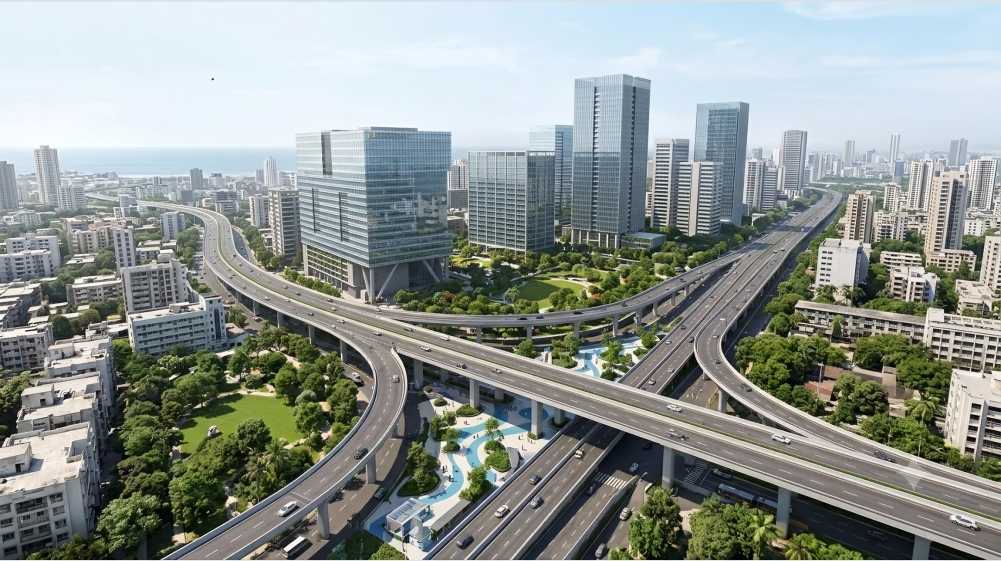
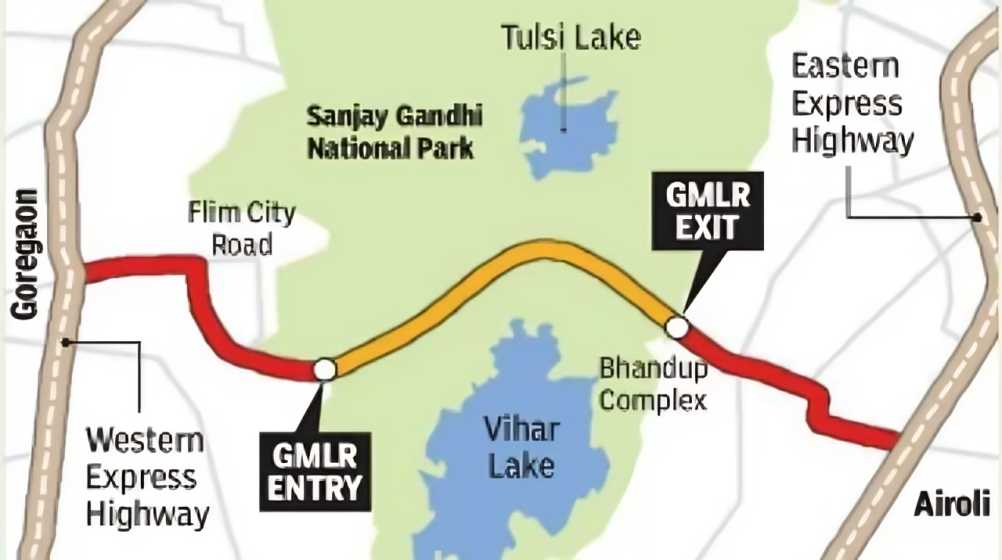
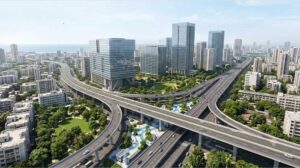
The corridor is planned as a major regional connectivity link connecting the Jawaharlal Nehru Port, Navi Mumbai International Airport and Mumbai Trans Harbour Link (MTHL). According to Gaikwad, the network could contribute to the creation of a broader ring-road system around the Mumbai metropolitan region.
The proposed route is also expected to connect with Atal Setu through the planned Morbe-JNPT Highway spur. Further integration is planned with the proposed Virar Sea Link, Bhayandar-Versova-Worli Sea Link and Mumbai Coastal Road, creating multiple connections between the northern and southern parts of the region.
The project was shifted to the BOT structure after earlier bids received during the tendering process were substantially higher than the estimated project cost.
Officials said more than half of the land required for the corridor has already been acquired, leaving the Centre’s decision on VGF as a key next step before construction can begin.
The land acquisition cost alone is estimated at around Rs 22,000 crore, highlighting the scale of the proposed infrastructure project and its potential role in reshaping regional connectivity across the Mumbai Metropolitan Region and neighbouring areas.
Source: Swarajya