
A series of fatal incidents involving toxic gases and chemical fumes has raised serious concerns over safety and maintenance standards at Mumbai’s public toilets. Six people have died in the past four years after reportedly inhaling hazardous fumes inside or around such facilities, highlighting shortcomings in ventilation, waste management and worker protection.
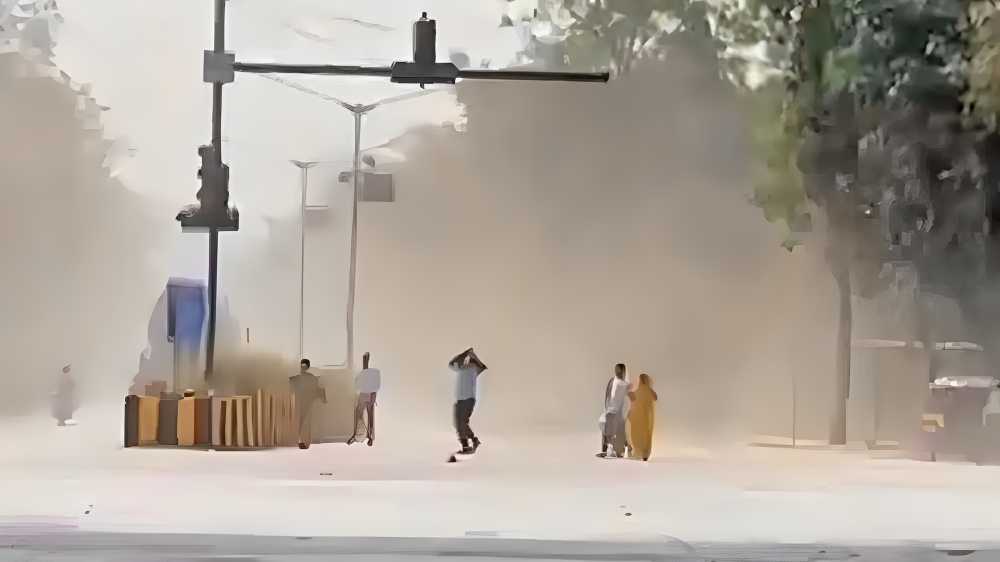
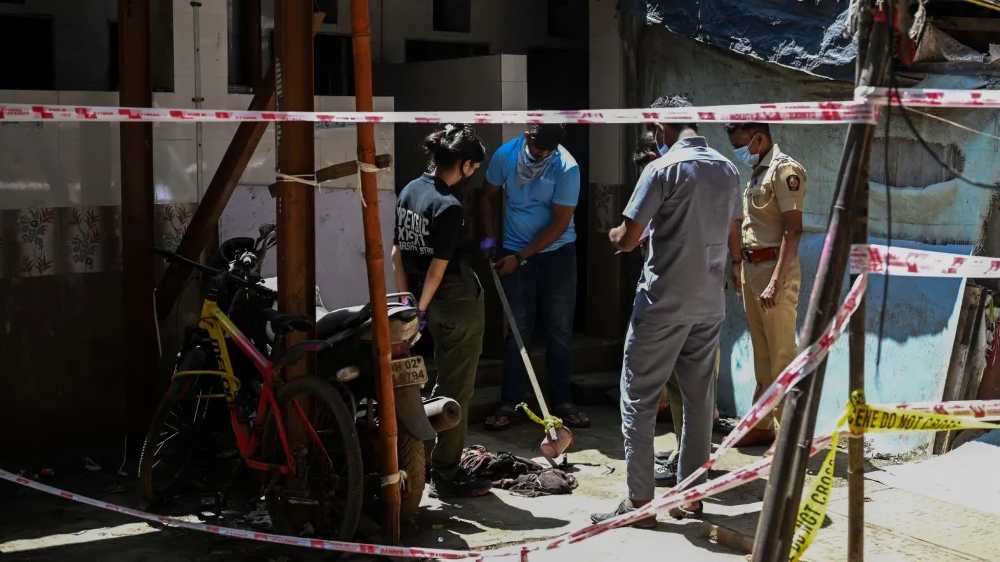
The latest incident occurred in Jogeshwari on Sunday, where two people died after being exposed to chemical fumes inside a public toilet. Preliminary findings from the Brihanmumbai Municipal Corporation (BMC) and Maharashtra Pollution Control Board (MPCB) indicated that the fumes may have originated from chemicals allegedly discharged by a nearby factory.
Earlier incidents have also involved sanitation workers. In March 2022, three labourers died after entering a public toilet in Kandivali to undertake cleaning work. Another three workers died in March 2024 after reportedly inhaling toxic fumes while cleaning a public toilet in Malad.
BMC records indicate that Mumbai has around 846 public toilets, each witnessing an average daily footfall of approximately 10,000 users. Many were originally constructed as community facilities decades ago.
Officials said the risk extends beyond ageing infrastructure. Public toilets can become confined spaces where biological waste decomposes and produces gases such as hydrogen sulphide and methane. Poor ventilation can allow these gases to accumulate while reducing oxygen levels.
“The lack of daily maintenance intensifies the formation of gas particles inside the toilet and makes the atmosphere more toxic,” the official said.
Maintenance responsibilities are generally assigned to community-based organisations or NGOs, while the civic body handles construction. Officials said limited resources and inadequate logistical support can make regular upkeep difficult.
The latest case has also raised concerns about improper industrial waste disposal. An MPCB official said, “According to the state pollution control rules, chemical waste can only be dumped within industrial zones. It is possible that the waste was being dumped almost every day and, due to the recurring dumping of chemical waste, the atmosphere inside the toilet became severely toxic,”
The BMC is now considering a user-fee system for public toilets, with officials arguing that additional revenue could improve maintenance. The proposal is reportedly awaiting final approval.
Source: The Indian Express