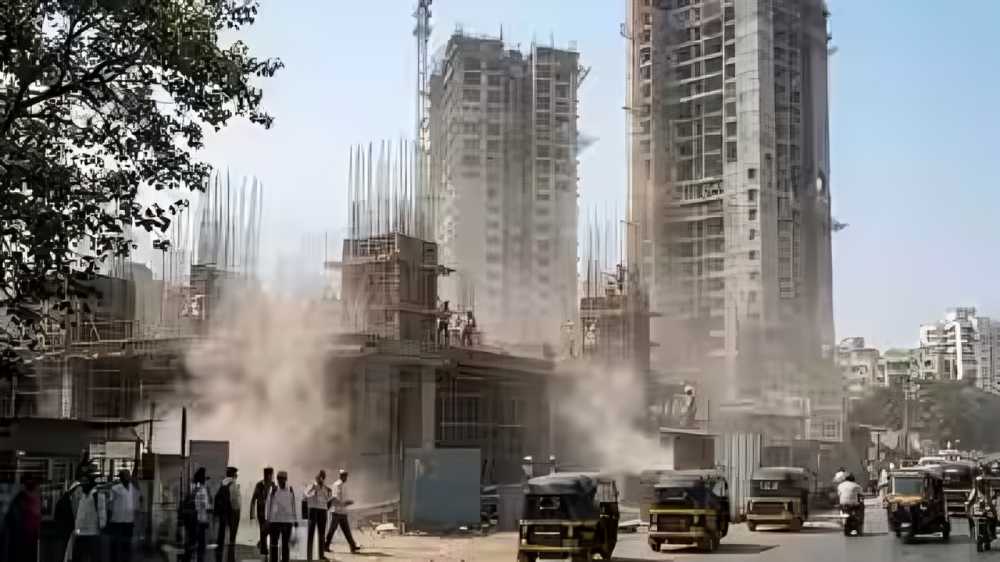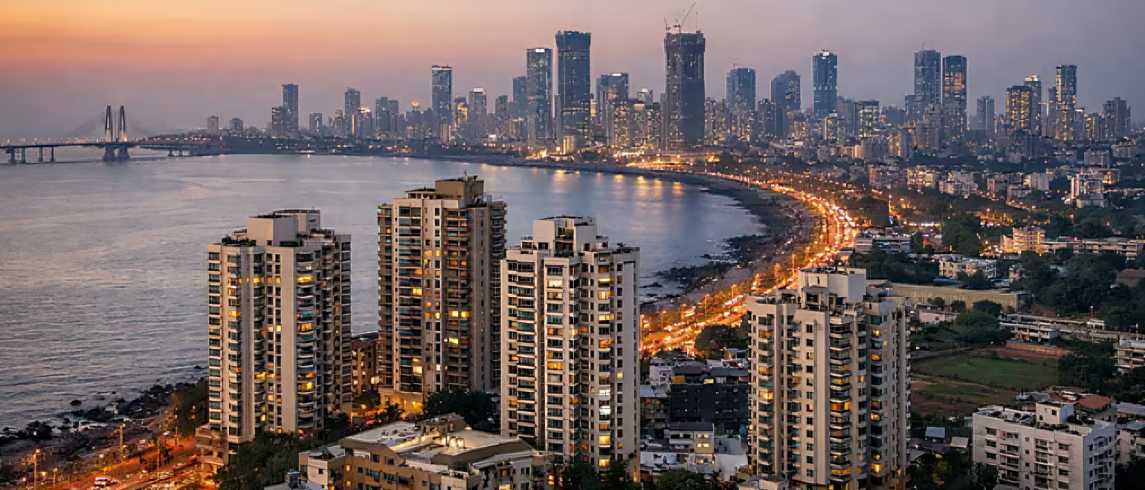

Mumbai’s limited availability of developable land is pushing the real estate industry towards a different growth model: rebuilding properties that already occupy valuable urban land.
Across the city, ageing housing societies, low-rise buildings, older commercial properties and underused plots are increasingly becoming redevelopment opportunities. In prime neighbourhoods such as Juhu, Bandra, Versova, Andheri, Prabhadevi and South Mumbai, acquiring large vacant parcels is difficult, making redevelopment an important source of future housing and commercial supply.
The underlying opportunity lies in the difference between the value of an existing structure and the development potential of the land beneath it. Through redevelopment, older buildings can make way for modern projects while existing residents receive new homes and developers create additional saleable inventory.
This model is particularly significant in Mumbai’s premium markets, where higher property prices can improve the financial viability of redevelopment projects. Developers are increasingly pursuing society redevelopment agreements and joint-development arrangements instead of relying solely on outright land purchases.
As a result, the traditional concept of a developer’s land bank is also evolving. In Mumbai, redevelopment mandates, society relationships, execution capabilities, financial strength and sales networks can be as important as land ownership.
Although redevelopment is considered asset-light compared with land acquisition, it still requires substantial capital. Developers may have to finance transit accommodation, corpus payments, approvals, premiums, construction, guarantees and working capital before receiving significant project revenue.
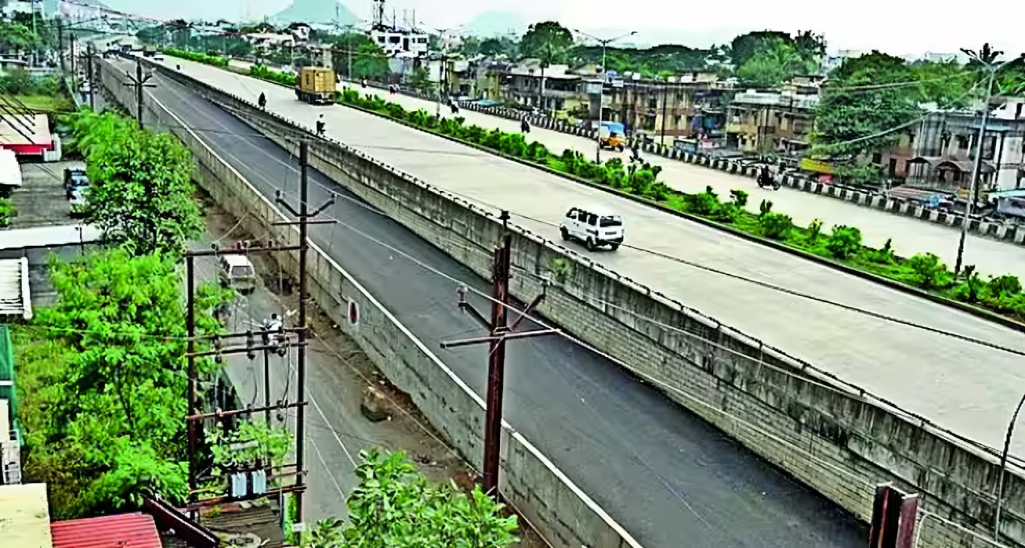
The ageing building stock, combined with new infrastructure such as Metro corridors, improved roads and coastal connectivity, could further expand the redevelopment pipeline. Better accessibility can increase the development potential of properties that previously offered limited commercial viability.
However, redevelopment projects also carry risks, including resident disputes, approval delays, rising construction costs, financing pressures, regulatory changes and slower sales. Delays can significantly increase transit rent, interest and construction expenses.
Mumbai’s redevelopment opportunity is highly fragmented, with projects emerging society by society and building by building. Developers therefore need capabilities spanning negotiations, financing, approvals, construction and community management.
The broader shift suggests that Mumbai’s future land bank may increasingly consist of properties that already have buildings on them. Rather than expanding outward, the city could generate substantial new real estate supply by replacing ageing structures with denser and more modern developments.
Source: Ghar TV
Pic Credit: Realty Plus