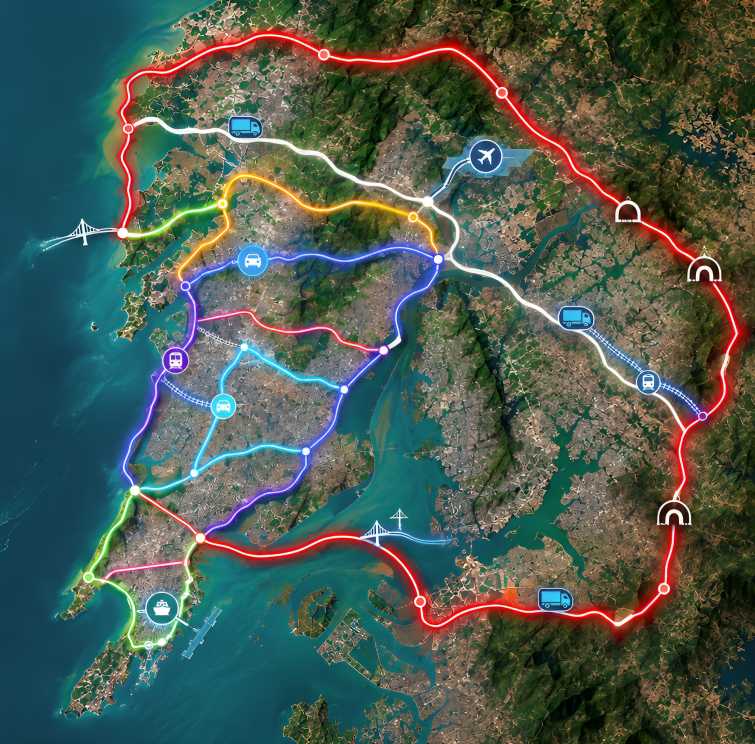

The Mumbai Metropolitan Region Development Authority’s (MMRDA) 10 Ring Roads Masterplan is expected to transform connectivity across the Mumbai Metropolitan Region (MMR) by bringing existing, under-construction and proposed roads, tunnels, sea links and expressways into an integrated network.
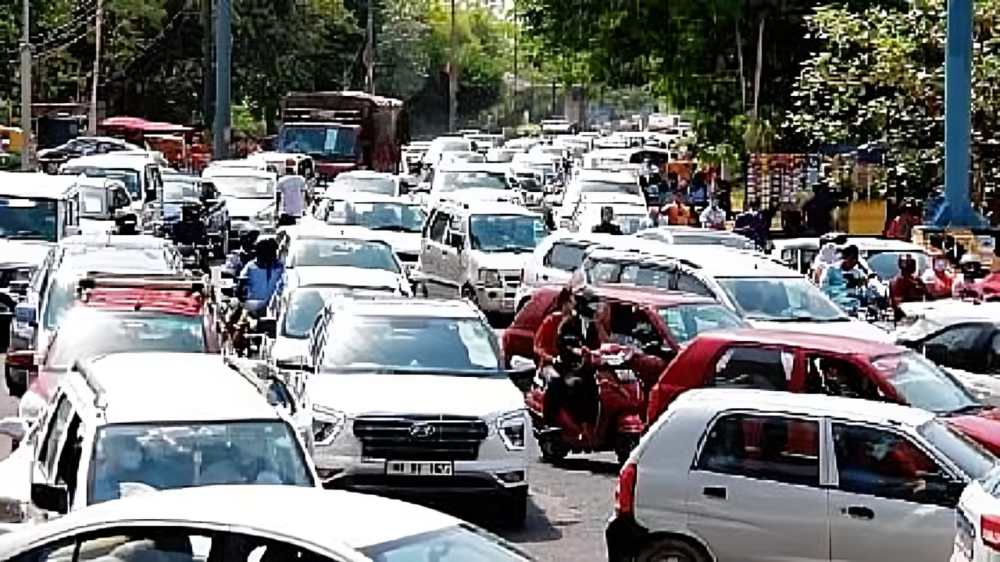
The planned system is aimed at offering both passenger and freight traffic additional travel routes, potentially reducing dependence on the heavily congested north-south corridors that currently carry a significant share of movement across Mumbai.
For the logistics sector, the interconnected network could create shorter and more efficient routes for trucks and commercial vehicles. This may reduce travel delays, waiting periods and the time vehicles spend at congestion-prone stretches, while improving the predictability of freight deliveries.
Industry experts believe smoother traffic flow could also have a direct impact on operating expenses. Reduced stop-and-go movement may lower fuel consumption and vehicle wear, helping logistics companies manage transportation costs more efficiently.
Faster movement of goods could further reduce the amount of time commercial vehicles remain idle at major bottlenecks. Over time, this could contribute to lower logistics costs across the wider MMR and improve the efficiency of regional freight operations.
The masterplan could also improve links between important economic and logistics hubs, including industrial clusters, warehouses, ports, airports and major highways. Better connections between these destinations could allow freight to move more smoothly between different modes of transport and improve access to key distribution centres.
The approach differs from developing individual road projects in isolation. Instead, the 10 Ring Roads Masterplan seeks to establish a coordinated regional mobility framework in which multiple infrastructure projects work together.
The broader objective is not merely to increase road capacity but to create a transportation network that makes movement across the MMR faster, more reliable and less dependent on a limited number of congested routes. Such connectivity could strengthen freight efficiency while supporting passenger mobility and the region’s expanding economic activity.
Source: Logistics Outlook