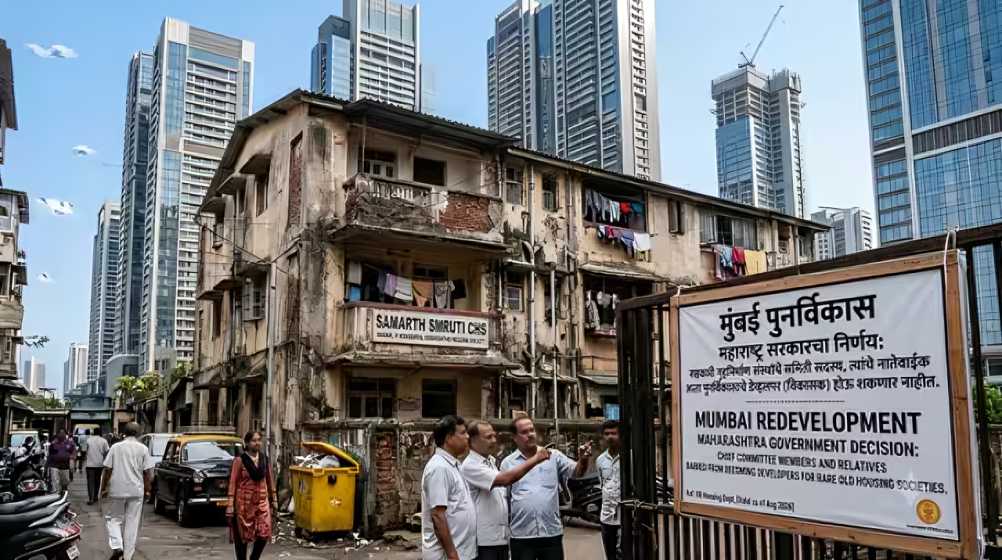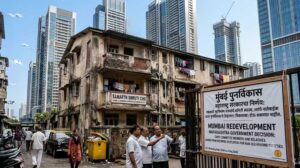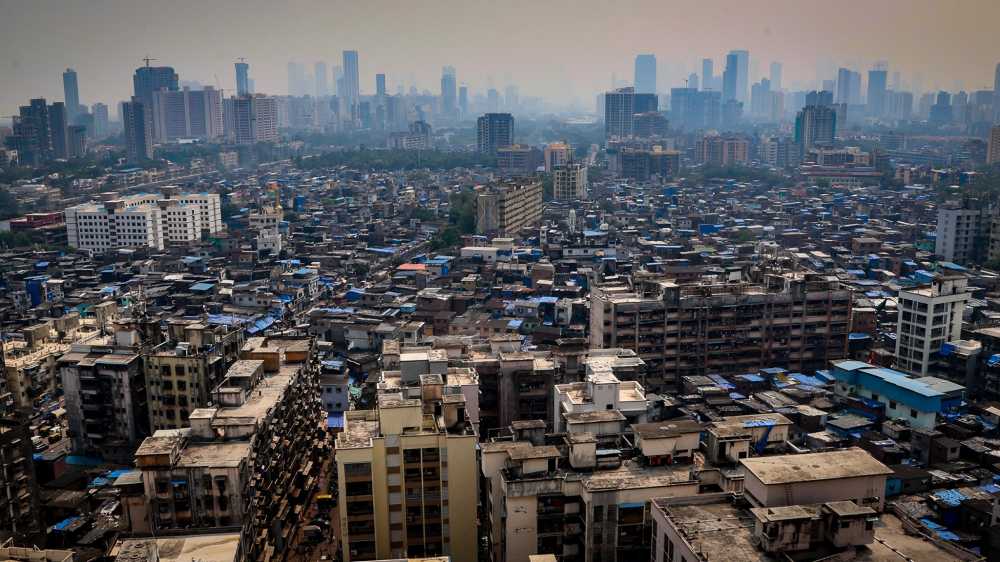

Three decades after Maharashtra introduced the Slum Rehabilitation Act with the goal of creating formal housing for Mumbai’s slum residents, a new study has highlighted significant gaps in the implementation of in-situ rehabilitation.
A working paper by Alishuba Philip, a PhD student of economics at the University of Zurich, examined slum redevelopment projects between 2007 and 2022. The study found that only about one-third of the approved projects in its sample were completed. It also estimated that for every eligible resident who moved into a formal home on the redevelopment site, 9.5 others were displaced to other slum settlements.
The research analysed 254 projects from a larger pool of 592, combining Slum Rehabilitation Authority (SRA) records with voter-roll data and satellite imagery. Philip digitised nearly 8,00,000 pages of electoral data to track residents and verify changes at redevelopment sites.
“I set out to do this paper because we have very little evidence on what happens to residents when slums are redeveloped, both in historical settings in the developed world and in developing countries today,” Philip told The Indian Express over email. “Ideally, such programs should have follow-up surveys that track residents over time regardless of where they live to study how redevelopment affects them, but this is rarely the case.”
The study found that 29% of approved projects had not commenced, while another 37% had begun but remained unfinished. Redevelopment projects took an average of six years to complete, leaving displaced residents dependent on transit accommodation or rent during construction.
Philip noted that eviction generally occurs before construction is completed, creating a gap between displacement and rehabilitation.
“Reducing this lag, through stricter enforcement of construction timelines, interim housing support, or phased demolition and construction, is therefore central to how effective in-situ redevelopment is.”
The SRA acknowledged that several approved projects fail to progress due to rising expectations, resident disputes and unforeseen delays.
“It is true that a lot of slum redevelopment projects don’t take off even after approvals,” the official said.
The study also noted that even residents eventually receiving formal homes may leave because of livelihood disruption, higher maintenance costs or financial distress.
Source: The Indian Express