
The month-long Seva Sankalp Abhiyan, running from September 17 to October 17, aims to showcase India’s development journey and encourage citizens to contribute towards the vision of a developed nation by 2047. The campaign marks Prime Minister Narendra Modi’s 25 years in public service, beginning with his tenure as Gujarat Chief Minister in 2001.
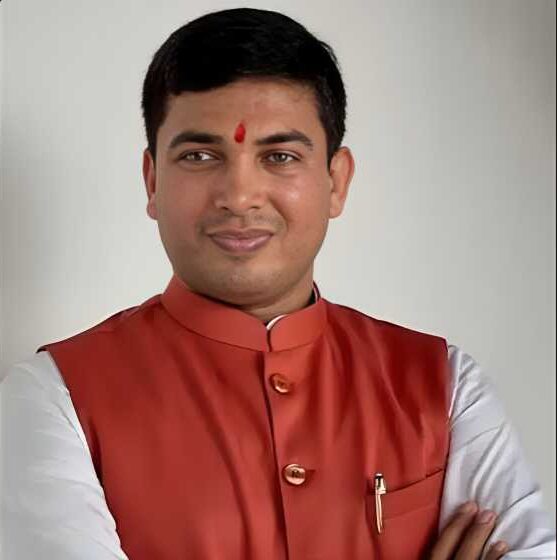
Acharya Pawan Tripathi, treasurer of Shree Siddhivinayak Temple and general secretary of the Mumbai BJP, has highlighted the importance of public participation, welfare initiatives and community engagement in achieving the Viksit Bharat 2047 goal.
The campaign seeks to highlight the experiences of beneficiaries across villages, cities and communities, including women, young people, middle-class families and economically disadvantaged households.
Government programmes such as Jan Dhan Yojana, Pradhan Mantri Ujjwala Yojana, Swachh Bharat Mission and Har Ghar Jal have focused on expanding access to banking, clean cooking fuel, sanitation and drinking water.
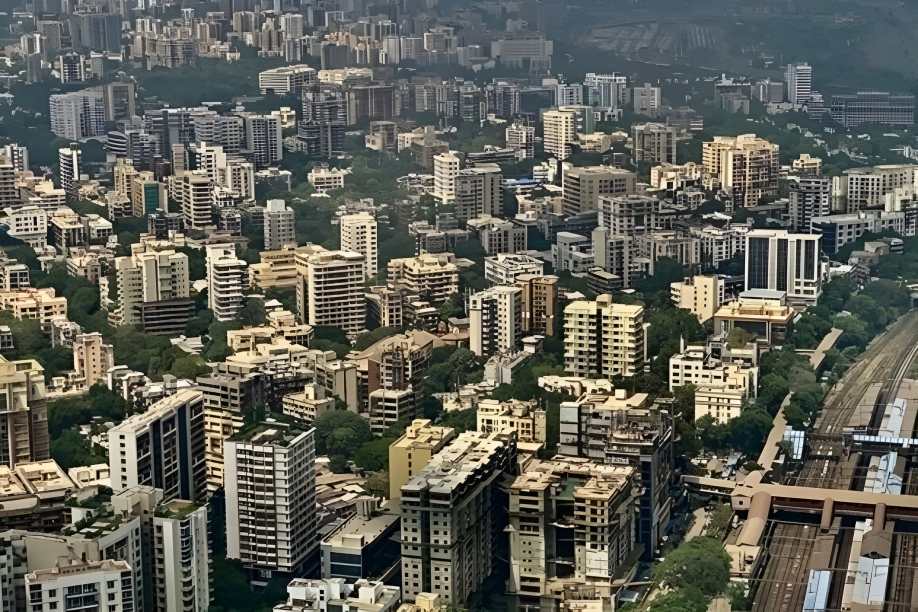
Explaining the broader meaning of development, Tripathi said, “Development is not merely about skyscrapers rising in big cities. It is visible when electricity reaches a poor household, when a woman is freed from the smoke of a traditional cooking stove, when a farmer gains access to banking and digital payments, or when a family receives financial protection for healthcare.”
He added, “Schemes such as the Ayushman Bharat Pradhan Mantri Jan Arogya Yojana, Pradhan Mantri Awas Yojana, PM-KISAN and various social security programmes have worked towards this broader objective,”
Tripathi also pointed to the growth of digital infrastructure, with UPI payments and the integration of Aadhaar, Jan Dhan accounts and mobile connectivity supporting financial access and direct benefit transfers.
He emphasised that rural infrastructure, agricultural facilities, education, healthcare, employment and women’s economic participation remain essential to inclusive growth. Initiatives supporting startups, skills, technology and entrepreneurship are also part of India’s broader development ambitions.
Discussing women’s empowerment, Tripathi said, “Women’s participation is equally important in measuring India’s development. Self-help groups, MUDRA loans, women-led entrepreneurship, maternity support, nutrition and healthcare initiatives have sought to strengthen the economic and social position of women.”
He also stressed the importance of evaluating welfare programmes through people’s experiences, saying, “I believe the true value of any government initiative should be assessed beyond figures and documents. This is why the focus on real beneficiary stories under the âSeva Sankalp Abhiyan’ is important.”
The campaign includes activities focused on community service, environmental conservation, health awareness, digital literacy and youth participation. Tripathi believes development requires cooperation between governments, institutions and citizens.
“I do not see India’s development journey merely as a relationship between the government and its citizens. It is also the journey of a society in which citizens understand their responsibilities and contribute to nation-building.”
As India works towards its 2047 ambition, challenges including unemployment, inequality, agricultural incomes and disparities in healthcare and education remain important considerations.
“The goal of a developed India is not the responsibility of one individual, institution or government. It is a long-term journey that can be achieved only through the participation of millions of Indians,” Tripathi said.
The vision of Viksit Bharat 2047, the article concludes, depends on sustained collective efforts to expand opportunities, improve living standards and ensure development reaches all sections of society.
Source: Mid-day