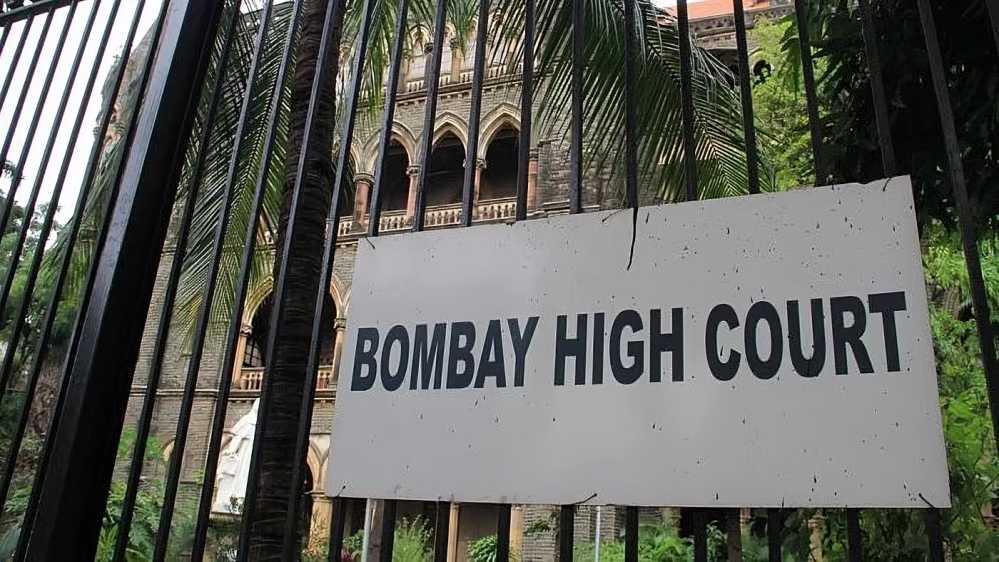

The Bombay High Court has directed the Brihanmumbai Municipal Corporation (BMC) to strictly enforce an existing order requiring neon lights to be switched off by 11 pm, amid growing concerns over artificial illumination and its effects on residents, motorists and wildlife.
A division bench comprising Chief Justice Mahesh Chandra Tripathi and Justice Advait Sethna issued the direction while hearing a petition alleging inadequate action against light pollution caused by high-intensity floodlights and illuminated billboards across Mumbai and Thane. The court has asked the state government to submit its response through an affidavit and scheduled the next hearing for November 20.
The petition was filed by Nilesh Desai, a wildlife and astrophotography enthusiast, who has raised concerns about “light trespass” — artificial illumination spreading beyond its intended area and disturbing neighbouring spaces.
Residents Face Disturbance From Excessive Lighting
Desai has highlighted the use of powerful floodlights at gymkhanas along Marine Drive, alleging that they frequently remain switched on late into the night and interfere with residents’ sleep.
The petition argues that excessive lighting can cause visual discomfort, headaches, migraines and fatigue. It also warns that bright illumination may disturb animal behaviour, disrupt ecosystems and affect natural cycles that plants and wildlife depend on.
“Excessive use of bright high-intensity lights results in disruption and disorientation of natural human and animal behaviour and causes visual discomfort,” the petition states.
It further points out that intense lighting can distract motorists and create road-safety risks. According to the plea, adopting suitable lighting systems could reduce energy consumption by 60–70%, limiting wastage and conserving natural resources.
Call for Dedicated Light Pollution Rules
Desai claims to have submitted more than 100 complaints to police authorities and district collector offices, seeking action against excessive illumination. He argues that, unlike noise and air pollution, light pollution lacks a comparable dedicated regulatory framework.
The petition, filed through advocate Ronita Bhattacharya Bector, seeks rules similar to the Noise Pollution Rules, including permissible lighting limits, operating hours, penalties for violations and a public grievance mechanism.
Desai has proposed switching off high-intensity lights by 10 pm and urged the court to ask state authorities to form a committee of senior officials to examine the issue.
Source: Hindustan Times