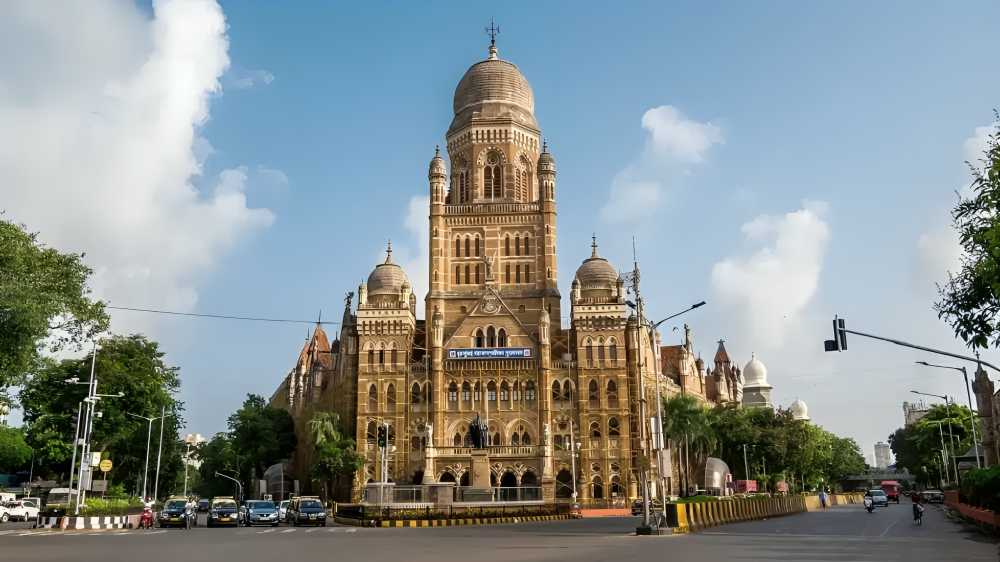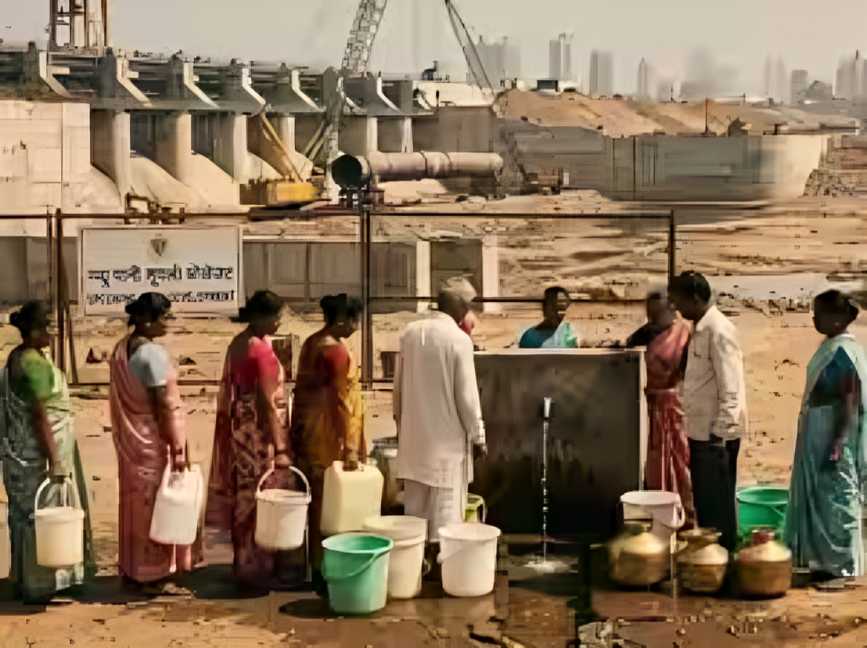

Mumbai is grappling with a daily water shortage exceeding 500 million litres, with the deficit projected to expand sharply over the next 15 years. The city’s water demand could rise by approximately 57% by 2041, reaching 6,424 million litres per day (MLD), according to the Brihanmumbai Municipal Corporation’s (BMC) Environment Status Report 2025–26.
The civic body currently draws around 4,100 MLD from seven lakes and dams, while daily consumption requirements are estimated at 4,600–4,665 MLD. If demand continues to grow without adequate additional supplies, the shortfall could reach 2,324 MLD by 2041.
Unpredictable rainfall has further complicated the situation. Reservoir levels dropped below 10% of their combined capacity in June, prompting stringent conservation measures. Although stocks recovered to approximately 96% by September, the BMC retained its 10% water cut. The Maharashtra government has also directed urban and rural areas to reduce water consumption by at least 10% from October 16, citing drought-like conditions.
Major projects remain crucial to closing the gap
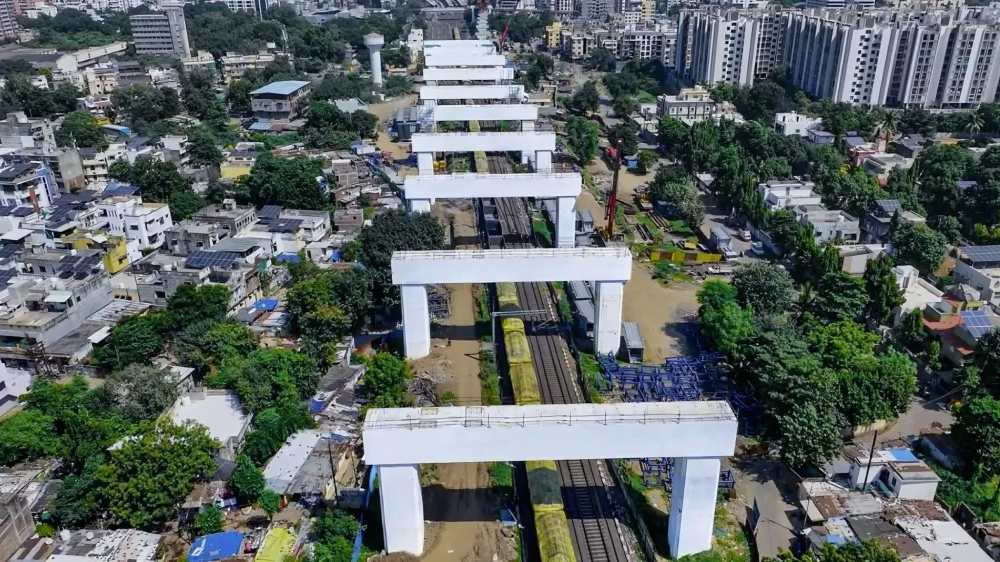
The BMC has identified six potential additional sources that could collectively contribute 3,303 MLD. Three major schemes—Gargai, Pinjal and the Damanganga–Pinjal inter-state link—account for 2,891 MLD of the proposed supply.
The Gargai project, designed to provide 440 MLD, is under construction and targeted for completion by 2029. The Pinjal scheme, expected to deliver 865 MLD, remains in the planning phase, while the 1,586 MLD Damanganga–Pinjal project has yet to progress beyond the proposal stage.
The inter-state scheme involves transferring surplus Damanganga river water through reservoirs at Bhugad and Khargihill to the Pinjal reservoir in the Vaitarna basin before transporting it to Mumbai. Its implementation requires coordination between Gujarat, Maharashtra and the Centre.
Desalination offers limited immediate relief
The BMC has also awarded IDE Technologies the engineering, procurement and construction contract for a seawater reverse-osmosis plant at Manori, in partnership with GVPR Engineers Limited. Its first phase will produce 200 MLD, with infrastructure designed for an eventual capacity of 400 MLD. IDE will operate and maintain the facility for 20 years after commissioning.
However, the initial output would cover only about 4% of Mumbai’s current daily requirement.
During a recent visit to Tansa and Modak Sagar lakes, Mayor Ritu Tawde and other civic representatives reportedly sought updates on accelerating delayed supply projects.
Mumbai’s challenge now lies in securing approvals, coordinating across jurisdictions and completing infrastructure on schedule before the existing supply gap widens further.
Source: Economic Times