
Mumbai’s public sanitation system has evolved over centuries, reflecting changing civic priorities and the continuing challenge of providing affordable facilities. The Brihanmumbai Municipal Corporation (BMC) has proposed introducing a Re 1 charge for previously free urinals and increasing public toilet fees from Rs 2 to Rs 5, reviving the debate over who should bear the cost of maintaining essential public services.
Early sanitation efforts in colonial Bombay
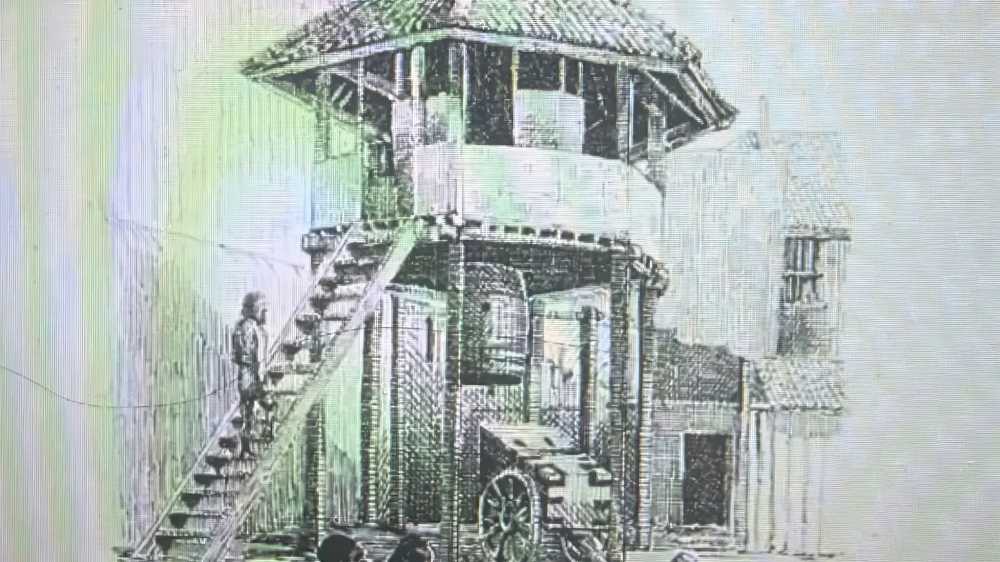
Historical records from 1866 mention 80 public urinals across Bombay. Many were elevated structures accessed by staircases. Waste was transported by train to areas such as Sion and Kurla, where it was combined with ash and vegetable matter before being disposed of in salt marshes.
The plague outbreak of 1896 intensified concerns about overcrowding and unhygienic living conditions. The Bombay City Improvement Trust was established in 1898 to improve sanitation in densely populated neighbourhoods.
In 1913, a proposal by the Bombay Municipal Corporation to construct a public toilet at Thakurdwar in Girgaon faced opposition from property owners concerned about nuisance, property values and its proximity to a temple. Municipal authorities maintained that the facility was necessary because the area attracted large crowds and lacked adequate public conveniences.
Debates over underground facilities
By 1921, civic discussions had turned towards underground public toilets modelled on London’s facilities. Supporters considered them more suitable for a modern city, including a proposed underground convenience at Victoria Square, now Bhatia Bagh near Fort, ahead of the Prince of Wales’s anticipated visit in 1922. However, concerns over spending in affluent areas while poorer neighbourhoods lacked basic sanitation contributed to the proposal being abandoned.
Community-led sanitation after Independence
Following Independence, public toilets became increasingly important in informal settlements where limited space made individual household facilities difficult to build. In 1993, women pavement dwellers associated with Mahila Milan, alongside the National Slum Dwellers Federation and SPARC, constructed a community toilet block on P D’Mello Road.
The approach expanded under the Mumbai Slum Sanitation Programme, implemented from 1996 to 2005 with World Bank support. A 2006 report recorded 330 community toilet blocks with over 5,100 seats, benefiting an estimated 400,000 slum residents.
Maintaining facilities today
Mumbai currently has 846 public pay-and-use toilet complexes managed by private agencies and NGOs, alongside around 8,173 community toilet complexes, including 3,110 managed by the BMC. Civic officials cite expenses for cleaning, repairs, utilities and caretakers as reasons for the proposed fee revisions.
Source: The Indian Express