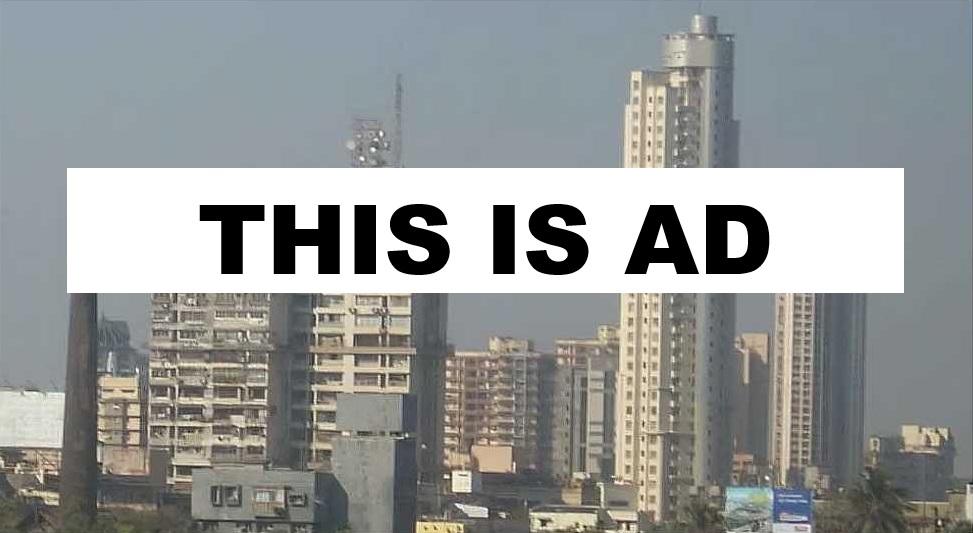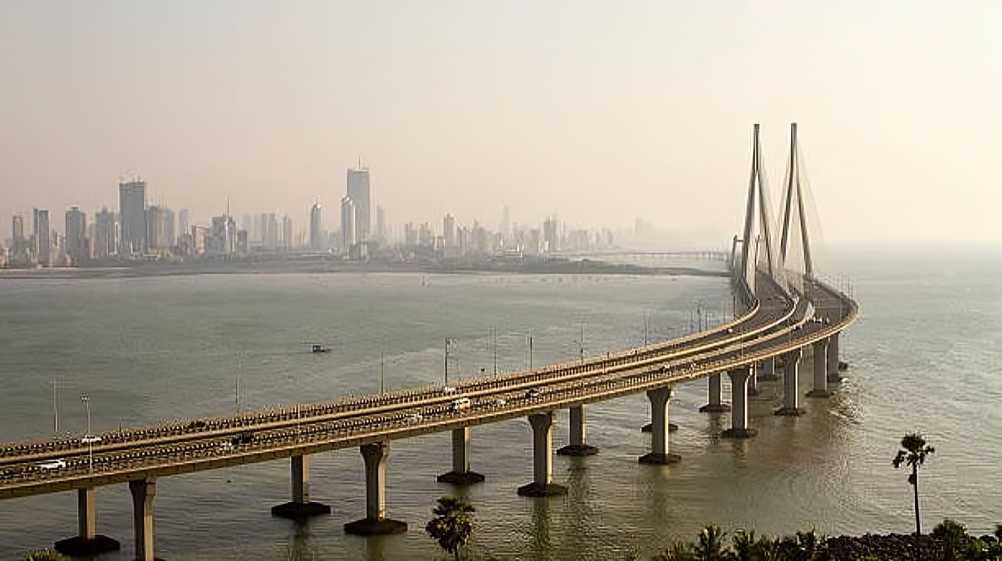

Mumbai and the wider Mumbai Metropolitan Region (MMR) are facing mounting ecological and social challenges due to rapid urbanisation, high-rise redevelopment and relaxed Floor Space Index (FSI) norms, experts warned at a recent seminar. The region extends across parts of Thane, Palghar and Raigad districts.
The seminar, titled “Towering Crisis: The City We Are Rebuilding”, was organised by NatConnect Foundation on Thursday evening. Speakers called for a reassessment of the prevailing development model, cautioning that growing pressure on infrastructure, water resources and open spaces could cause lasting environmental damage.
The panel included Debi Goenka of Conservation Action Trust, Sanctuary Nature Foundation founder Bittu Sahgal, Prerna Yadav of the Urban Design Research Institute, Mission Green Mumbai founder Subhajit Mukherjee and Vanashakti founder Stalin D. NatConnect Foundation Director B N Kumar moderated the discussion.
Goenka argued that urban development was overlooking Mumbai’s ecological limits while disproportionately benefiting influential builders and politicians.
“What we are seeing is not development but ‘devilopment’. A handful of builders and politicians are getting benefited out of it. The base FSI has been increased from 1 to 4. There is something called the carrying capacity. The development that Mumbai is witnessing is not scientific,” he said.
Stalin cautioned that new urban centres were increasingly experiencing the congestion they were intended to alleviate. Navi Mumbai, initially planned to ease pressure on Mumbai, has also become congested. He warned that proposed Third Mumbai near Navi Mumbai International Airport in Raigad and plans for a Fourth Mumbai in Palghar could extend urban sprawl.
Water security was another major concern. Mukherjee highlighted uncertain rainfall, the 2026 rainfall deficit and the possibility of continuing El Niño conditions, stressing the need to expand wastewater reuse. “The next 24 months are going to be tough,” he said.
Sahgal said urbanisation was affecting public well-being alongside infrastructure and ecosystems.
“City is an act of faith. Look what is happening to our anger levels, happiness levels. The worst is that our aquifers are getting polluted and no one seems to bother about this,” he said.
He also noted that climate change was producing “too much rain, too little rain or unpredictable rains”.
Yadav urged citizens to understand planning frameworks, including the Development Plan, Development Control and Promotion Regulations, and Comprehensive Accessibility Plan. She also highlighted inadequate coordination among stakeholders involved in Mumbai’s civic planning.
Source: Deccan Herald