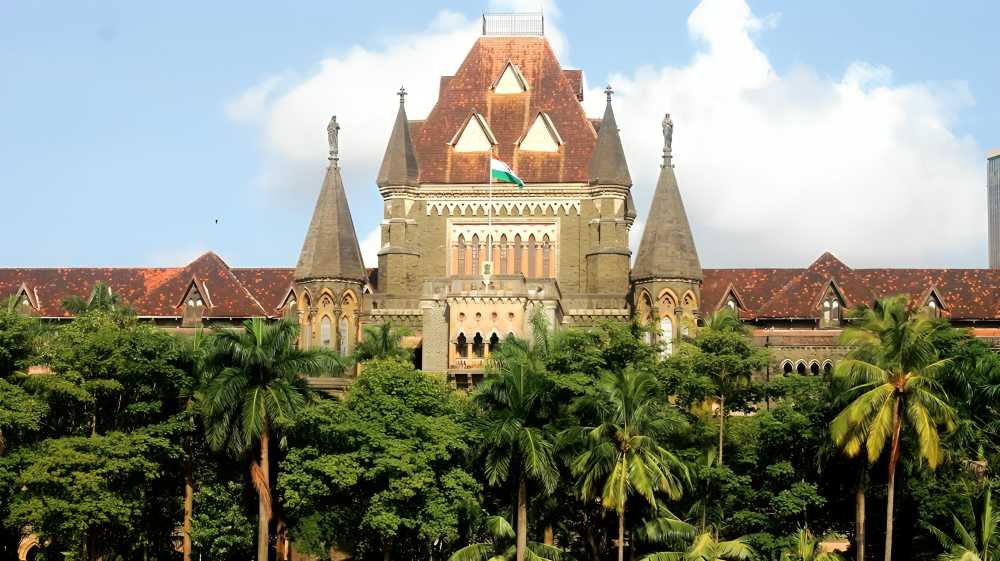

The Bombay High Court has permitted Maruthi Co-operative Housing Society in Chembur to terminate its redevelopment agreement with the Tridhaatu Group and seek a new developer after years of stalled construction and unpaid transit rent. The court observed that a developer’s commercial interests cannot outweigh the rights of residents who have remained displaced for more than a decade.
Justice Arun Pedneker highlighted the hardship faced by elderly society members, noting that the project had made no meaningful progress for years and that rent arrears had crossed Rs 7.35 crore.
Redevelopment Project Stalled After Residents Vacated Homes
The dispute dates back to July 2013, when the society signed a development agreement with the builder to redevelop its residential building, “Shobha”. In mid-2014, all 22 families vacated their homes, expecting to receive alternative accommodation in a modern building within 24 months.
However, the project failed to meet its January 2018 completion deadline. According to court records, the developer constructed only the building’s skeletal external structure, reaching the 10th floor despite having permission for eight floors. Work was subsequently abandoned.
The residents’ difficulties worsened when transit rent payments stopped. By April 2026, outstanding dues had exceeded ₹7.35 crore, forcing families to bear the cost of alternative accommodation themselves.
Court Cites Prolonged Inaction and Residents’ Hardship
The court noted the extended delay and the society’s loss of confidence in the developer. Justice Pedneker remarked: “The Developer has failed to make any meaningful progress on the Project for the past eight years beyond the contractually stipulated date of completion… In these circumstances, the Society has evidently lost faith in the Developer’s ability to complete the Project in accordance with its contractual obligations.”
With many residents being senior citizens, the society issued a show-cause notice to the developer in March 2026 before terminating the agreement. The developer did not appear in court, following which the matter proceeded ex parte. The bench appointed an Amicus Curiae to assist it in the proceedings.
Interim Protection Clears Way for New Developer
The High Court upheld the termination and granted interim protection to the society. It observed that retaining the stalled agreement could leave residents caught in prolonged legal uncertainty, particularly because pending statutory dues posed a risk of attachment of the society’s land.
The court also cautioned against the possibility of third-party interests being created in the property, stating: “If urgent interim measures are not made, the Respondent-Developer is likely to create third-party rights in respect of the project. This is yet another reason why interim measures are required to be made to preserve the subject matter of arbitration.”
The ruling allows the society to invite fresh redevelopment proposals, address the abandoned structure and appoint a new developer, offering residents a route towards resolving a dispute that has persisted for more than a decade.
Source: The Free Press Journal