
Mumbai’s traffic woes could see a new solution as the Mumbai Metropolitan Region Development Authority (MMRDA) prepares a Detailed Project Report (DPR) for a proposed 70-km underground road network, informally called ‘Paatal Lok’. The project aims to improve connectivity across Mumbai and the wider Mumbai Metropolitan Region (MMR) while reducing pressure on overcrowded roads.
The proposed network would create alternative routes for motorists travelling between key locations, strengthening east-west and north-south connectivity. It is also envisioned as an additional transport option alongside existing and upcoming metro lines, coastal roads and highways.
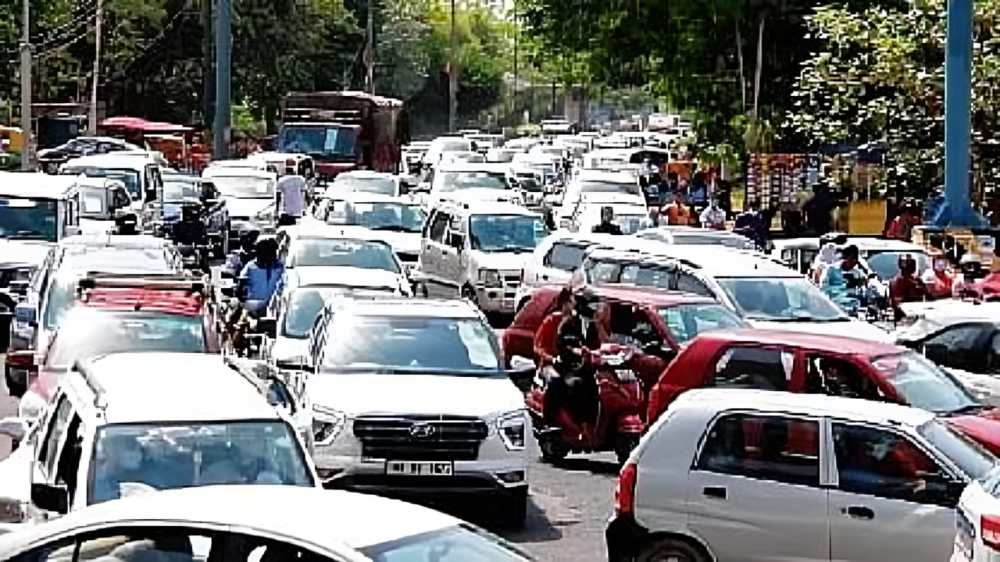
Nearly 60% of Mumbai’s traffic currently relies on the Western Express Highway (WEH), while peak-hour speeds on some major routes reportedly fall to 15–20 kmph. The underground corridors are intended to help redistribute traffic and allow longer-distance vehicles to bypass congested stretches.
MMRDA Commissioner Dr Sanjay Mukherjee outlined the concept at the Mumbai Podium 2026 event. The broader objective is to separate through-traffic from local movement and develop an integrated transport network across multiple levels. However, the project’s final design, implementation schedule and execution plans will depend on the DPR and the necessary approvals.
The authority’s 2026–27 budget has allocated ₹5,543.51 crore for major tunnel-related infrastructure projects. These include ₹3,029.51 crore for the Thane-Borivali twin tunnel, which is expected to provide a more direct connection between the eastern and western suburbs.
Another ₹1,250 crore has been earmarked for the Orange Gate-Marine Drive tunnel, currently under construction, to improve travel between eastern South Mumbai and the Marine Drive area.
The proposed Mumbai Integrated Tunnel Road Network has received an allocation of ₹1,189 crore, while ₹75 crore has been set aside for the proposed Gaimukh-Fountain Hotel tunnel. The Mulund-Goregaon corridor is also envisioned as an important east-west link.
The initiative forms part of Maharashtra’s broader infrastructure push to increase road capacity without relying solely on widening existing streets. Chief Minister Devendra Fadnavis has also expressed the ambition of making Mumbai traffic-free within three years through infrastructure development and better integration of transport projects.
Whether ‘Paatal Lok’ delivers these benefits will depend on planning, approvals and timely execution.
Source: The Free Press Journal