
Mumbai’s redevelopment market continues to expand, raising questions about whether residential buildings must be at least 30 years old before they can be reconstructed. While the Brihanmumbai Municipal Corporation (BMC) requires structural audits for buildings older than 30 years, experts clarify that this does not establish a minimum age for redevelopment.
Eligibility depends on the applicable regulations, structural condition and project-specific requirements. Developers say buildings aged 20–25 years may also qualify under certain circumstances, although experts caution against redevelopment driven purely by financial incentives.
What Determines Redevelopment Eligibility?
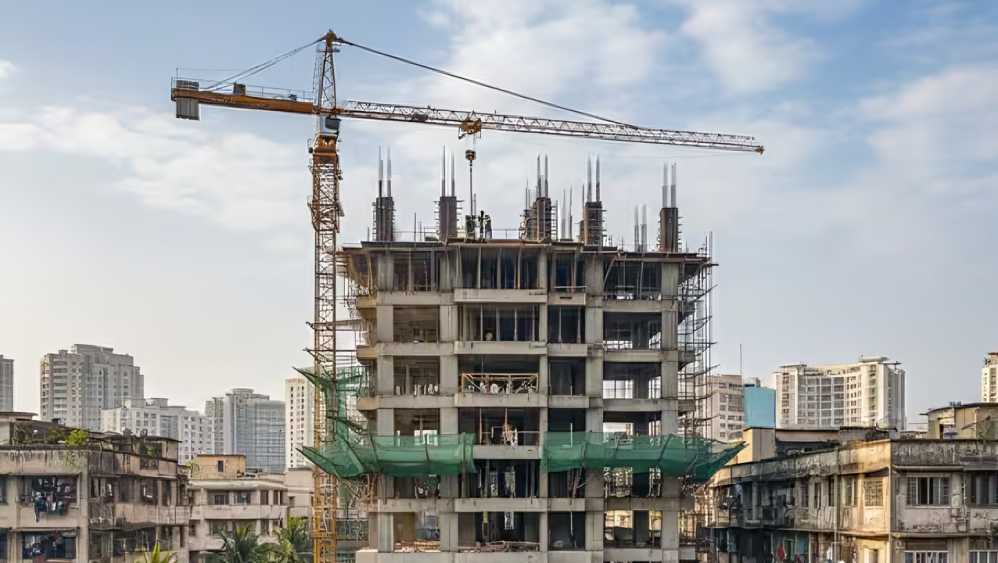
Redevelopment involves demolishing an existing structure and constructing a new building, often using permissible Floor Space Index (FSI). Housing societies typically receive replacement homes, sometimes with additional carpet area, while developers sell the remaining permitted apartments. Agreements may also include corpus payments and temporary rent for residents.
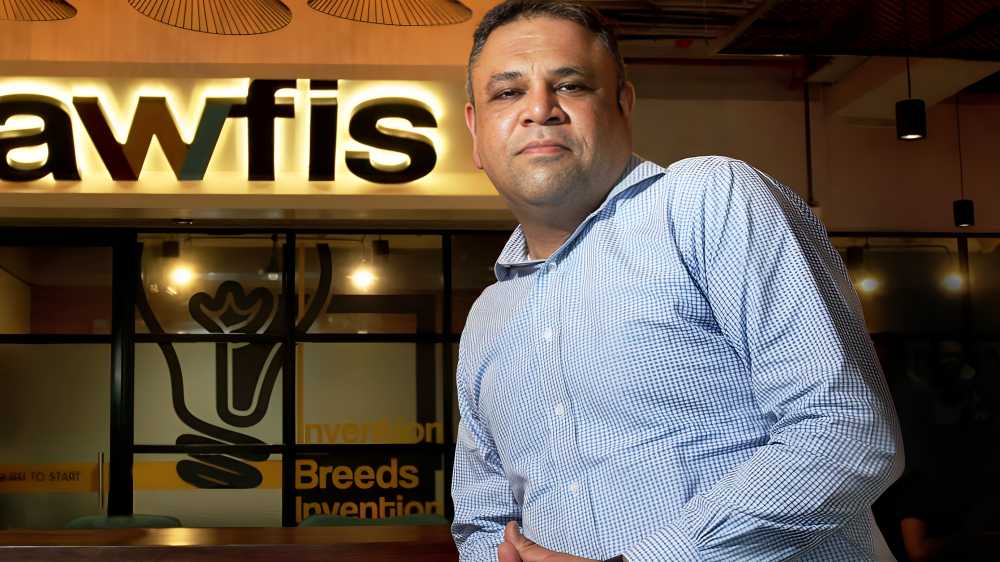
“Redevelopment in Mumbai is not restricted to buildings that have completed 30 years. Buildings that are 20 or 25 years old may also be considered for redevelopment, depending on their structural condition, stability and applicable regulations. The 30-year threshold for structural audits should not be confused with a mandatory minimum age for redevelopment,” said Anuj Mehta, Director of Dhuleva Group.
He added that newer buildings could be included in cluster redevelopment projects if the overall development meets eligibility requirements. Structural instability may also justify redevelopment, subject to technical assessments and approvals.
Experts Warn Against Misusing Incentives
Architect Vilas Nagalkar, a member of the Practising Engineers, Architects and Town Planners Association (PEATA), said buildings over 30 years old may receive additional FSI benefits and concessions on certain premiums, improving redevelopment viability.
“Residential buildings of more than 30 years of age undergoing redevelopment get FSI incentive like 10 sq m or 100 sq ft FSI without any cost, so that they can add a room, 25% concession in some premium, etc. In general, residential buildings are constructed using national resources and designed for a 60-year lifespan. Over the years, rain and sun exposure cause wear and tear, which affects the building. Owing to this, some of the severely affected buildings need to be redeveloped sooner,” Nagalkar said.
“However, just for the greed of incentives due to redevelopment, buildings aged 20 to 25 years should be discouraged from redevelopment to ensure there is no wastage of natural resources,” he added.
Redevelopment Activity Expands
A September 2026 report by JLL India and NAREDCO recorded over 1,000 redevelopment projects launched since 2020, representing approximately 13% of Mumbai’s residential supply and 15% of housing sales. Knight Frank India reported 1,094 redevelopment agreements signed between January 2020 and March 15, 2026, covering 432 acres and potentially delivering around 59,000 homes.
Source: Hindustan Times