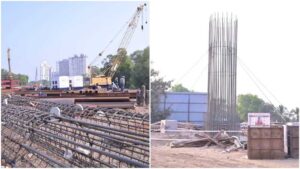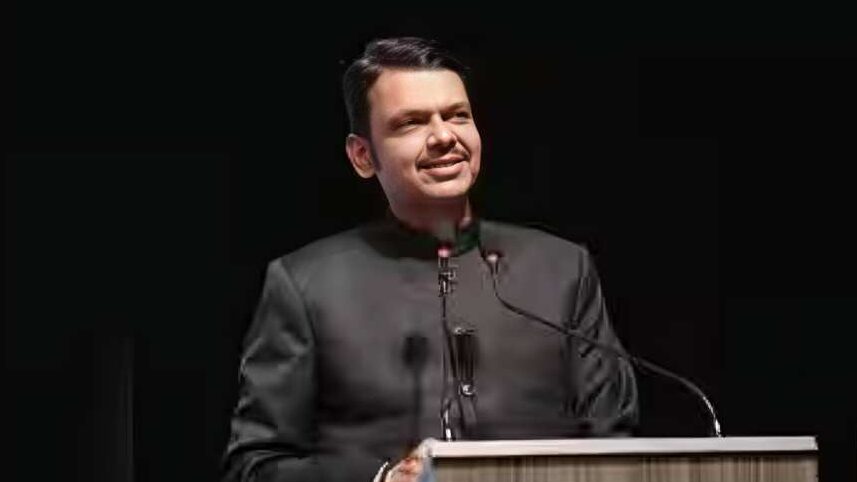

Dharavi is expected to emerge as one of Mumbai’s prominent business districts within the next 10 years following its planned redevelopment, Maharashtra Chief Minister Devendra Fadnavis said on Wednesday. He said the transformation would create new economic opportunities while improving housing and living conditions for residents.
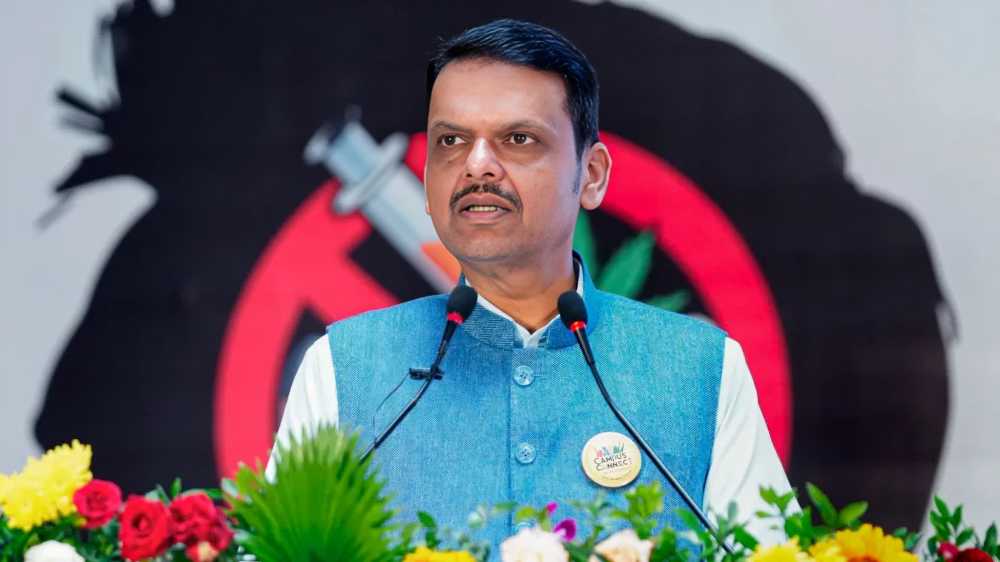
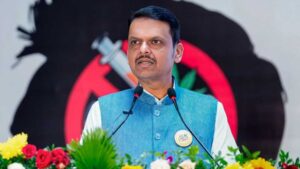
Speaking at the third World Mayors’ Forum in Mumbai, organised as part of the centenary celebrations of the All India Institute of Local Self-Government, Fadnavis said Dharavi would eventually develop into another significant commercial centre alongside the Bandra-Kurla Complex (BKC).
“Dharavi’s transformation is set to bring better homes, improved facilities and new opportunities for its residents, while paving the way for it to emerge as Mumbai’s next major business district,” he said. Union Minister Tokhan Sahu, Mumbai Mayor Ritu Tawde and mayors from several Indian cities attended the event.
Discussing India’s urban development journey, Fadnavis said urbanisation was previously viewed as a challenge, resulting in attempts to restrict its growth. However, unplanned expansion led to overcrowded settlements, inadequate civic infrastructure, water shortages and difficulties in waste management.
“After 2014, PM Narendra Modi took the position of looking at urbanisation as an opportunity for development. This gave a new direction to urban administration and infrastructure in the country,” he said.
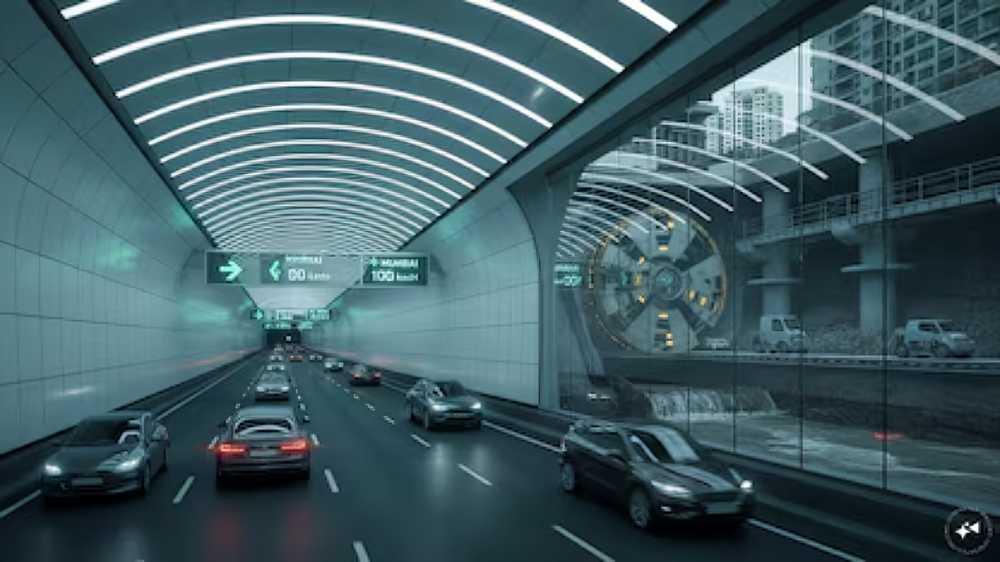
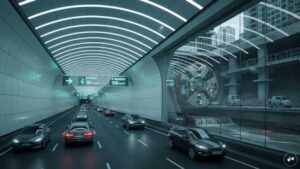
The Chief Minister said Maharashtra was pursuing a two-pronged urban development strategy involving the modernisation of existing cities and the creation of new urban centres. The Mumbai Metropolitan Region has attracted investments of approximately $50 billion in recent years, with projects covering metro rail, roads, flyovers, tunnels, water supply and waste management.
“Sustainability, an efficient transport system and livable cities are the three important pillars of urban development,” he said.
Fadnavis also highlighted the proposed Mumbai 3.0 development near Navi Mumbai International Airport, featuring education, sports, healthcare, innovation and global capability centre hubs. Mumbai 4.0 is planned along the Virar-Vadhavan corridor, with bullet train and expressway connectivity.
The state aims to attract USD 100 billion in infrastructure investments over the next five years. Fadnavis also cited Atal Setu’s role in reducing travel time between Mumbai and Navi Mumbai, adding that the airport journey would take around 30 minutes next year, compared with approximately 40 minutes currently.
Source: Times of India