
Topline insights
- Mumbai’s residential transaction value grew 3.6% in CY25 even as the number of homes sold declined 5.3% year-on-year.
- Luxury homes accounted for 9% of sales by volume in 9M CY26 but contributed 40.4% of the total transaction value.
- The Rs 1–5 crore segment increased its share of Mumbai’s residential sales from 53.8% in CY21 to 59.7% in 9M CY26.
- Across Tier 1 cities, transactions below Rs 50 lakh declined 30% between CY21 and CY25, highlighting growing pressure on entry-level housing.
Mumbai’s housing market is witnessing a shift in the nature of demand. Buyers are increasingly moving towards higher-value homes, changing the composition of residential sales. The question is whether the market is expanding through higher transaction volumes or becoming more valuable as the preference for premium housing grows.
The numbers point towards the latter. Mumbai recorded 47,349 residential units worth Rs 1,09,272 crore in CY25, compared with 49,999 units worth Rs 1,05,463 crore in CY24. While unit sales declined 5.3%, transaction value increased 3.6%. The average ticket size rose from Rs 2.11 crore to Rs 2.31 crore. In 9M CY26, it increased further to Rs 2.40 crore.The changing price mix explains this trend. Homes below Rs 1 crore accounted for 31.3% of sales in 9M CY26, down from 40.2% in CY21. Meanwhile, the Rs 1–5 crore segment grew from 53.8% to 59.7%, and homes above Rs 5 crore increased their share from 6% to 9%. Luxury housing’s contribution to transaction value also rose from 31.1% to 40.4%.
A closer look at average ticket size reveals that around 81% of its Rs 0.45 crore increase between CY21 and CY25 came from a higher share of transactions in expensive price brackets. Only 19% came from higher ticket sizes within individual brackets. This suggests that the rise is driven largely by a change in the mix of homes being purchased, rather than uniform price appreciation.
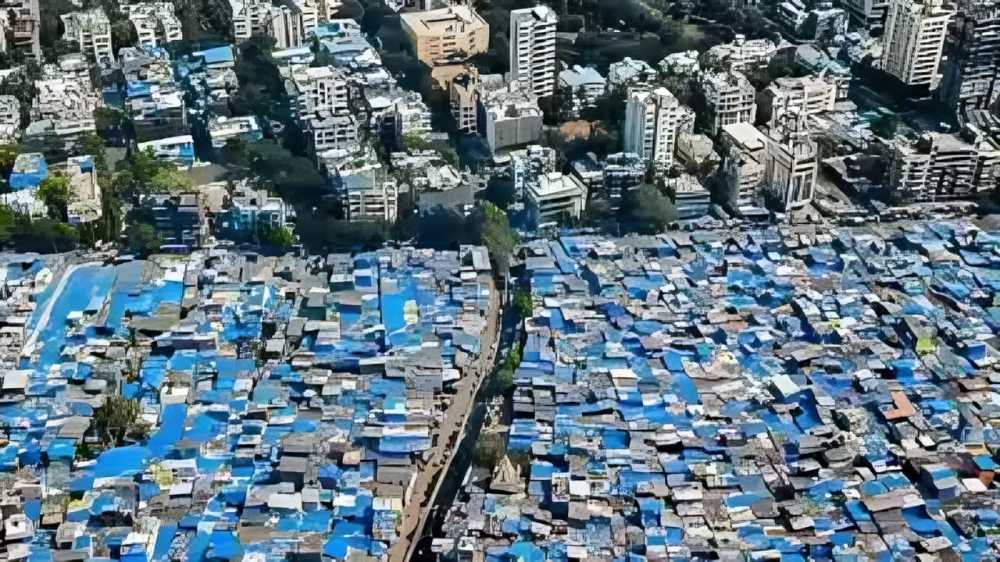
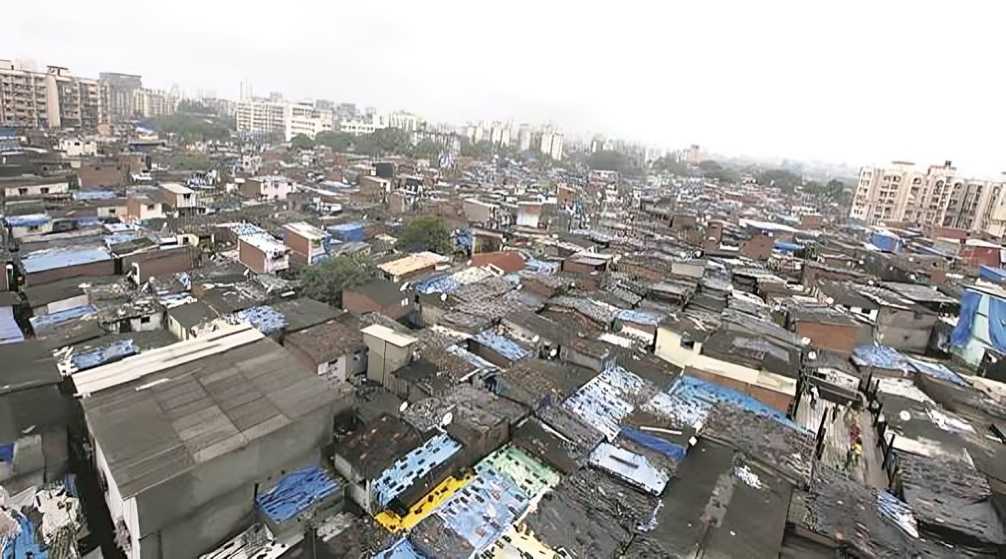
However, the shift raises questions about affordability. Across Tier 1 cities, transactions below Rs 50 lakh declined 30% between CY21 and CY25. The Rs 50 lakh– Rs 1 crore segment grew 12% over the same period but remained 19.5% below its CY23 peak. In contrast, the Rs 1–2 crore and Rs 2–5 crore segments grew 116% and 297%, respectively.
Geographically, premium housing demand remains concentrated in markets such as Mumbai, NCR and Hyderabad. More affordable housing activity is spread across locations including Thane, Raigad, Palghar, Pune and Ahmedabad–Gandhinagar, highlighting the growing importance of peripheral and emerging markets.
Mumbai’s dependence on redevelopment, rising construction costs and limited land availability continue to shape new supply and pricing. Infrastructure projects such as the Metro network, Coastal Road and Mumbai Trans Harbour Link are also improving connectivity across the Mumbai Metropolitan Region, bringing emerging residential locations closer to employment hubs.
Buyer expectations are changing too. Space, privacy, security, amenities and flexible layouts are increasingly influencing purchase decisions, with larger homes offering greater flexibility for multigenerational living.
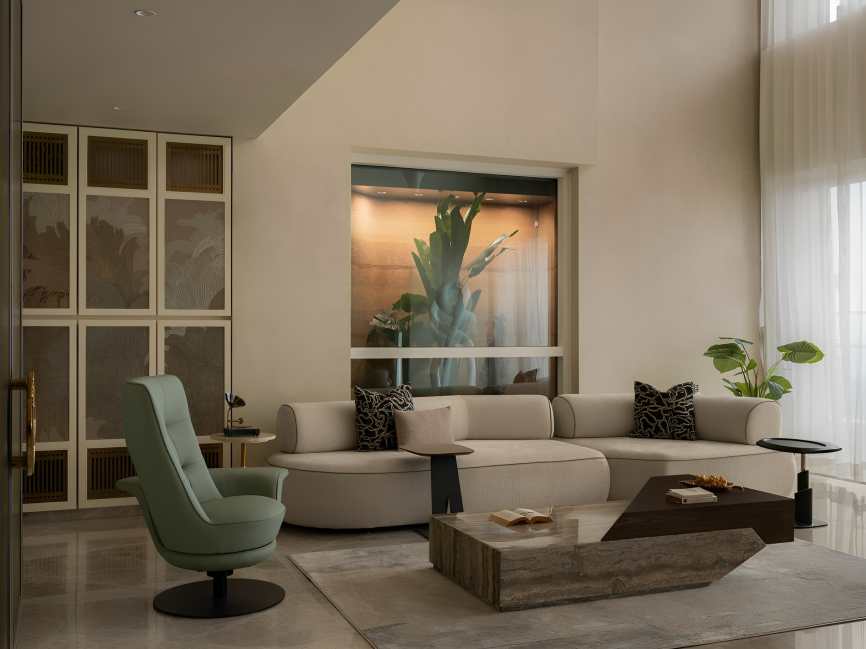
The national market reflects a similar premiumisation trend. In 9M CY26, homes above Rs 5 crore accounted for 3.5% of Tier 1 sales by volume but contributed 24.1% of transaction value. Homes above Rs 10 crore recorded 3,684 transactions, equivalent to an annualised 4,900 units, around 45% higher than CY25.
Mumbai’s housing market is not simply selling more homes; it is increasingly selling higher-value homes. Between CY21 and CY25, sales value grew 10.1% a year, with about 56% of that growth coming from a higher average ticket and 44% from more units. Volumes are now recovering modestly, with 9M CY26 sales annualising about 2.7% above CY25, while Mumbai’s homes above Rs 10 crore rose 80% in units over CY21–CY25. The industry’s challenge will be to sustain this premium demand while ensuring that housing supply continues to address the needs of buyers across income segments