
A recent move by the Government of Maharashtra to amend the Development Control Regulations (DCR) has triggered concern over the future of large playgrounds across Mumbai and surrounding regions. The revised policy proposes permitting commercial developments such as five-star hotels, malls, and complexes on a portion of designated open grounds.
Under the proposal, up to 30% of land parcels measuring 12 acres in Mumbai, Thane, Navi Mumbai, Pen, Palghar, and Raigad could be used for such projects, while in other parts of the state, similar development would be allowed on plots of 25 acres or more. The remaining 70% is to be reserved for sports and recreational use. However, critics argue that even partial commercialisation could restrict public access to these spaces.
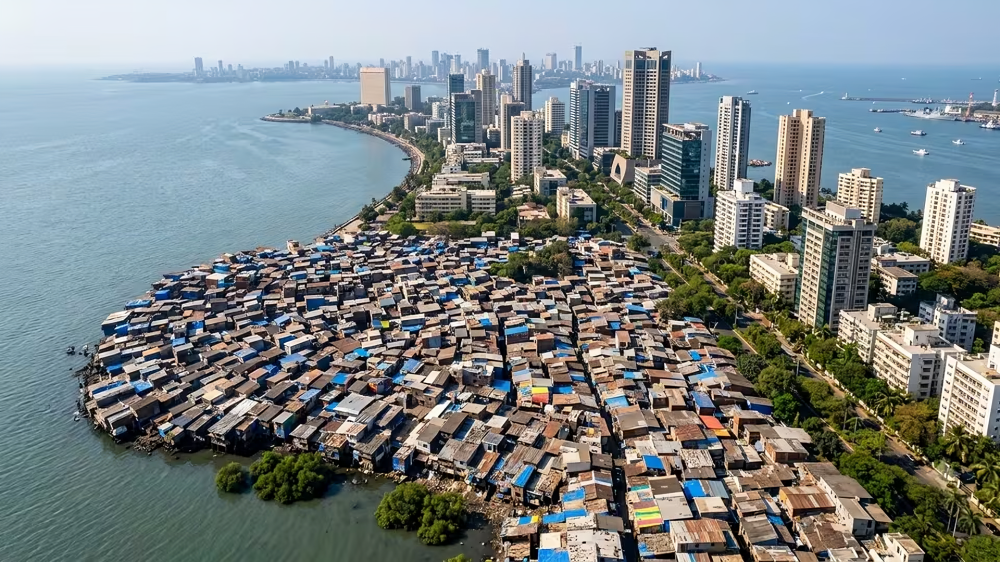
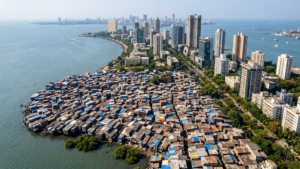
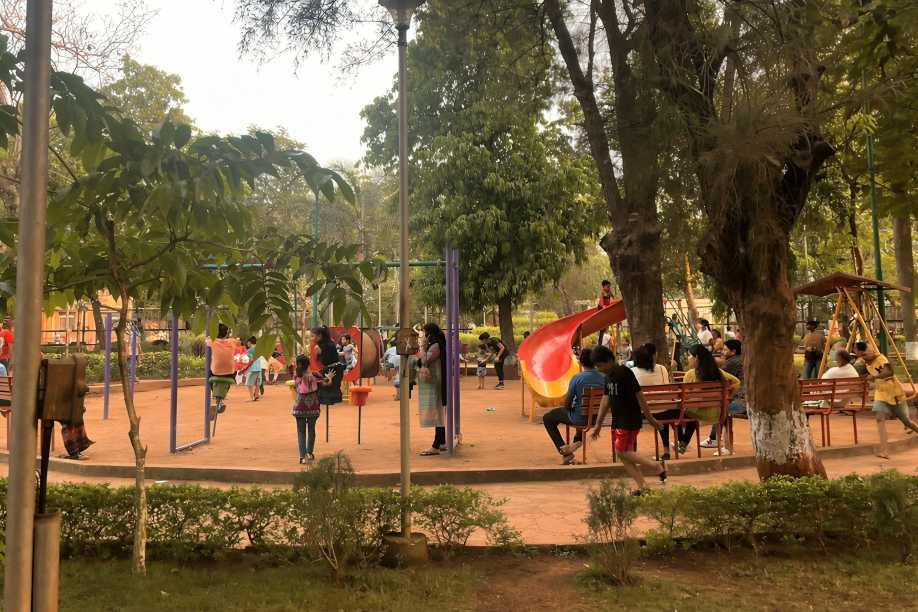
The move comes at a time when major cities are already grappling with a shortage of open spaces. Concerns have been raised that once commercial establishments come up, accessibility for children and the general public may be compromised due to security restrictions and operational boundaries.
Iconic grounds such as Azad Maidan, Oval Maidan, and Cross Maidan have been cited as examples of spaces that could be impacted in the long term. These centrally located grounds, near major transit hubs like Chhatrapati Shivaji Maharaj Terminus and Churchgate railway station, are widely used by the public for sports and recreation.
Critics also link the policy to a broader pattern of urban development decisions favouring commercial interests. Historical examples, such as changes in mill land allocation and the rise of high-rise construction in areas like Dadar, Worli, and Parel, are cited as precedents where policy shifts reshaped the city’s landscape.
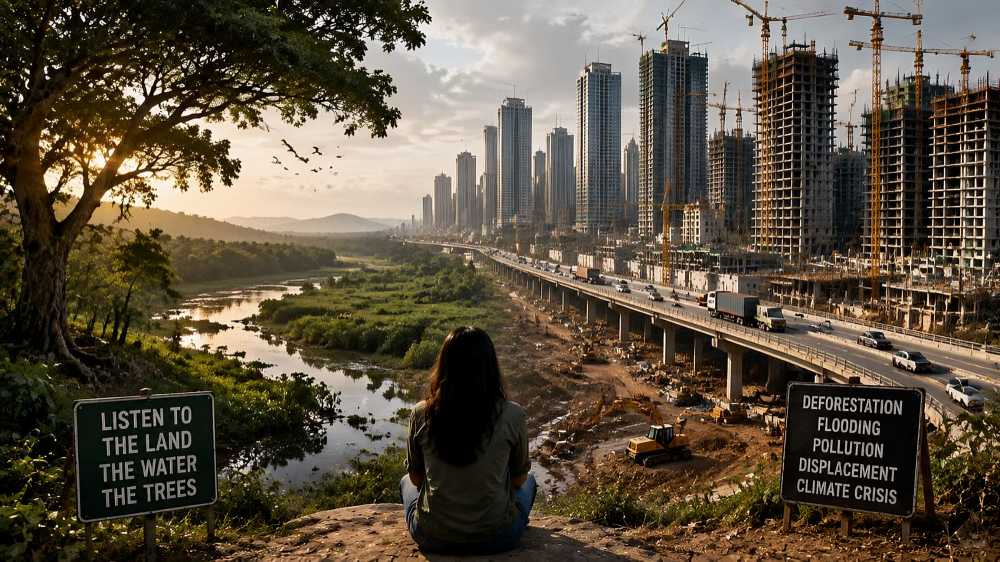
While proponents may argue that underutilised land can be optimised, opponents warn that such moves risk eroding already scarce public spaces. As the debate continues, the proposal raises larger questions about balancing urban growth with the preservation of accessible recreational areas.
Source: Loksatta