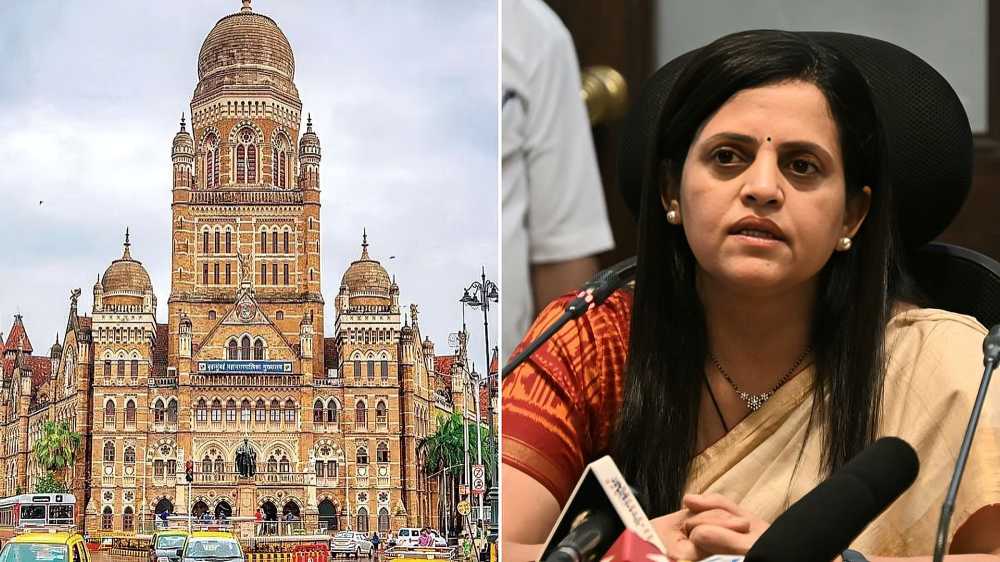

A commentary on urban governance has argued that Ashwini Bhide, the first woman municipal commissioner of the Brihanmumbai Municipal Corporation (BMC), should focus not only on large infrastructure projects but also on improving the everyday quality of life for Mumbaikars through a more responsive, citizen-centric administration.
Drawing parallels with the care and attentiveness associated with motherhood, the commentary says Mumbai’s governance model must evolve beyond ambitious long-term projects, also to address the daily stress and exhaustion experienced by residents across the city.
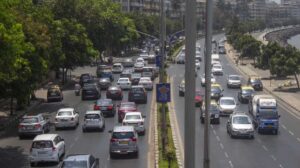
While acknowledging the importance of transformative infrastructure projects such as metro corridors, flyovers, tunnels and the Coastal Road, the article notes that such developments often bring years of disruption before delivering benefits. Dug-up roads, traffic diversions, dust, noise, and worsening commutes have become routine for citizens navigating the city’s rapid transformation.
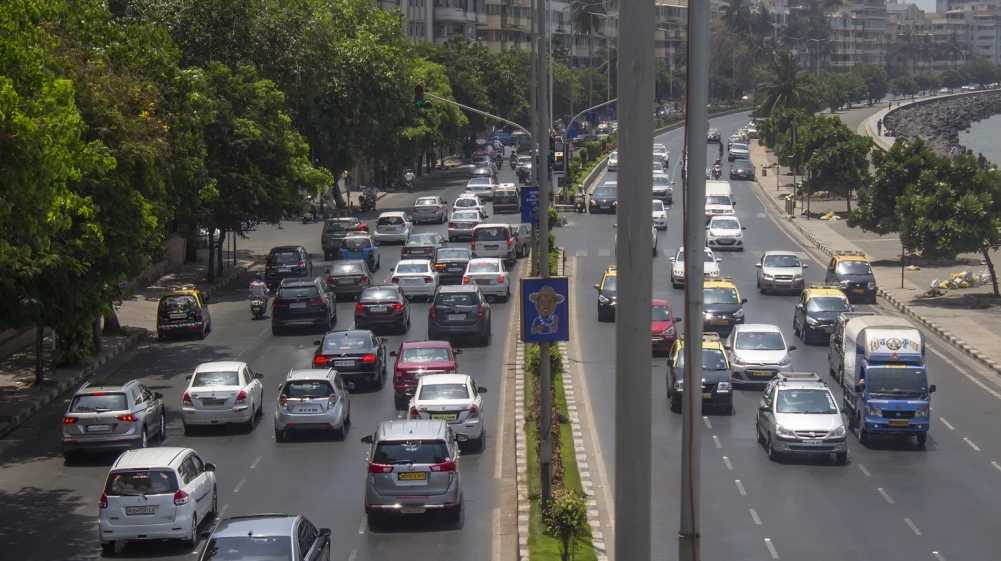
The commentary states that although projects like the Coastal Road and Metro are expected to improve long-term mobility, infrastructure expansion alone cannot resolve all urban challenges. In many cases, traffic bottlenecks and congestion have simply shifted from one location to another.
The article argues that Mumbai requires immediate civic relief measures in addition to future-focused development plans. It advocates the use of technology, analytics, better coordination and administrative accountability to solve everyday urban problems more efficiently.
Among the suggestions highlighted are intelligent traffic management systems using real-time movement data, dynamic traffic signal operations, stricter monitoring of illegal parking and predictive congestion management. The commentary also recommends digital public tracking of road excavation works so citizens can access information regarding ongoing disruptions.
It further proposes shifting garbage collection activities to nighttime hours to reduce peak-hour traffic pressure, while also encouraging the adoption of a shared parking framework using digital permissions and incentives for residential societies and commercial establishments.
The article stresses the need for stricter enforcement on emergency access routes, particularly in areas where roadside parking obstructs fire tenders and emergency services. It also calls for technology-driven enforcement systems using mobile electric squads equipped with cameras to monitor violations across narrow city roads.
Beyond infrastructure and mobility, the commentary advocates improvements in civic services, easier access to public documentation, greater citizen participation in neighbourhood cleanliness initiatives and more localised beautification efforts to make Mumbai more liveable, organised and less stressful for residents.
Source: The Free Press Journal