
Mumbai has officially commenced the first phase of the Dahisar River restoration project, marking a major step in the city’s ongoing efforts to revive polluted waterways, improve sewage infrastructure and strengthen climate-resilient urban systems.
The project, located in Mumbai’s north-western suburbs, combines river rejuvenation, sewage diversion and drainage infrastructure upgrades to tackle persistent challenges related to untreated wastewater discharge, flooding and environmental degradation. The initial phase focuses on restoring nearly five kilometres of the Dahisar River stretch while simultaneously expanding underground sewer connectivity in adjoining residential areas.
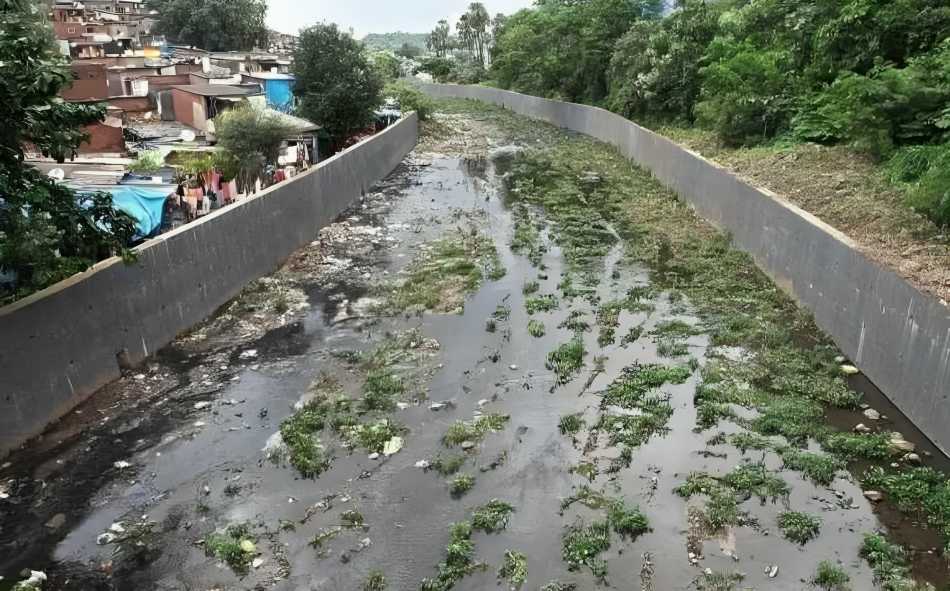
Civic authorities stated that the primary objective of the intervention is to reduce the direct flow of untreated sewage into the river, which for years has functioned both as a stormwater drain and an informal wastewater channel.
Urban planning experts view the initiative as part of a broader shift in how Indian cities are approaching water management and environmental infrastructure. Rather than depending solely on conventional drainage projects, municipalities are increasingly adopting integrated river restoration models that combine ecological rehabilitation with utility infrastructure improvements.
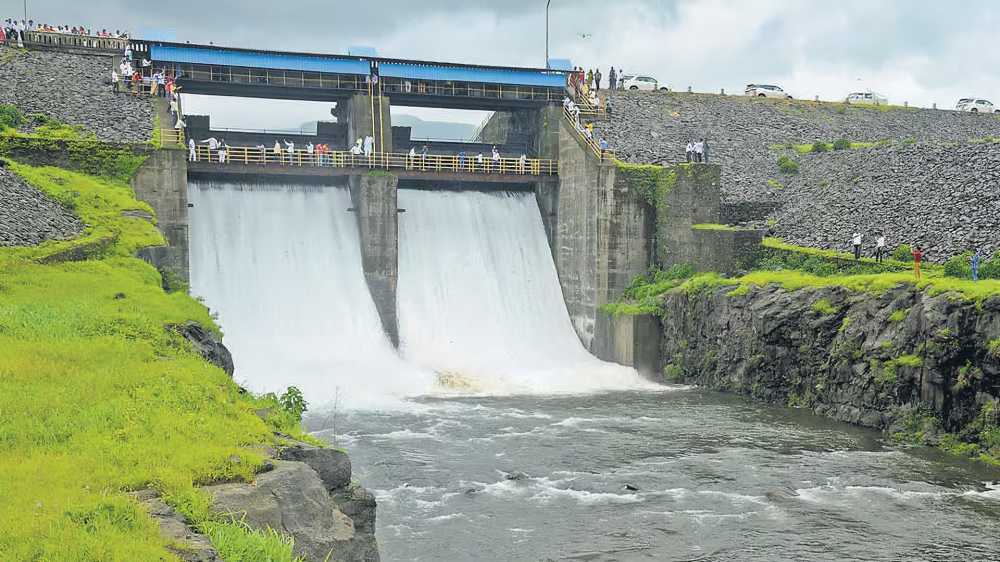
The Dahisar River flows through densely populated suburban neighbourhoods before emptying into the Arabian Sea, making flood management and water quality critical concerns for nearby communities. Environmental experts have repeatedly warned that unchecked sewage discharge, encroachments and dumping of construction debris have severely reduced the carrying capacity of several rivers and nullahs across Mumbai over the years.
As part of the restoration programme, new sewer lines linked to sewage treatment infrastructure have been laid to intercept wastewater before it enters the river channel. Experts involved in similar projects say decentralised wastewater treatment systems are becoming increasingly important in rapidly urbanising cities where ageing drainage networks struggle to handle growing sewage volumes.
The project also comes at a time when Mumbai faces rising climate risks due to changing monsoon patterns and increasingly intense rainfall events, which have amplified flooding concerns in low-lying suburban regions.
Urban development analysts say river restoration can play an important role in improving flood absorption, supporting biodiversity, creating public spaces and reducing urban heat stress in dense metropolitan environments.
Officials indicated that the Dahisar River model could shape future restoration plans for other polluted waterways in Mumbai, including the Poisar, Oshiwara and Mithi rivers, where water contamination and infrastructure stress continue to impact surrounding communities.
Source: Urban Acres