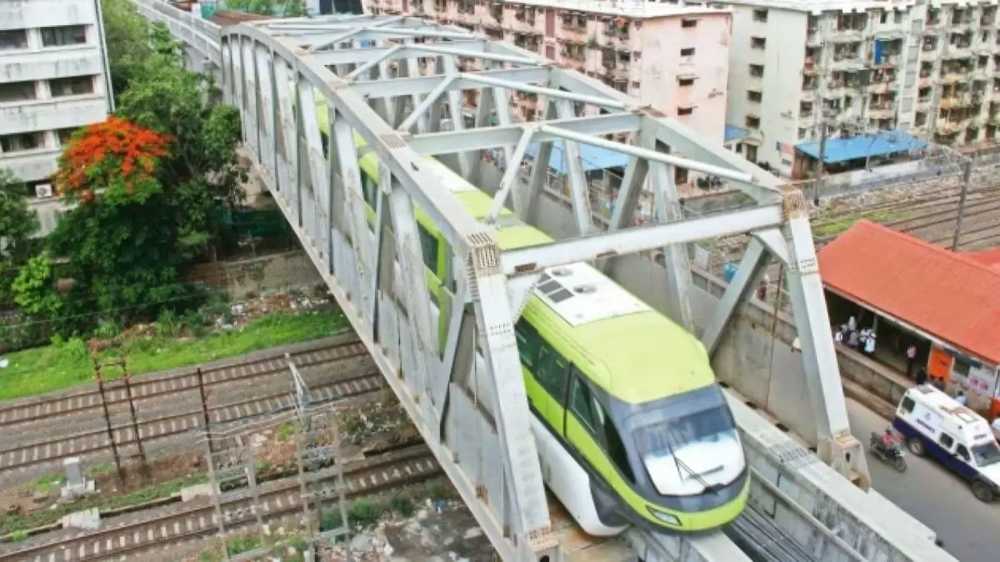

Mumbai’s underground Metro Line 3 is set to play a larger role in the city’s clean transport ecosystem, with authorities approving the rollout of battery swapping infrastructure across select metro stations. The initiative is aimed at linking urban rail infrastructure with electric vehicle (EV) services, strengthening the city’s push towards sustainable mobility.
Under the new framework, dedicated battery swapping stations for electric two-wheelers will be installed at multiple Metro Line 3 stations. These high-traffic commuter points are expected to double up as energy access hubs for EV users, particularly in densely populated areas of the city.
The system is designed mainly to benefit electric scooter users, delivery personnel, fleet operators and daily commuters who depend on quick turnaround mobility. Unlike conventional charging, battery swapping enables users to replace depleted batteries with fully charged ones within minutes, significantly reducing downtime and improving vehicle efficiency.
Transport experts believe that integrating such facilities within metro stations could improve first-mile and last-mile connectivity, which remains one of the biggest gaps in India’s public transport network. By combining metro infrastructure with EV charging ecosystems, the project aims to enable smoother multimodal travel across Mumbai.
Metro Line 3, which passes through several key residential and commercial districts, is expected to become an important transit backbone once fully operational. The addition of EV infrastructure within stations is also likely to encourage wider adoption of clean mobility solutions, especially in areas facing high traffic congestion and air quality challenges.
Urban mobility specialists point out that large-scale decarbonisation of transport systems requires integrated planning rather than standalone projects. They note that metro-linked EV networks can reduce dependence on fossil-fuel-based feeder transport and ease pressure on limited roadside charging infrastructure in crowded urban pockets.
The initiative also aligns with transit authorities’ efforts to generate additional revenue by utilising station spaces for mobility and commercial services. Globally, metro systems are increasingly adopting similar models that combine passenger convenience with revenue-generating mobility ecosystems.
Mumbai has seen rising adoption of electric two-wheelers in recent years, especially among gig economy workers and delivery services. However, limited charging infrastructure and long charging times remain major barriers. Battery swapping is therefore emerging as a practical alternative in space-constrained cities.
Experts, however, caution that success will depend on standardisation, reliable operations, affordability and sustainable energy sourcing.
Even so, the move marks a significant step towards building a more connected, cleaner and technology-driven urban transport system in Mumbai.
Source: Urban Acres