
The proposed Airoli–Katai elevated road corridor, aimed at strengthening connectivity between Navi Mumbai and the fast-growing Kalyan–Dombivli belt, is likely to face delays as land acquisition work continues to lag behind schedule. The setback raises the possibility that the project may miss its planned 2028 completion timeline, adding to concerns over infrastructure execution in the Mumbai Metropolitan Region.
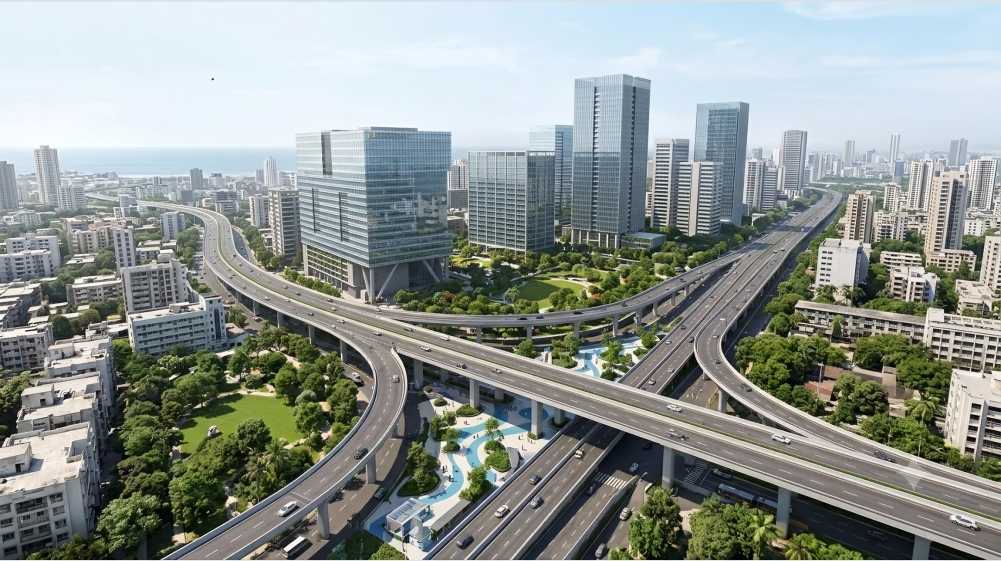
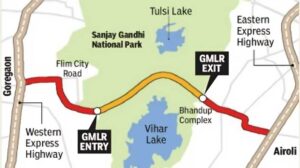
The elevated corridor, being developed by the regional planning authority, is designed to link National Highway 4 near Airoli with Katai Naka in Dombivli through a multi-layered road system. Once completed, it is expected to improve connectivity between Navi Mumbai, key growth centres in Thane district, and rapidly developing residential zones such as Ambernath and Badlapur.
Officials familiar with the project said land acquisition across multiple villages is progressing more slowly than expected. While survey work has largely been completed, formal possession of land and compensation disbursement are still underway and may take several more months to conclude.
The project includes elevated road sections, service roads, access ramps, and supporting infrastructure aimed at easing traffic movement across one of the region’s busiest commuter corridors. Urban mobility experts believe the corridor will become increasingly significant once the Navi Mumbai International Airport becomes operational, offering an alternative high-capacity link between eastern suburbs and logistics hubs.
However, continued delays highlight persistent challenges in infrastructure delivery, particularly around fragmented land ownership, rehabilitation requirements, and administrative clearance processes. Transport analysts note that while project planning and awarding of contracts often move quickly, execution tends to slow during acquisition and implementation phases.
The Airoli–Katai corridor is also expected to play a key role in shaping the region’s economic expansion by improving access to warehousing zones, industrial areas, and emerging housing markets across the eastern metropolitan belt. Several real estate pockets along the route have already seen increased interest in anticipation of improved connectivity.
At the same time, urban planners stress the need to integrate such projects with broader mobility systems, including metro networks, bus services, and pedestrian infrastructure, rather than relying solely on road expansion. Environmental experts have also called for careful planning in peri-urban areas where infrastructure development intersects with villages and sensitive ecological zones.
Despite uncertainty over timelines, authorities maintain that the corridor remains a priority project. Its completion is expected to ease chronic congestion and significantly improve both passenger and freight movement across eastern MMR, depending on how quickly land acquisition challenges are resolved in the coming months.
Source: Urban Acres