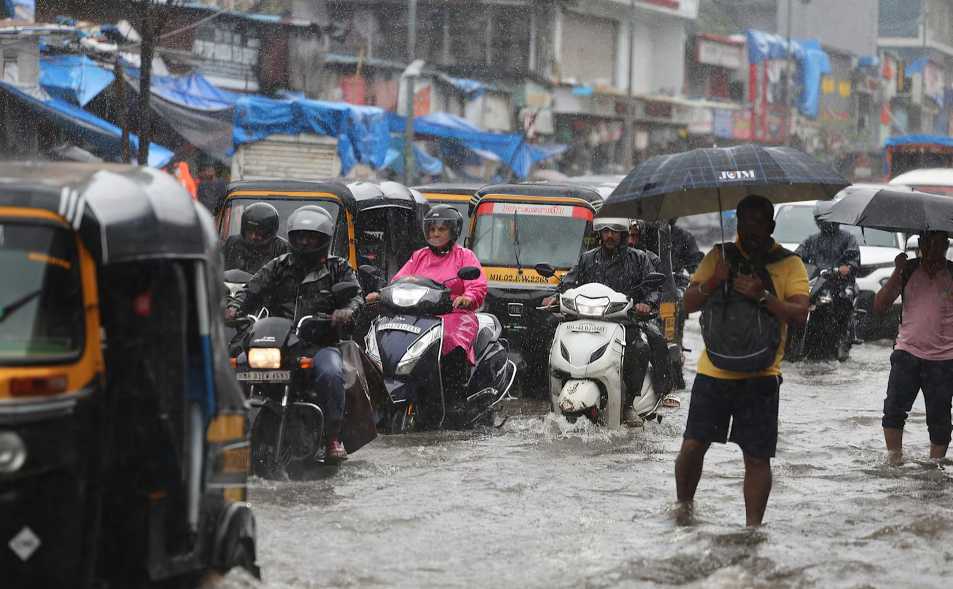

As Mumbai prepares for the arrival of the 2026 monsoon, civic authorities have intensified flood-mitigation efforts with upgraded drainage infrastructure, pumping stations and dewatering systems. Yet recurring flooding incidents and the city’s long history of waterlogging continue to raise concerns about how effectively it can handle another season of intense rainfall.
The Southwest Monsoon entered southern Maharashtra on June 6 and is expected to reach Mumbai between June 10 and June 12. Even before its official arrival, heavy pre-monsoon showers on May 31 and June 3 put the city’s infrastructure under pressure, triggering waterlogging in several areas and forcing the temporary closure of the Andheri Subway.
Mumbai’s flooding problem is deeply rooted in both historical and environmental factors. Much of the city’s stormwater drainage network dates back to the early 20th century and was designed to handle rainfall far lower than what modern monsoons often deliver. The limitations of this system became evident during the catastrophic floods of July 26, 2005, when 944 mm of rain fell within 24 hours, resulting in widespread devastation and more than 1,000 fatalities.
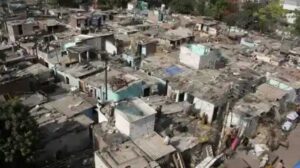
Although major reforms were proposed following the disaster, including drainage upgrades and river restoration initiatives, flooding continues to affect vulnerable locations such as Bandra Kurla Complex (BKC), Hindmata and other low-lying areas. Rapid urbanisation, land reclamation, shrinking wetlands, damage to mangrove ecosystems and blocked natural waterways have further weakened the city’s resilience against flooding.
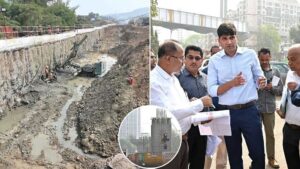
In preparation for this year’s monsoon, the Brihanmumbai Municipal Corporation (BMC) has deployed 43 major and 10 mini pumping stations, along with more than 431 dewatering pumps across flood-prone zones. Desilting work on drains has been completed, while Mithi River cleaning operations were around 75% complete before the onset of June rains.
Authorities have addressed most identified flooding hotspots, but recent downpours—including 69 mm of rain recorded in Versova on June 3—once again exposed vulnerabilities. The resulting waterlogging and traffic disruptions at the Andheri Subway highlight the continuing challenge of balancing infrastructure upgrades with the realities of increasingly intense rainfall events.
Source: The Sunday Guardian