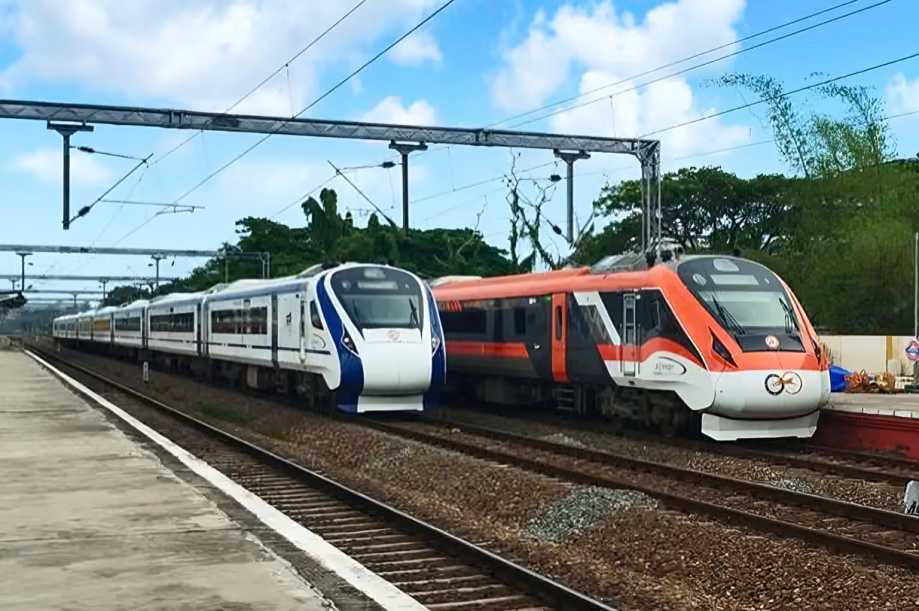

The launch of Mumbai Metro Line 3, commonly known as the Aqua Line, is steadily transforming urban mobility across the city, with Mahalaxmi Metro Station emerging as one of the corridor’s most important transit nodes. Strategically located in central Mumbai, the station is improving connectivity between South Mumbai, key commercial districts and the suburbs, offering commuters a faster alternative to the city’s often-congested road network.
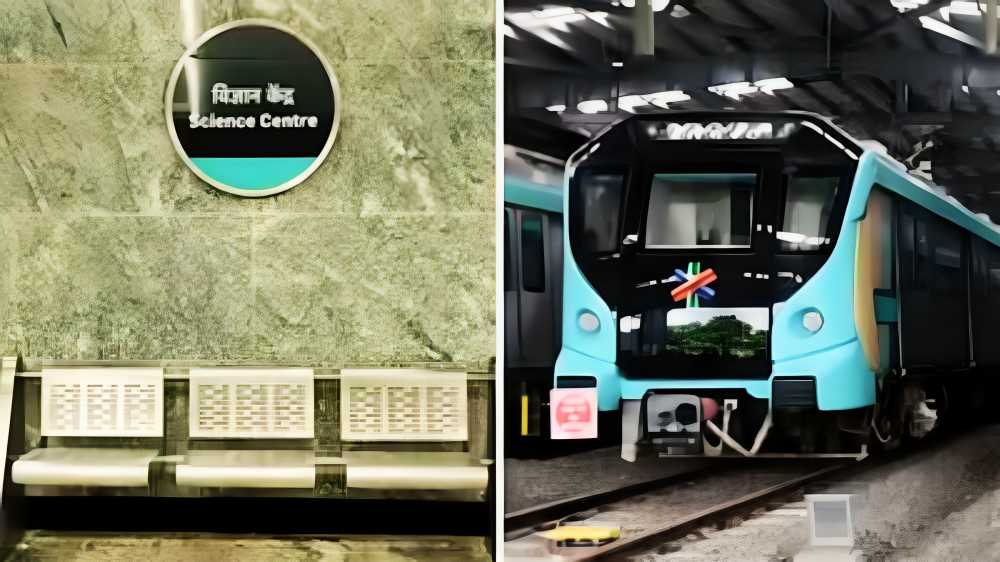
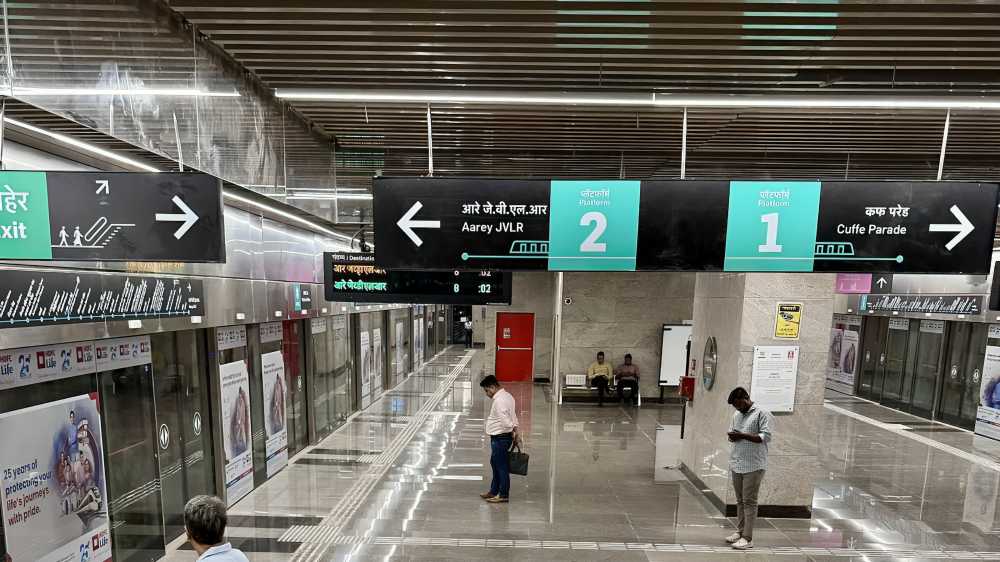
Mahalaxmi Metro Station is part of the 33.5-km fully underground Aqua Line that connects Cuffe Parade in South Mumbai with Aarey JVLR in the northern suburbs. Running beneath some of Mumbai’s busiest residential and commercial zones, the corridor provides direct access to major destinations such as the Bandra-Kurla Complex (BKC) and Mumbai Airport, significantly reducing travel times. The station is situated between Jagannath Shankar Sheth station and Science Centre station on the route.
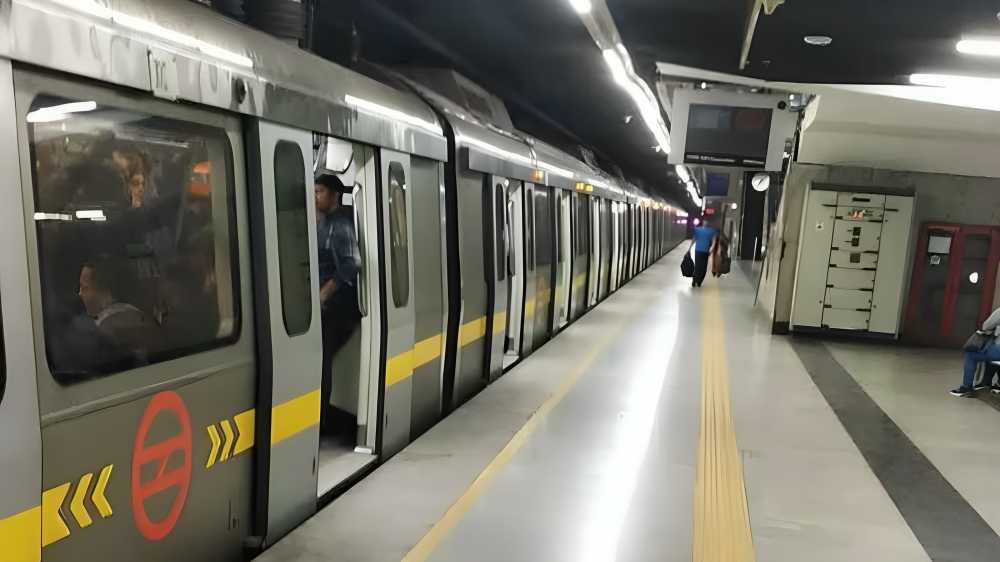
Designed to cater to high passenger volumes, the underground station features a central island platform that enables boarding from either side. Modern commuter amenities include escalators, elevators, automated fare collection gates and advanced ventilation systems that enhance passenger comfort and operational efficiency.
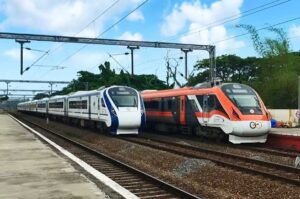
One of the station’s key strengths lies in its integration with Mumbai’s broader public transport ecosystem. A dedicated pedestrian connection links the station to the Western Railway’s Mahalaxmi suburban station, allowing seamless transfers between metro and local train services. Commuters can also access the nearby Sant Gadge Maharaj Chowk Monorail station, which provides connectivity towards eastern Mumbai and Chembur. In addition, BEST bus services and other local transport options are available in the vicinity.
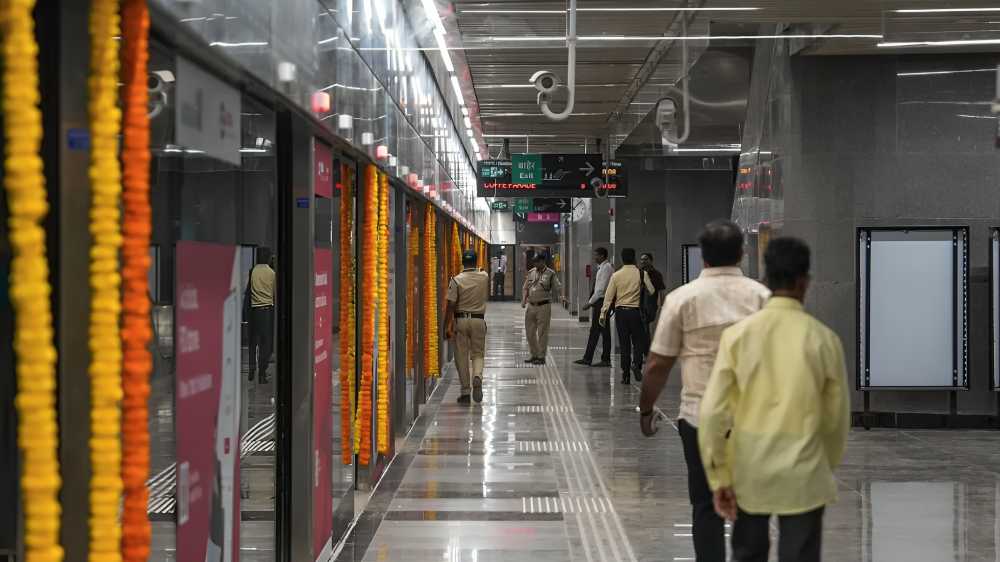
Multiple entry and exit points improve accessibility to surrounding neighbourhoods. These gates provide convenient access to areas such as RTO Colony, Ghas Gali Road, Agripada, Dhobi Ghat and several residential developments in the Mahalaxmi precinct.
Metro services operate throughout the week, with the first trains running between 6.40 am and 6.50 am and the last services departing between 10.40 pm and 10.50 pm. During peak periods, trains arrive every 3.5 minutes, while off-peak frequencies extend to approximately eight minutes. Ticket prices begin at Rs 10 for short-distance travel and range up to Rs 80 for longer journeys. Passengers can use the National Common Mobility Card, metro smart cards and QR-based tickets through the MetroConnect3 mobile application.
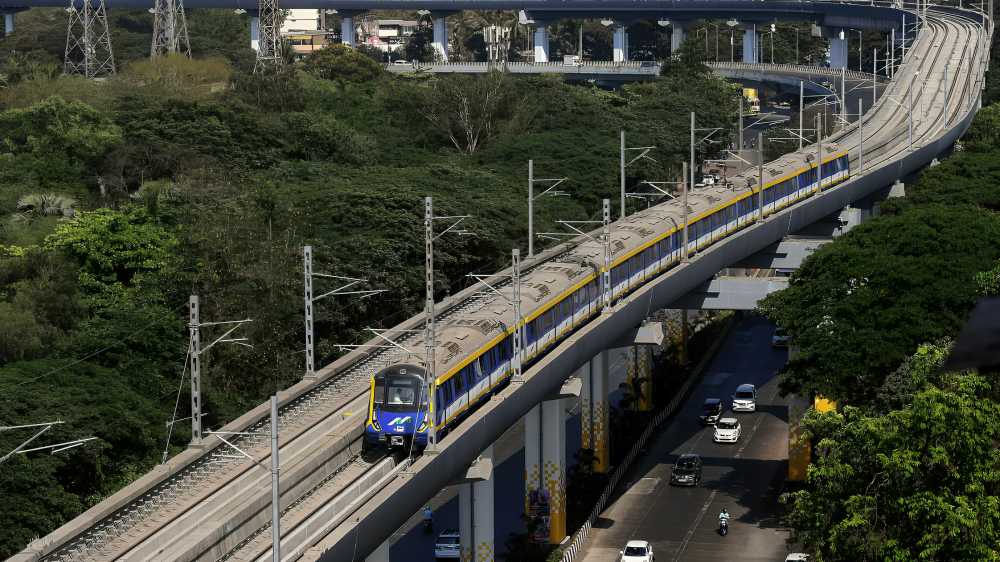
The station also improves access to prominent city landmarks, including the Mahalaxmi Temple, Haji Ali Dargah, Dhobi Ghat and the Nehru Science Centre, making it useful for both daily commuters and visitors.
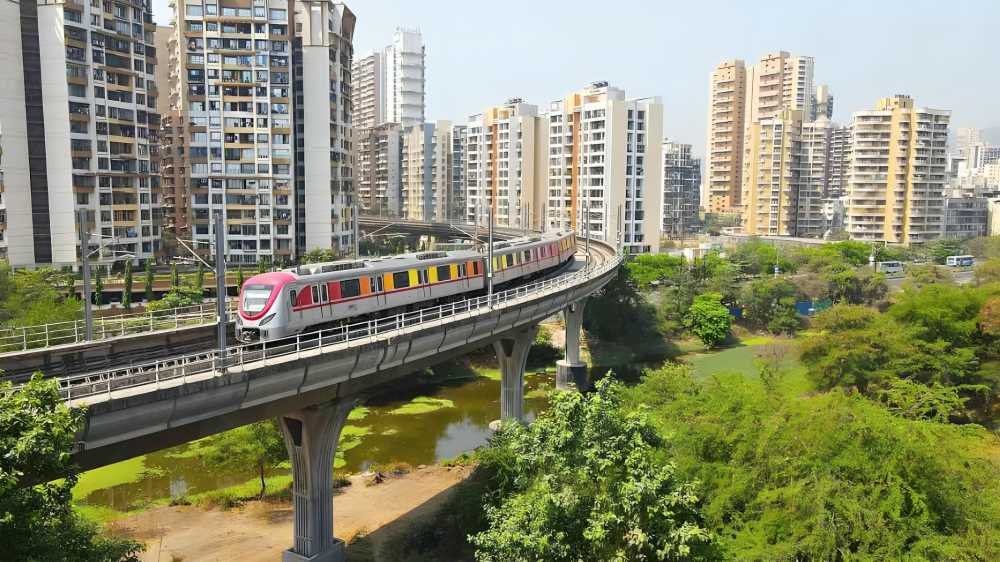
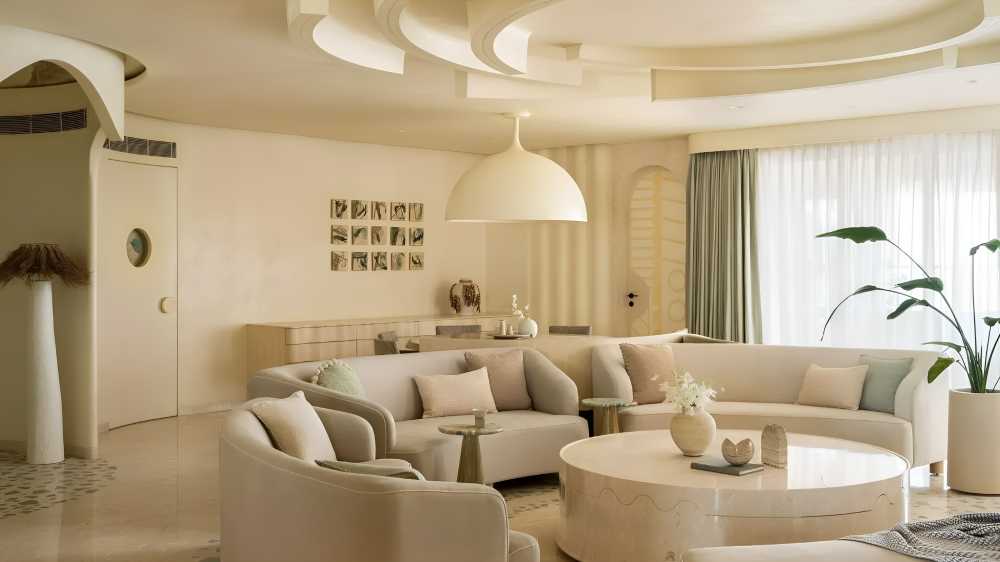
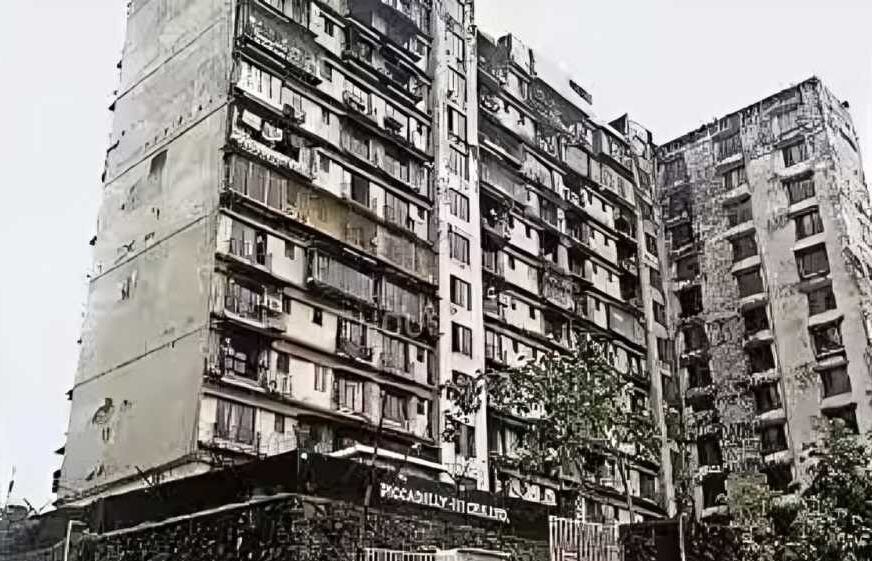
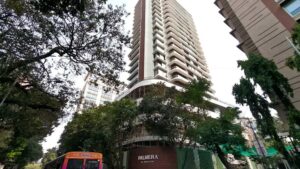
Improved connectivity has also strengthened the area’s residential appeal. Reduced travel times to business districts such as BKC have increased interest in premium housing projects around Mahalaxmi. Developments such as Raheja Vivarea and Piramal Mahalaxmi continue to attract buyers seeking access to high-quality infrastructure and central city connectivity. Residential prices in the locality typically range from Rs 45,000 to Rs 65,000 per sq ft, while two-bedroom apartments are estimated to cost between Rs 4.5 crore and over Rs 7 crore, depending on the project and location. Market trends indicate that property values in the area have appreciated by approximately 12% to 18%, reflecting the growing influence of transit-led development.
Source: News18