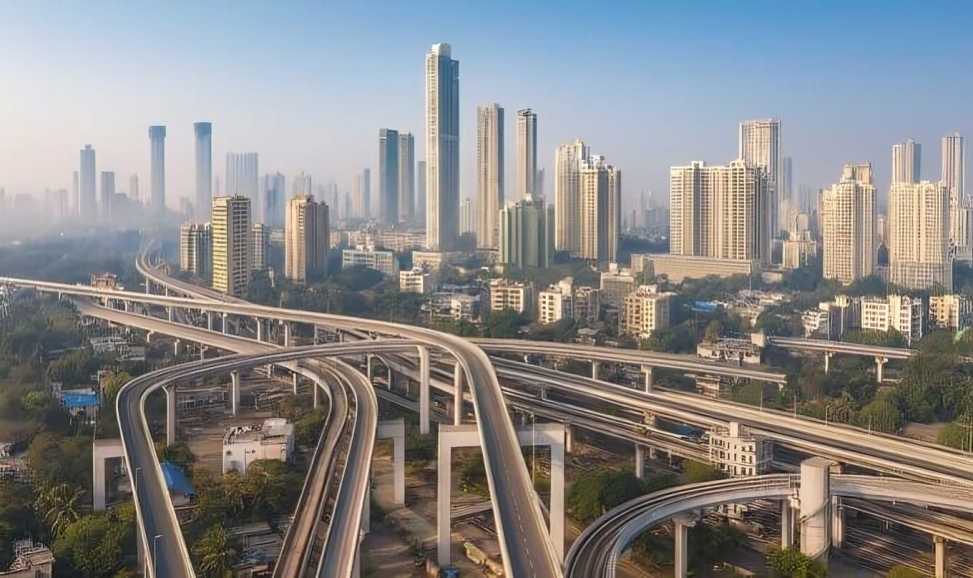

As Third Mumbai takes shape in Maharashtra’s urban planning agenda, the key challenge lies in ensuring it becomes a genuinely integrated city rather than another infrastructure-led real estate expansion.
The idea of “Third Mumbai,” formally the Karnala–Sai–Chirner (KSC) New Town, represents one of Maharashtra’s most ambitious attempts to decongest the Mumbai Metropolitan Region (MMR) and decentralise economic activity. The proposed development spans over 323sq km across 124 villages in Raigad district and is expected to be linked to major infrastructure such as the 22.8-km Atal Setu (Mumbai Trans Harbour Link) and the upcoming 60+ km Navi Mumbai International Airport connectivity network. Together, these projects are expected to reshape regional accessibility within the MMR.
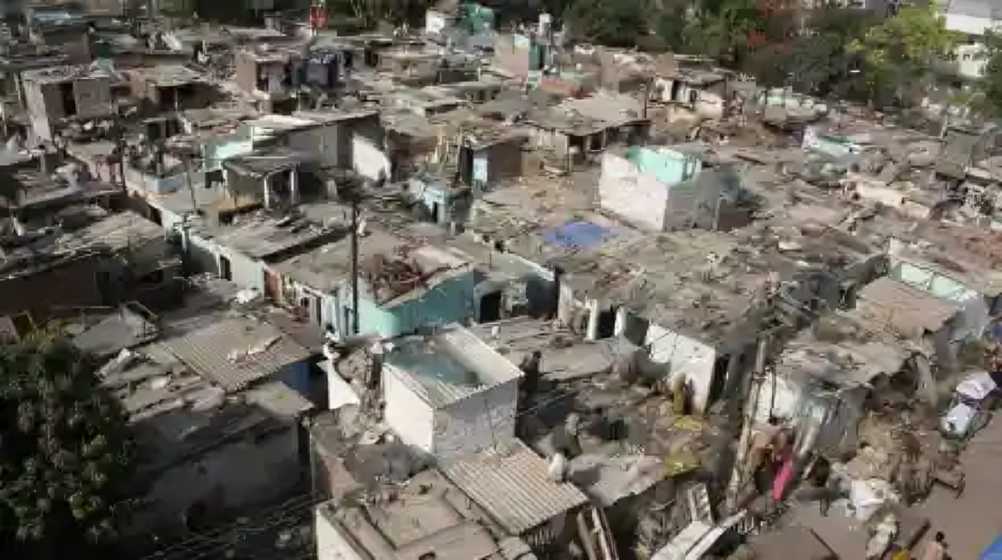
On paper, the objective is clear: shifting the focus away from an overburdened Mumbai, which already has a population density of over 20,000 persons per sq km in island city pockets, and redistribute it to planned nodes. The MMRDA’s approach aligns with global urban expansion models, where cities evolve through transport-led growth corridors. However, India’s past experience shows that infrastructure creation alone does not guarantee balanced urbanisation.
The concern around Third Mumbai is not scale but sequencing. In multiple Indian metro expansions, land values in peripheral regions have risen by 30% to 200% ahead of full infrastructure completion, creating speculative markets long before livability catches up. This raises the risk of the region becoming investment-driven rather than habitation-driven.
For Third Mumbai to avoid this outcome, early delivery of core infrastructure is essential. Water systems, sewage networks, mobility integration, and public utilities must precede large-scale real estate absorption. Without these, even a planned urban spread of 300+ sq km risks fragmenting into isolated pockets of development.
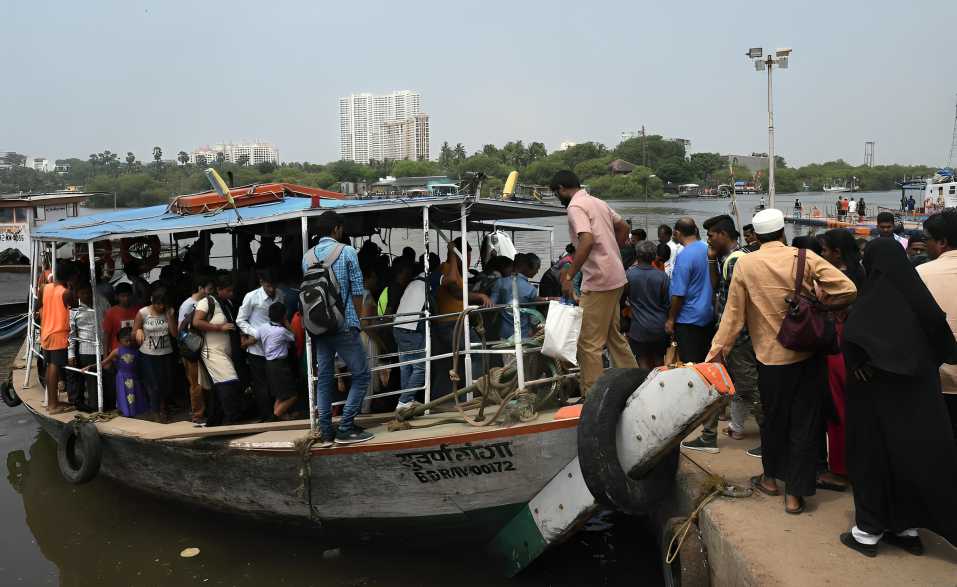
Economic anchoring is equally critical. Global benchmarks such as Singapore’s regional hubs and London Docklands succeeded because they integrated jobs and institutions early. In contrast, Indian satellite developments often see employment lag behind housing, with commuting times in some MMR corridors already exceeding 90 to 120 minutes one way for daily workers.
Land acquisition frameworks also remain a key pressure point. Across India, infrastructure delays linked to compensation disputes have extended project timelines by 3 to 7 years in several cases, underlining the importance of transparent rehabilitation and fair value distribution.
Governance complexity further adds to the challenge. Large urban projects typically involve coordination between multiple agencies including planning authorities, municipal bodies and transport departments, often leading to fragmented execution if not centrally aligned.
Ultimately, Third Mumbai will not be judged by the quantum of land developed or early real estate activity. Its success will depend on whether it functions as a cohesive urban ecosystem where housing, jobs, transport and infrastructure grow together.
If it slips into speculative expansion, it risks repeating the imbalance it was designed to fix. If executed with discipline, it could become a defining model for how India builds future cities.