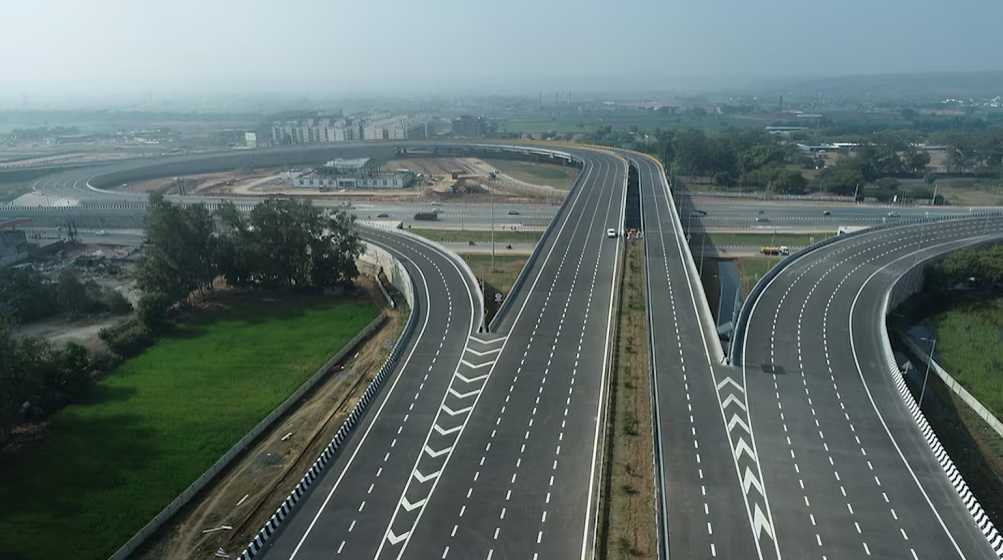

The Mumbai-Vadodara stretch of the Delhi-Mumbai Expressway is expected to become operational by August 31, 2026, reducing travel time between the two cities from around eight hours to nearly four hours, Maharashtra Chief Minister Devendra Fadnavis has said.
The Delhi-Mumbai Expressway, a 1,400-km, eight-lane, access-controlled corridor, is among India’s largest infrastructure projects. Being developed by the Union government at an estimated cost of nearly ₹1 lakh crore, the greenfield expressway will connect Haryana, Rajasthan, Madhya Pradesh, Gujarat and Maharashtra, significantly improving road connectivity across western and northern India.
During an inspection of the project, Fadnavis reviewed the progress of construction and instructed officials to complete the remaining work within the stipulated timeline while maintaining quality standards.
The Maharashtra section of the Vadodara-Mumbai corridor spans approximately 157 kilometres and is being developed at an estimated cost of ₹24,000 crore. The stretch has been divided into seven construction packages, of which five have already been completed and are ready for traffic. Work on the remaining two packages is expected to conclude by August 2026.
Fadnavis said the entire Maharashtra stretch of the expressway is targeted to be opened to motorists by August 31, 2026.
Once operational, the corridor is expected to offer faster, safer and more efficient travel while easing congestion on existing highways. The reduced travel time is also expected to benefit businesses by improving the movement of goods between Gujarat and Maharashtra.
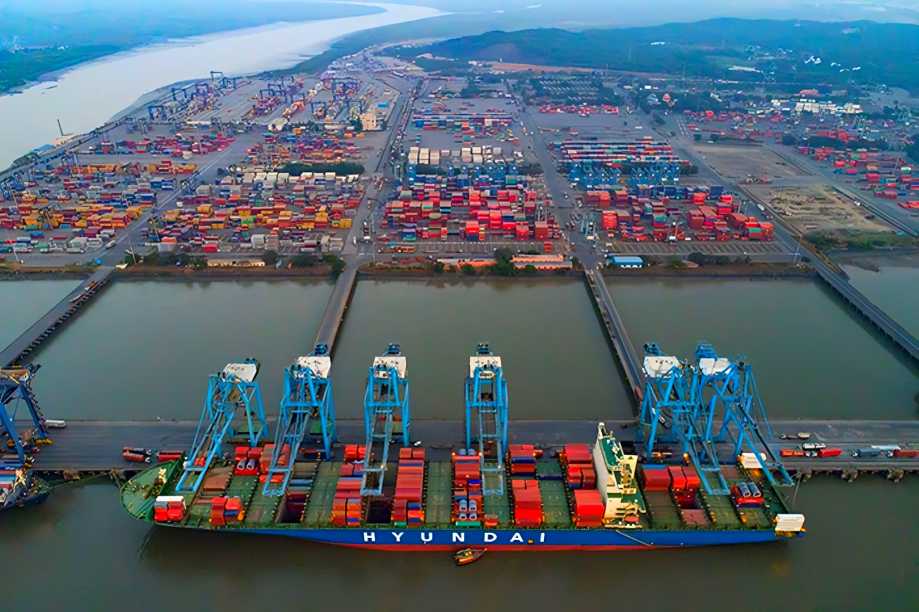
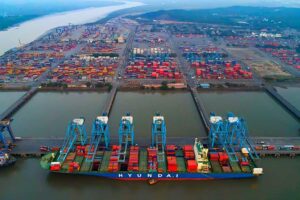
The Chief Minister highlighted that one of the project’s major advantages is its direct connectivity to the Jawaharlal Nehru Port Authority (JNPA), which will facilitate quicker and more cost-effective transportation of cargo from northern India. He said the expressway would help decongest key freight routes passing through Thane, Bhiwandi and Ghodbunder, resulting in lower fuel consumption and improved logistics efficiency.
According to the state government, the enhanced connectivity between industrial hubs in North and West India and Mumbai’s port network is expected to strengthen exports, encourage investments, support industrial growth and generate employment while contributing to the country’s long-term economic development and infrastructure expansion.
Source: Money Control