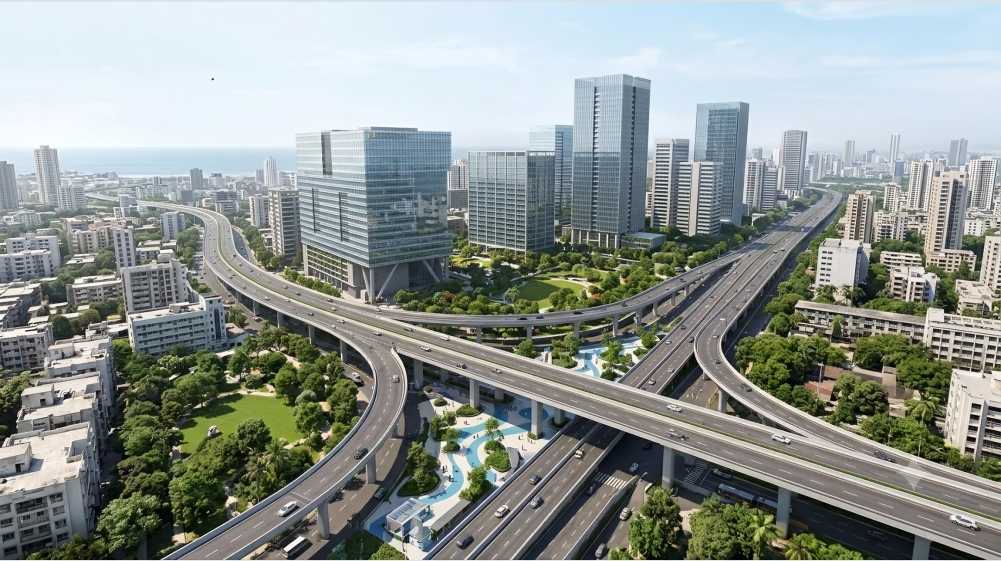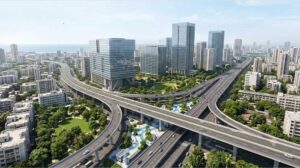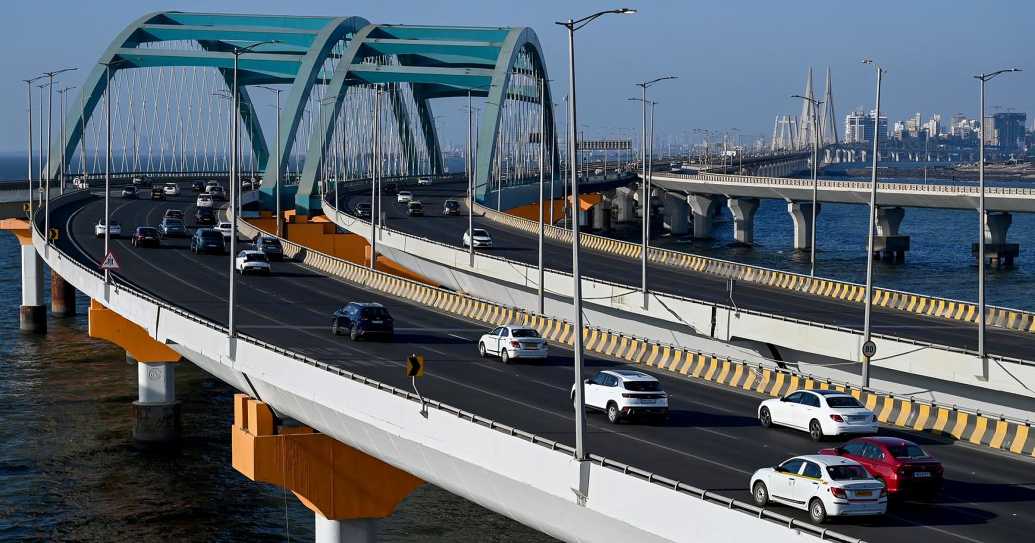

Mumbai has long been known as a city that depends on public transport, yet recent infrastructure investments have increasingly focused on expanding road networks for private vehicles. Several large-scale road projects, including coastal corridors, flyovers, and tunnels, have sparked debate over whether transport planning aligns with the commuting patterns of most residents.
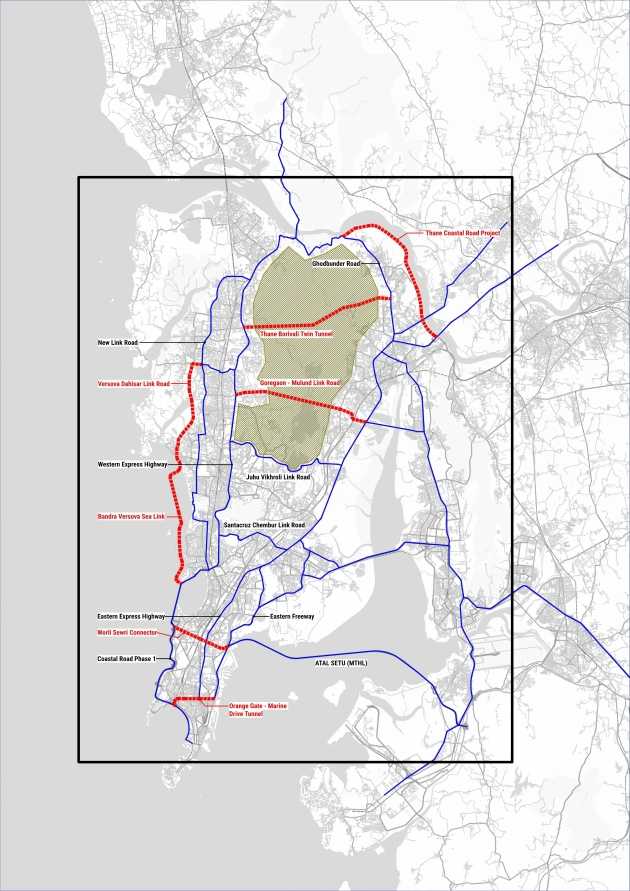
The latest proposal involves reclaiming around 2,200 square metres of the Arabian Sea near Girgaum Chowpatty to widen the road connecting the Orange Gate tunnel with the Coastal Road. The project, which has received clearance from the Maharashtra Coastal Zone Management Authority, is awaiting final approval from the Union environment ministry.
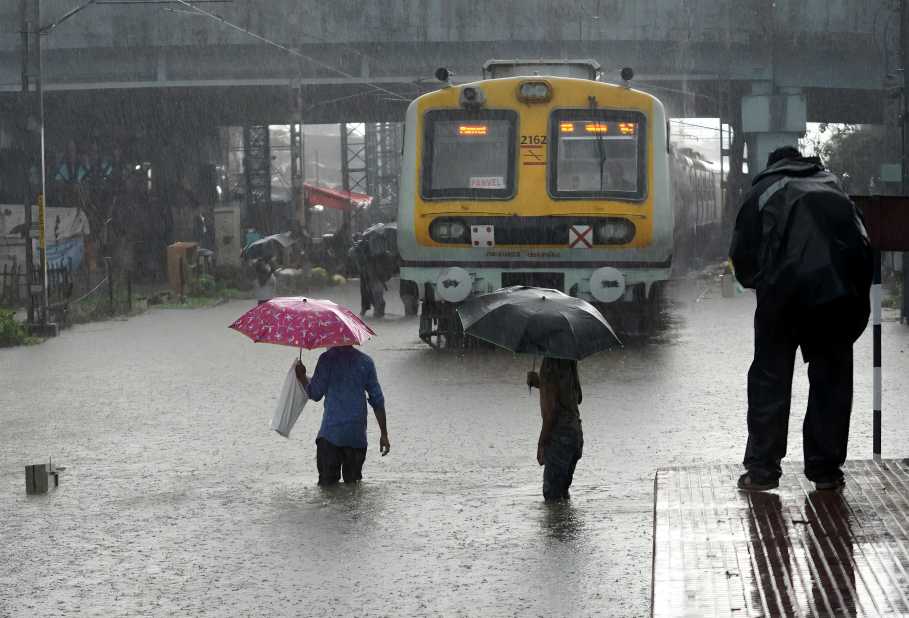
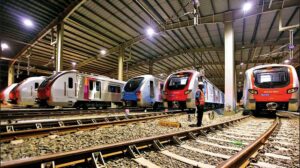
Despite these investments, most daily travel in Mumbai continues to rely on public transport. The suburban railway network carries nearly 80 lakh passengers every day, while the Metro serves around nine lakh commuters. BEST buses transport close to 30 lakh passengers daily, compared to an estimated 15 lakh people travelling by private cars.
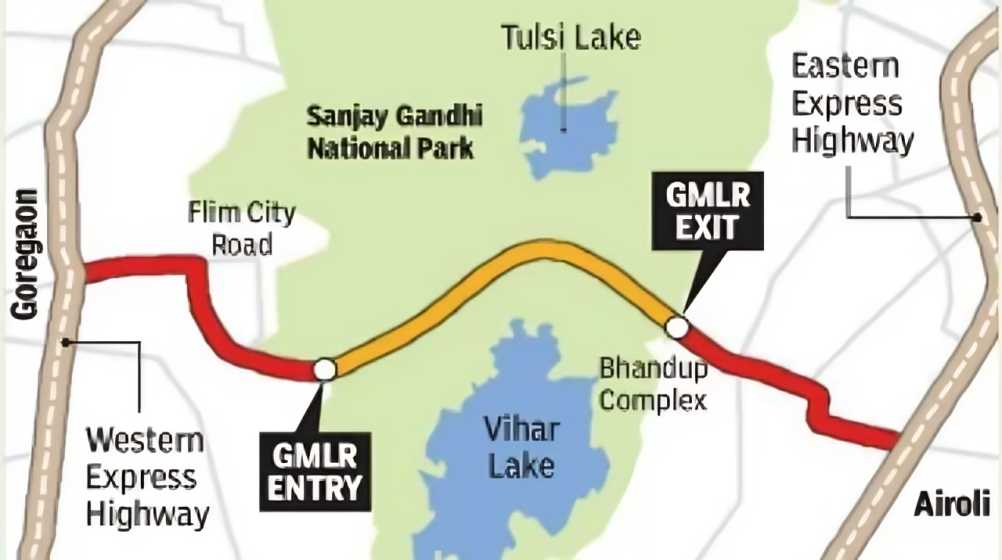
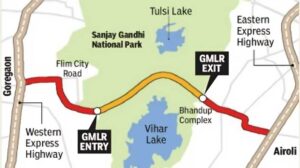
Over the past few years, Mumbai has committed significant funds to road infrastructure. The 10.58-km southern phase of the Coastal Road project has cost Rs 14,977 crore, while the 12.2-km Goregaon-Mulund Link Road (GMLR), valued at around Rs 14,000 crore, includes twin tunnels passing beneath the Sanjay Gandhi National Park. The Coastal Road is expected to accommodate around 1.3 lakh vehicles daily, reducing travel time between South Mumbai and the western suburbs.
Urban planning experts, however, argue that increasing road capacity often leads to higher vehicle usage over time, with congestion eventually returning. They point to global examples where expanding highways failed to deliver lasting relief from traffic.
At the same time, public transport continues to face operational challenges. BEST’s fleet has declined over the past decade, while the suburban railway network remains under pressure due to heavy passenger demand. Experts suggest that greater investment in trains, buses and seamless integration between Metro, railway and bus services would benefit a much larger section of commuters.
They also emphasise the need to improve transport access in rapidly growing suburbs such as Vasai-Virar and Nalasopara, where many residents continue to rely on intermediate public transport due to limited connectivity.
As Mumbai continues to expand, transport planners face the challenge of balancing road development with investments that strengthen the city’s extensive public transport network.
Source: Scroll