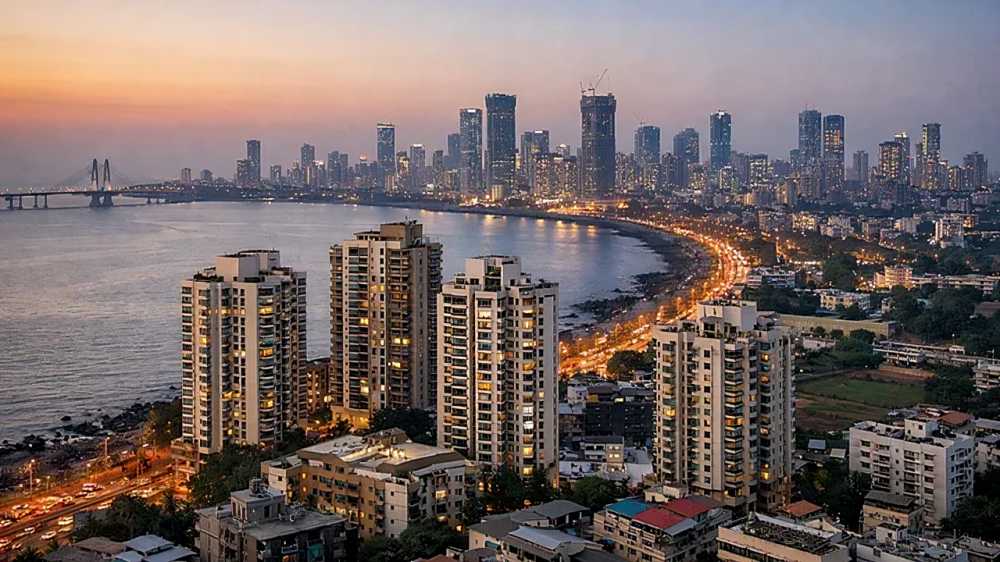

Mumbai’s residential market is witnessing a shift beyond its traditional real estate destinations, with infrastructure development driving housing demand and new project launches across emerging micro-markets in the Mumbai Metropolitan Region (MMR), according to ANAROCK’s Residential Market Viewpoints Q2 2026 report.
The report states that MMR retained its position as India’s largest residential market during the second quarter of 2026, recording 34,550 new housing launches. This accounted for nearly one-third of the total residential supply across the country’s seven major cities.
Housing sales also remained the highest among the top seven cities, with around 28,700 units sold during the quarter, representing approximately 32% of total residential sales nationwide.
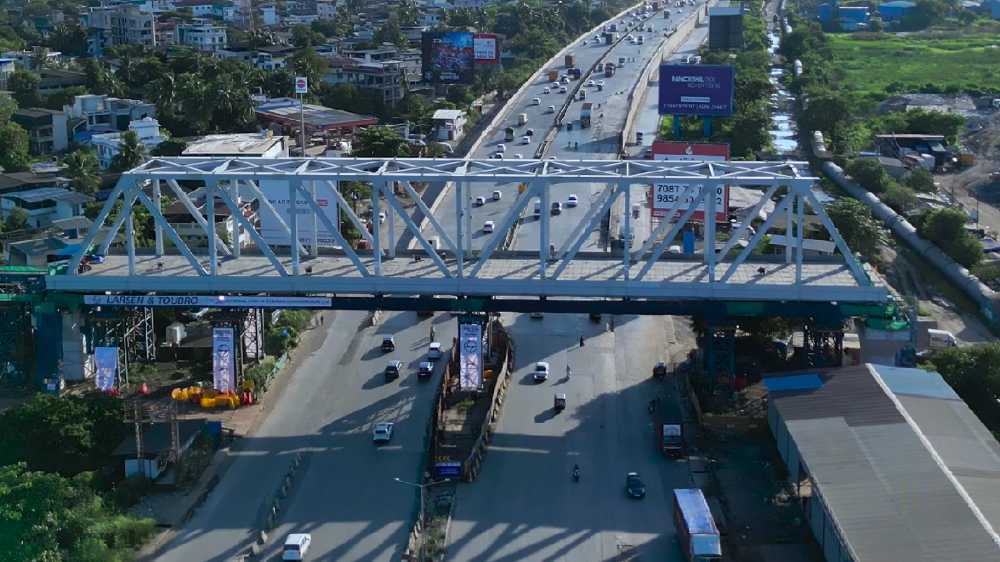
According to ANAROCK, the latest growth is increasingly being driven by emerging suburban micro-markets rather than Mumbai’s established business districts. Improved connectivity through major infrastructure projects such as the Mumbai Trans Harbour Link (MTHL), Navi Mumbai International Airport, Metro network expansion, the Coastal Road and upgrades to the suburban rail system has expanded the city’s residential footprint.
The report also noted that MMR recorded a 23% year-on-year increase in new launches during Q2 2026, reflecting sustained confidence among both developers and homebuyers despite a relatively moderate demand environment.
Traditionally, Mumbai’s housing market expanded primarily towards the northern suburbs. However, improved infrastructure has accelerated growth in several other locations, including Ghansoli, Mahape, Kalwa, Pawne and Thane, making these areas increasingly attractive for residential development.
“Investors who valued this corridor on its fundamentals, low density, proximity to the city that actually matters, were positioned long before the first pillar went in. The infrastructure is just a confirmation of one that already existed,” said Nadim Shaikh, Executive Director, Samira Habitats (India) Ltd.
Enhanced connectivity has significantly reduced travel time between residential areas and employment centres, encouraging both developers and homebuyers to consider locations beyond central Mumbai. The emergence of new commercial and industrial hubs has further strengthened housing demand in these regions.
The report also highlighted steady price appreciation across MMR. Average residential prices reached Rs 17,780 per sq ft during the second quarter of 2026, reflecting an annual increase of 4%.
Looking ahead, ANAROCK expects Mumbai’s residential growth to remain closely linked to infrastructure development. As new transport corridors become operational and employment centres expand across the region, residential development is likely to become more decentralised, with emerging micro-markets continuing to play a larger role in shaping the MMR housing market.
Source: Outlook Money