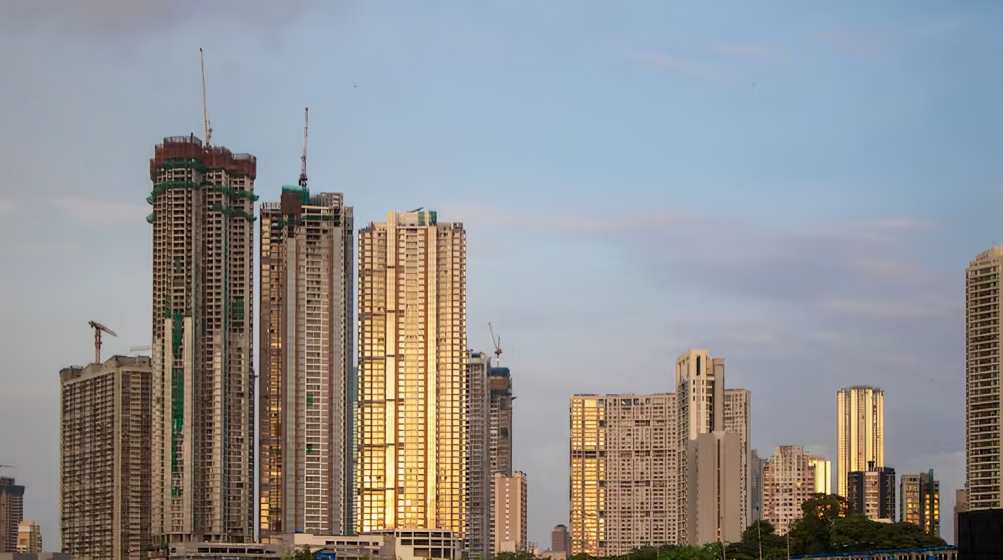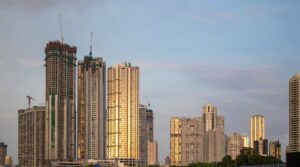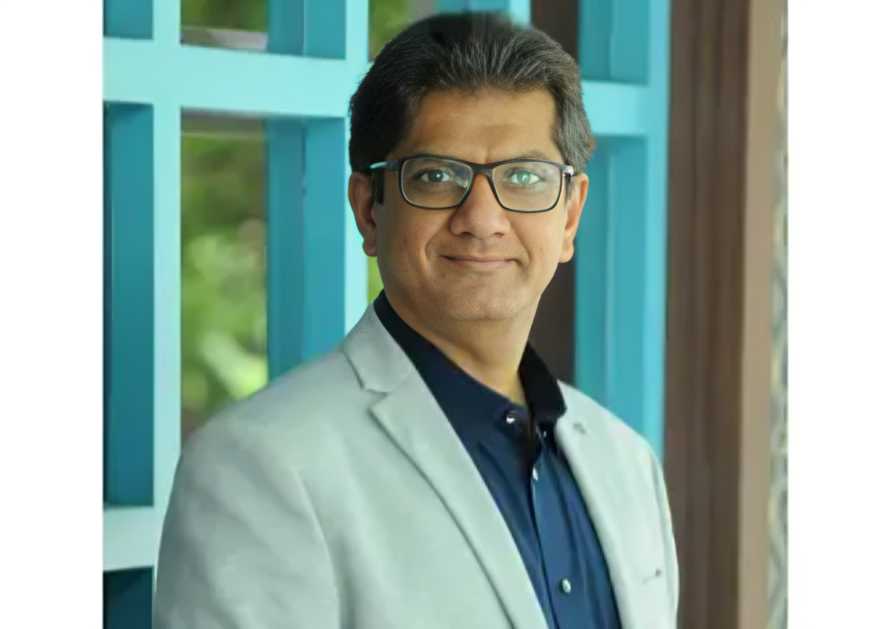

Mumbai’s next phase of urban transformation should prioritise integrated, sustainable and transit-oriented development rather than simply expanding its skyline, according to Hardik Pandit, Director of APICES Studio Pvt. Ltd. Speaking about the city’s evolution, Pandit said Mumbai’s growth has always been shaped by its ability to adapt to changing economic, geographic and social realities.
Tracing the city’s journey, he said Mumbai evolved from a cluster of seven islands into India’s financial capital through land reclamation, colonial planning, industrialisation and modern infrastructure. The Victorian Gothic and Art Deco eras established the city’s architectural identity, while the textile mills influenced neighbourhood development by creating dense, walkable communities centred around employment.
According to Pandit, economic liberalisation transformed Mumbai from a manufacturing hub into a centre for finance, media and services. Redevelopment of former mill lands, the rise of Bandra-Kurla Complex and increasing vertical development reflected this shift, while ongoing projects such as Metro corridors, the Coastal Road and Atal Setu are now redefining urban mobility.
Describing Mumbai’s current urban character, Pandit said the city is a blend of multiple architectural styles, including Portuguese, British colonial, Art Deco, modern and post-modern influences. He added that contemporary landmarks such as Terminal 2 of Chhatrapati Shivaji Maharaj International Airport and the upcoming Navi Mumbai International Airport reflect Mumbai’s transition towards a modern global city while preserving its architectural heritage.
Speaking about Mumbai 3.0, Pandit said the concept represents a move towards integrated urban ecosystems where residential, commercial, educational and recreational spaces are developed together. He noted that younger generations increasingly prefer walkable neighbourhoods with shorter commutes and better quality of life, making mixed-use and transit-oriented planning essential.
Among the Mumbai Metropolitan Region’s emerging growth corridors, Pandit identified Navi Mumbai as having the greatest long-term potential, particularly the areas surrounding the upcoming Navi Mumbai International Airport. Supported by infrastructure such as the Atal Setu, Metro connectivity and improved road networks, he believes the region can emerge as a major economic hub.
Pandit emphasised that future planning should treat infrastructure as the foundation of development rather than an afterthought. He said roads, public transport, utilities and digital infrastructure must be planned alongside housing, commercial spaces and social amenities to create complete urban ecosystems.
On sustainability, he said the focus should extend beyond green buildings to include climate-resilient neighbourhoods, mixed-use developments, efficient public transport, open spaces, water conservation and waste management systems. He also highlighted the importance of planning dedicated data centre clusters with renewable energy, energy-efficient cooling systems and recycled water infrastructure to support Mumbai’s growing digital economy.
Looking ahead to 2040, Pandit said Mumbai’s success will depend not on building taller structures, but on creating a smarter, more connected, liveable and globally competitive metropolitan region.
Source: Mid-day