
Citizens’ group NAGAR has opposed the Maharashtra government’s proposal to allow underground parking facilities beneath Mumbai’s public open spaces, stating that such construction could impact natural systems that help manage flooding, recharge groundwater and reduce urban temperatures.
In a letter addressed to Chief Minister Devendra Fadnavis on July 15, NAGAR urged the state government not to permit any construction, including underground structures, below public open spaces. The organisation argued that preserving these areas is essential for maintaining the city’s ecological balance.
According to NAGAR, allowing underground parking beneath open spaces could conflict with the Brihanmumbai Municipal Corporation’s (BMC) ₹13,000-crore integrated flood mitigation master plan, which includes several nature-based measures such as mangrove and wetland restoration, bioretention systems, bio-swales, permeable pavements, and the development of urban parks and green corridors.
The group stated that open-to-sky spaces play an important role during heavy rainfall by allowing water infiltration, temporary stormwater storage, groundwater recharge and reduction of peak runoff. Constructing underground facilities beneath these areas, it said, would reduce their ability to absorb rainwater by converting them into impermeable surfaces.
NAGAR highlighted several environmental concerns linked to covering open spaces with concrete structures. These include reduced natural cooling due to lower vegetation cover and limited tree growth, increased surface temperatures caused by heat absorption by construction materials, and higher energy demand for cooling during periods of extreme heat.
NAGAR trustee Nayana Kathpalia said, “We want to draw the government’s attention to the fact that permitting underground parking lots under open spaces is counter-productive to the other plans they have to facilitate nature-based solutions and abate flooding.”
The organisation, established in 2000, works on urban issues including protection of public open spaces, conservation of built and natural heritage, and water management.
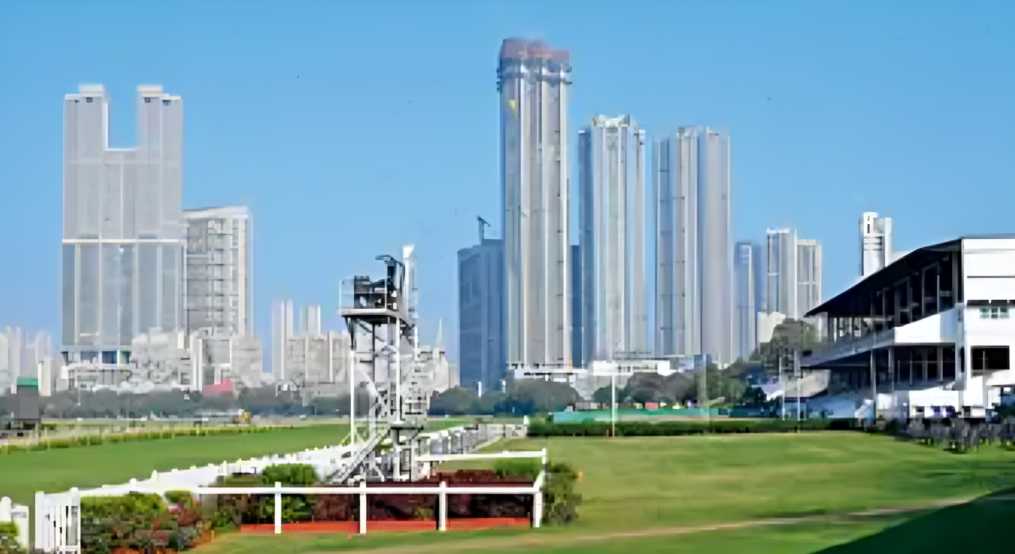
The debate follows concerns raised earlier by the Mumbai Architects Collective, where 102 architects and urban planners opposed the proposal for an underground complex beneath Mahalaxmi Racecourse as part of a planned 300-acre public park.
The group had stated, “We are opposed to building underground complexes beneath one of the city’s last large, natural, flood-absorbing grounds – in a city that is already chronically short of open space and increasingly vulnerable to flooding.”
NAGAR has recommended that public open spaces remain open to the sky, avoid built structures using cement, concrete and metal, and retain permeable surfaces. It suggested that parking requirements should instead be addressed through facilities beneath roads, transport hubs, public buildings and existing built-up areas.
Source: Mid-day