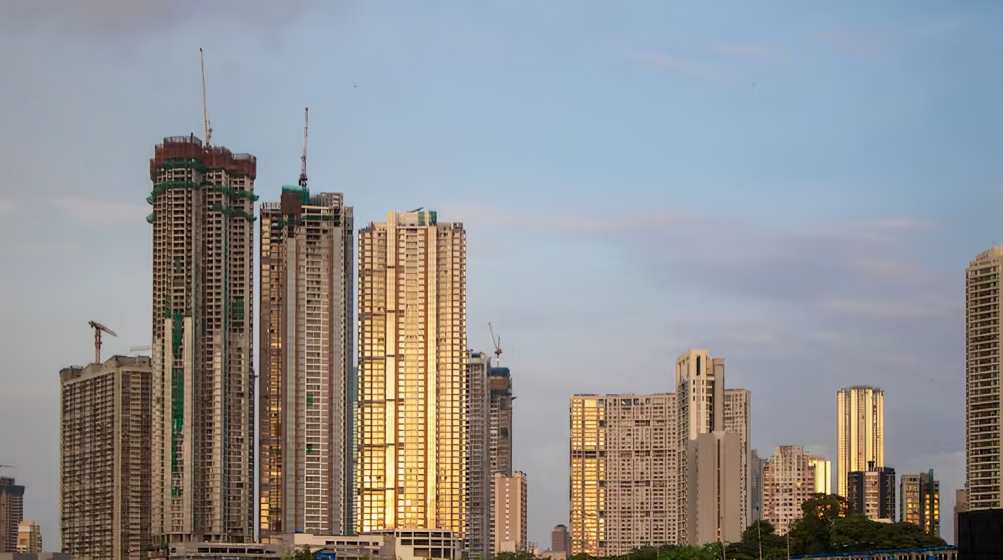

For decades, Cuffe Parade has represented Mumbai’s elite residential landscape, but the neighbourhood is now facing a growing debate over redevelopment. While developers are looking at ageing residential towers as valuable redevelopment opportunities, many long-time residents, especially senior citizens, are hesitant to leave behind the comfort, familiarity and social networks they have built over generations.
Amar Madnani, who has lived in Cuffe Parade with his nonagenarian mother Mira Madnani since 1974, has witnessed the transformation of the area from a reclaimed stretch of land into one of South Mumbai’s most sought-after addresses. However, he believes redevelopment could disrupt the lifestyle that residents have carefully built over decades.
“We do not see any advantage in terms of physical comforts or finances. Our lives will get disrupted, as we’ll have to move from our existing homes in Cuffe Parade. Most of the residents are members of clubs, including CCI, Bombay Gymkhana, Wodehouse Gymkhana, Radio Club etc. Most of our lives revolve around neighbours or in the clubs. So, redevelopment means relocation, which ultimately means serious disruption,” Amar says.
Redevelopment proposals have reportedly reached several buildings in the area, with residents divided over whether to accept them. While developers are offering larger homes, upgraded amenities and modern infrastructure, many elderly residents say the emotional and practical challenges of shifting outweigh the benefits.
Dr Laura D’souza, president of the Cuffe Parade Residents’ Association (CPRA), said, “Redevelopment here is a double-edged sword. On one hand, many senior citizens are reluctant to move out because this is the neighborhood they know — their markets, their community, their daily routines. A lot of them live alone, some are widows or widowers, and their children are abroad, so any disruption feels very personal to them. On the other hand, these are old buildings with no proper amenities for children — no compounds, no safe play areas, and parking is a major issue. Because of this, a lot of young parents are moving out to areas like Lower Parel, and we’re seeing more flats lying empty. Rentals aren’t helping either, because new families don’t want to come to Cuffe Parade without child-friendly facilities,” she said.
Concerns over stalled redevelopment projects, delayed rent payments and developer reliability have further increased resistance among residents. Many fear that handing over their homes could lead to uncertainty for several years.
Asha Idnani, an 81-year-old resident, said, “My husband passed away, and my children are settled abroad. At this age, how am I supposed to pack and move a lifetime’s worth of belongings, including heavy furniture? Even if I hire professional movers, who can guarantee that my valuables won’t be stolen, misplaced or damaged?”
She added, “Many developers fail to complete projects within the promised timeline or stop paying monthly rent to displaced tenants midway. Such incidents have made senior citizens wary of handing over the homes they have spent a lifetime building.”
Residents also worry about losing their daily routines and social connections. Ramasubban Balakrishnan said, “I don’t want to opt for redevelopment because these projects take three to four years, sometimes even longer. Where am I supposed to live until then? Who will guarantee that I will continue receiving rent if the project gets delayed? And once the building is ready, who will bear the burden of higher property tax and increased monthly maintenance? There are thousands of questions running through my mind, but no one has any answers.”
However, some residents believe redevelopment offers an opportunity to improve living standards and address ageing infrastructure. Senior citizen Padmakar Nandekar said, “The receipt of interest from reputed developers indicates the redevelopment potential of our property. However, redevelopment is not merely a commercial decision; it is a long-term decision affecting every family in the society. Our responsibility is to place all facts before the members, including the Government’s lease conversion policy, the implications of future lease renewal, and the opportunities available through cluster redevelopment. No decision has been taken. Transparency, legal compliance and the collective interest of all members will remain our guiding principles.”
As redevelopment discussions intensify in Cuffe Parade, the issue has moved beyond property value and construction. For many residents, the decision represents a choice between preserving a familiar way of life and accepting the promise of a new urban future.
Source: Mumbai Mirror