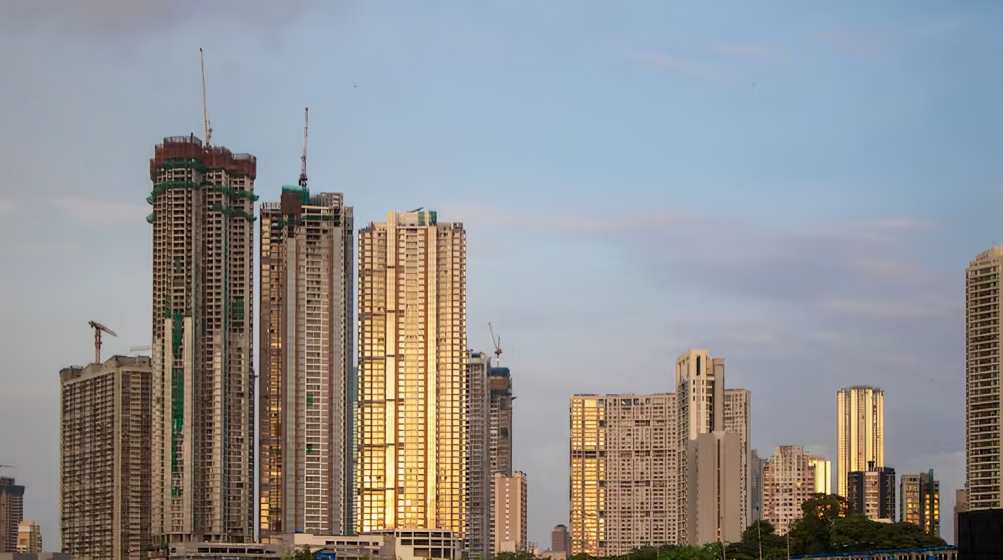
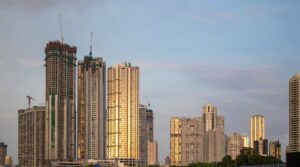
Maharashtra’s real estate market is expanding beyond Mumbai, with Pune, Thane, Navi Mumbai and emerging growth corridors such as Mumbai 3.0 attracting increasing interest from homebuyers and investors.
Pune remains the most stable market
Pune continues to be viewed as one of Maharashtra’s most dependable property markets outside Mumbai. Anand Agarwal, Managing Director of Ceratec Group, said the city has strengthened its position as a major real estate hub, supported by its IT and Global Capability Centre ecosystem, education sector, manufacturing base and infrastructure growth.
Amitesh Shah, Chief Executive Officer – Mumbai Zone at Godrej Properties Ltd, also highlighted Pune’s diversified economy, improving infrastructure and strong end-user demand. Saarthak Seth, Chief Sales and Marketing Officer at Tata Realty and Infrastructure Ltd, pointed to the expanding metro network and steady rental demand from professionals as key growth drivers.
Mumbai 3.0 emerges as a new opportunity
Experts are also increasingly focusing on Mumbai 3.0, covering areas such as Panvel, Karjat and Khalapur and regions benefiting from the Atal Setu and Navi Mumbai International Airport.
The emerging belt is expected to develop into a major residential and commercial growth centre, offering relatively better value compared with established Mumbai locations.
Thane and Navi Mumbai remain strong
Thane and Navi Mumbai have already evolved into established real estate markets. Improved metro and road connectivity, along with the airport and other infrastructure projects, is supporting demand and opening new commercial opportunities.
Nagpur, Nashik and Chhatrapati Sambhajinagar gain attention
Beyond the Mumbai-Pune corridor, Nagpur, Nashik and Chhatrapati Sambhajinagar are emerging as potential growth markets. Nagpur’s logistics ecosystem, Nashik’s infrastructure and industrial expansion, and Chhatrapati Sambhajinagar’s EV manufacturing investments are supporting their prospects.
Experts advise buyers to focus on employment growth, infrastructure, connectivity and long-term economic development rather than short-term price gains.
Source: Bhaskar English