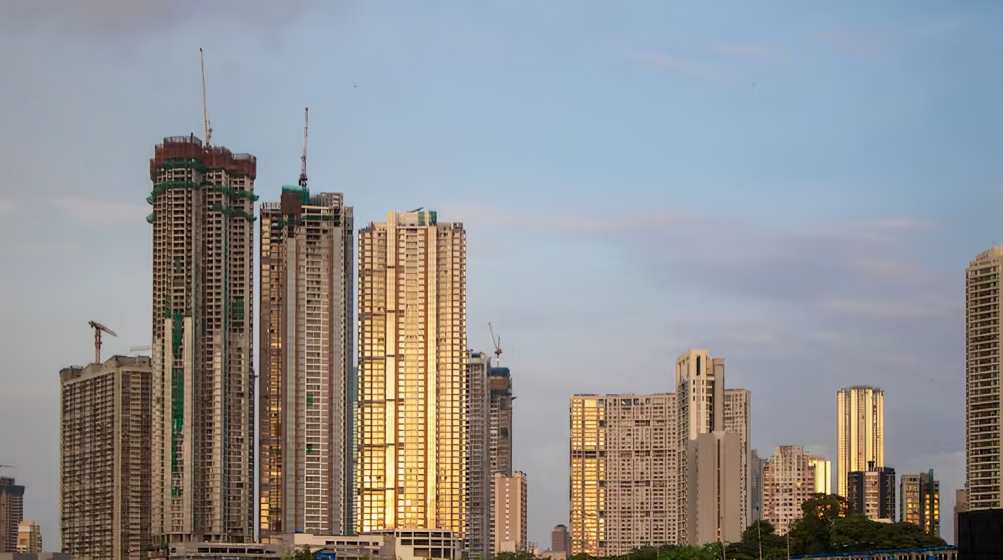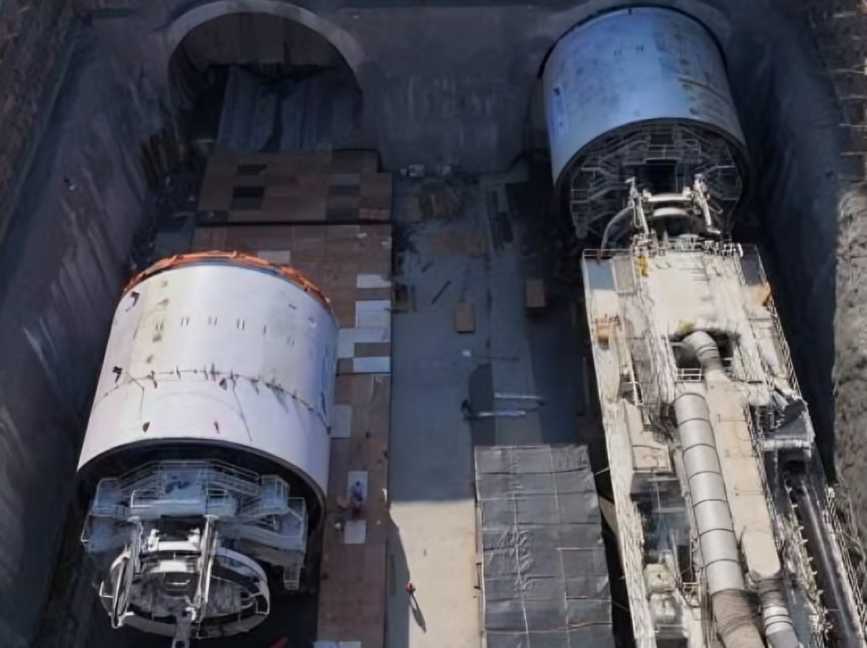

Mumbai is entering a new phase of infrastructure development, with Tunnel Boring Machines (TBMs) taking on a growing role in building transport links beneath the city.
Several major projects are currently using or planning underground construction, including the Versova-Dahisar Coastal Road, Thane-Borivali tunnel, Orange Gate-Marine Drive tunnel and Goregaon-Mulund Link Road. The Mumbai-Ahmedabad bullet train project will also feature a 21-km tunnel between Bandra Kurla Complex and Shilphata, including a seven-km undersea section.
The Mumbai Metropolitan Region Development Authority has additionally planned a 17.4-km underground Metro corridor between Wadala and Gateway of India and is preparing a detailed project report for a proposed 70-km integrated underground tunnel network.
TBMs Built For Specific Projects
Officials involved in the projects consider TBMs suitable for Mumbai because they can excavate deep tunnels while limiting disruption in densely populated areas. However, the machines are expensive and require extensive planning.
The TBMs being used for different projects vary in size and technology. The bullet train machines have a diameter of 13.6 metres, while those deployed for the Thane-Borivali tunnel measure 13.34 metres. The Orange Gate-Marine Drive machine has a diameter of 12.19 metres.
Manufacturing a customised TBM can take 12 to 15 months, followed by transportation and assembly. According to officials, the complete process can take up to 18 months. One machine can cost around Rs 200-250 crore, including manufacturing, transportation and assembly.
Mumbai Seeks Greater TBM Reuse
Import dependence is another challenge, with several manufacturers having production or assembly facilities overseas. Officials have also pointed to delays in obtaining equipment because of international logistics and regulatory clearances.
India has been working to expand domestic TBM manufacturing and assembly capacity. Herrenknecht established an assembly facility in Chennai in 2007 and later expanded its operations.
Reusing TBMs could also reduce costs. Mavala, originally procured for Mumbai’s Coastal Road, is now being used for the Orange Gate-Marine Drive tunnel. However, differences in machine diameters can limit the possibility of reusing equipment.
Several TBMs have also received names. Mavala was reportedly the first named TBM used in Mumbai, while Nayak and Arjuna are operating on the Thane-Borivali tunnel. Nayak is named after the butterfly Moduza procris found in Sanjay Gandhi National Park, while Arjuna takes its name from a tree species found there.
As Mumbai’s surface space becomes increasingly constrained, these machines are helping push the city’s infrastructure deeper underground.
Source: The Print