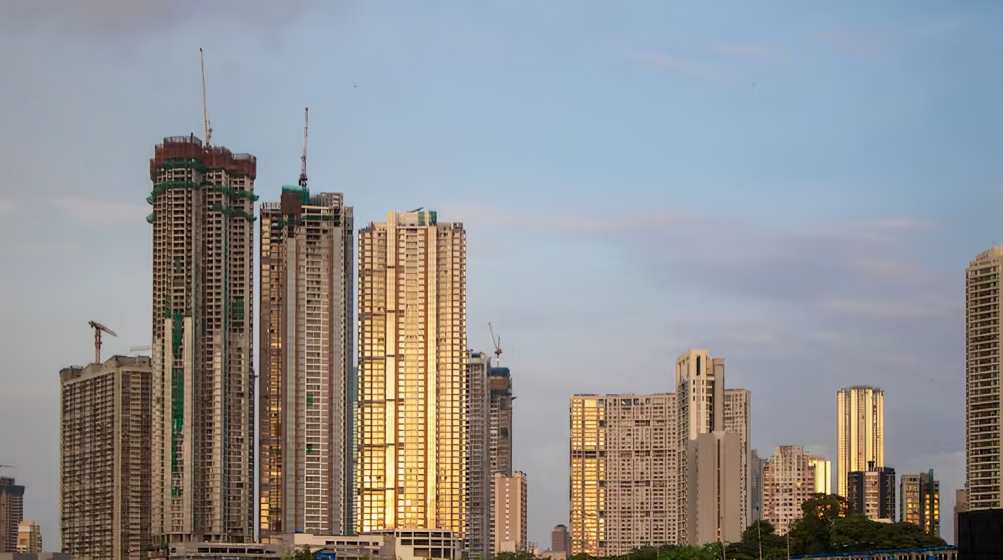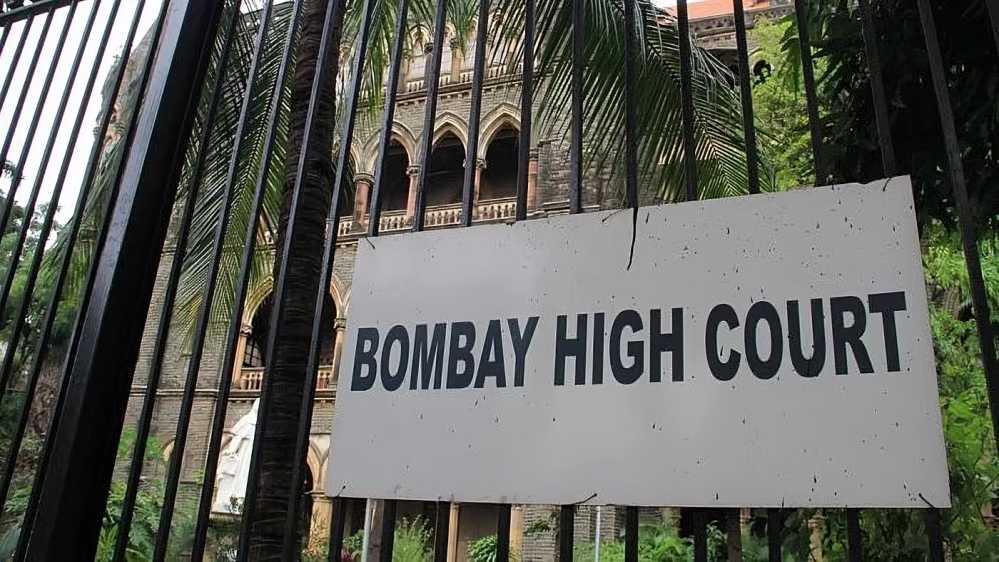

The Bombay High Court has raised concerns over the inclusion of the public clothes-drying area at Mumbai’s iconic Mahalaxmi Dhobi Ghat in a Slum Rehabilitation Authority (SRA) redevelopment scheme. The court has asked the Brihanmumbai Municipal Corporation (BMC) to explain how the proposal was allowed on the land and whether the interests of the traditional washermen community were properly considered.
The issue has brought renewed attention to the use of public land for redevelopment in Mumbai, particularly where such spaces are linked to established occupations and community livelihoods.
The court’s intervention follows a challenge to the proposed use of the Dhobi Ghat drying area for redevelopment. The open space at Mahalaxmi has traditionally been used by the washermen community to dry clothes, making it an essential part of their daily work and livelihood.
The High Court has sought details from the BMC regarding the process through which the SRA scheme was permitted on the site. It also wants to ascertain whether all relevant legal and administrative requirements were followed before the redevelopment proposal was approved.
The land is significant not merely because of its location but also because of its longstanding occupational use. The drying area remains integral to the functioning of the historic Dhobi Ghat. Previous legal proceedings concerning the property have also resulted in protection for the drying space, highlighting the sensitivity surrounding development activity at the site.
The court’s scrutiny comes amid broader concerns over the implementation of Mumbai’s slum redevelopment policies. Questions have recently been raised over the use of SRA incentives and concessions on vacant or non-slum plots, prompting further examination of how such benefits are being granted.
The Mahalaxmi dispute underscores the challenge of balancing redevelopment and rehabilitation with the protection of public assets and traditional livelihoods. In a city where land values are exceptionally high, decisions involving open spaces can have significant consequences for urban planning and local communities.
The matter is expected to remain before the court as the BMC submits the documents and explanations sought by the bench. The proceedings could also influence how future redevelopment proposals involving public land and established community-use spaces are assessed.
Sources: Prop Newstime