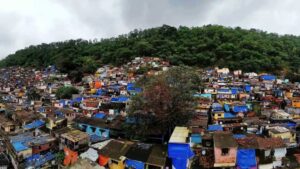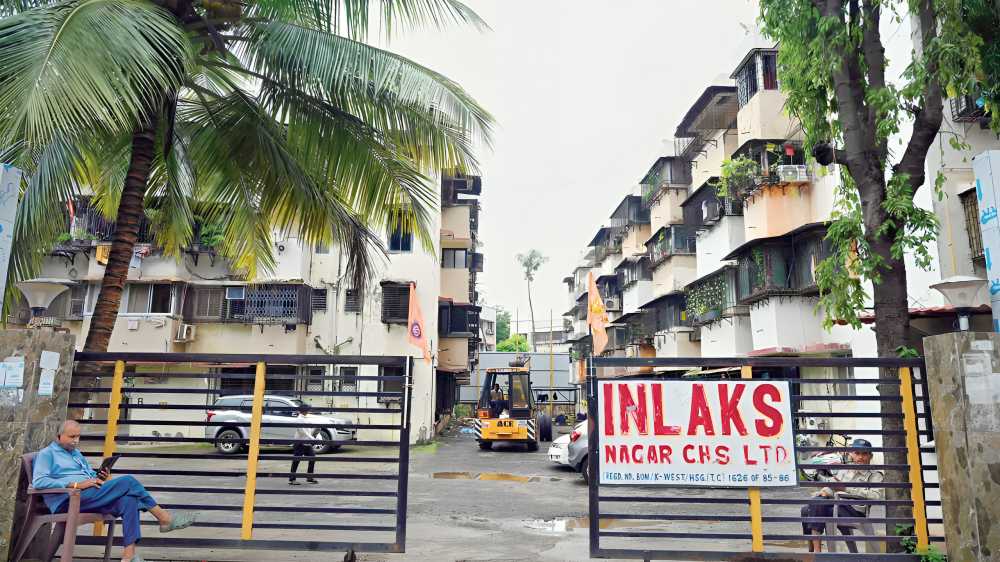

For decades, Inlaks society in Versova has been more than a residential complex for Mumbai’s film fraternity. It became a familiar address for actors, writers, directors and other aspiring artistes who arrived in the city chasing a career in Bollywood. With the society now heading for redevelopment, many former residents are reflecting on the role it played in their journeys.
Screenwriter Raghav Raj Kakker, who came to Inlaks in 2011, recalls a very different Versova. “This used to be such a deep end of the city, that literally a dust bowl was flying here,” he remembers, “This wasn’t even a paved road, it was a rough road.”
Originally developed as affordable housing for members of the Sindhi community through the Amil Panchayat, Inlaks gradually acquired an identity of its own within Mumbai’s film industry. Actors, cinematographers, directors, casting professionals and writers lived there or regularly gathered around the society.

Kakker describes the atmosphere as a “mini FTII”, recalling the presence of Rajkummar Rao, Aakash Dahiya, Chandan Roy Sanyal and several other industry professionals. “There was a sense of community. Outside Inlaks and inside Inlaks, there are a lot of people like me who are in different degrees of success. Some are just starting out, some are about to start, some have already started. And the common factor was this space.”
For casting director Aakash Dahiya, who lived there from 2008 for four to five years, the tea stall outside became an informal industry networking hub. “It was an informal network, you found out about work simply by being around,” he says. “So when you tell me Inlaks is going away, it doesn’t feel like you’re just taking down a building. We have seen a life there.”
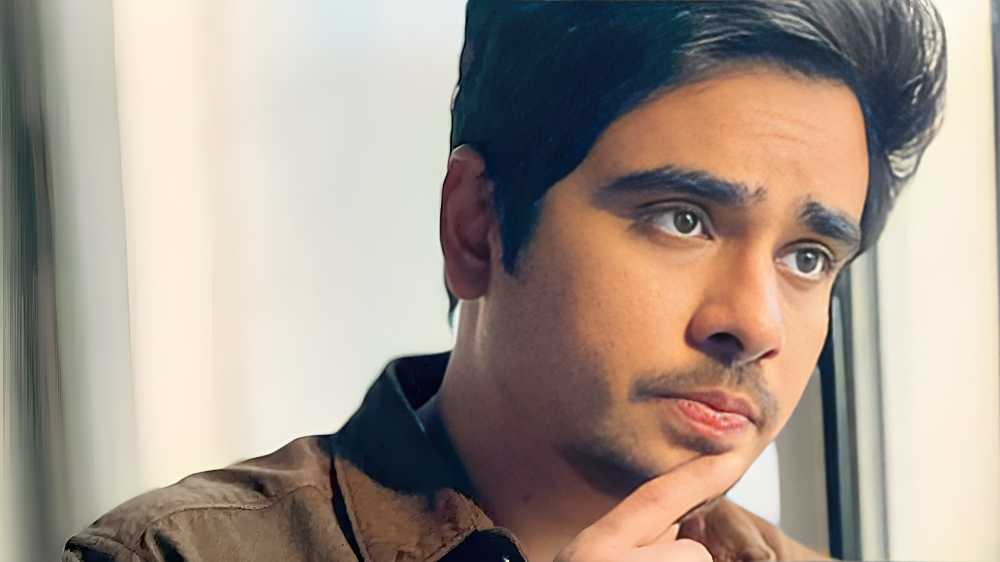
Actor Ashish Verma, who moved to Inlaks in 2012 after leaving FTII, remembers the society as a close-knit community that helped newcomers cope with Mumbai’s pressures. “Mumbai can be very lonely, and the film industry can be brutal because actors are rejected every single day. Here, you would come home and there would be 10-15 people around you. It became this mini-hostel, this community of people who were all trying to figure their lives out together. And that is something I think you don’t easily recreate.”
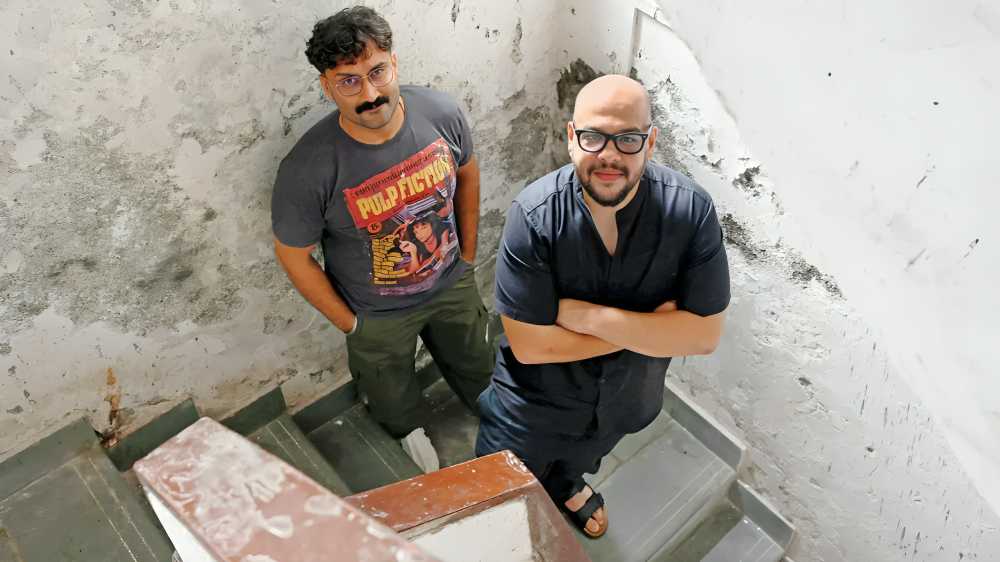
Screenwriter Kashyap Kapoor also considers the society an important part of his professional journey. “Inlaks in that sense is a safe space and a sanctuary,” Kapoor says. His small office there became the workplace where he and Kakker developed several projects.
Yet redevelopment is also a sign of Mumbai’s changing economics. Real-estate broker Mohit Sharma said a 1-BHK in and around Inlaks and Yari Road can now command roughly Rs 45,000 to Rs 55,000 a month, depending on the property.
For many who lived there, the biggest concern is whether Mumbai will continue to leave affordable space for young artistes. Kapoor asks, “This was the last bastion of those who are starting out,” and adds, “Because now where will the people live?”
As Inlaks prepares to change, its physical structure may disappear, but its place in the memories of Mumbai’s film community is likely to endure. Its story reflects a city where dreams continue to find a way, even as the spaces that once sheltered those dreams become increasingly difficult to preserve.
Source: Mid-day