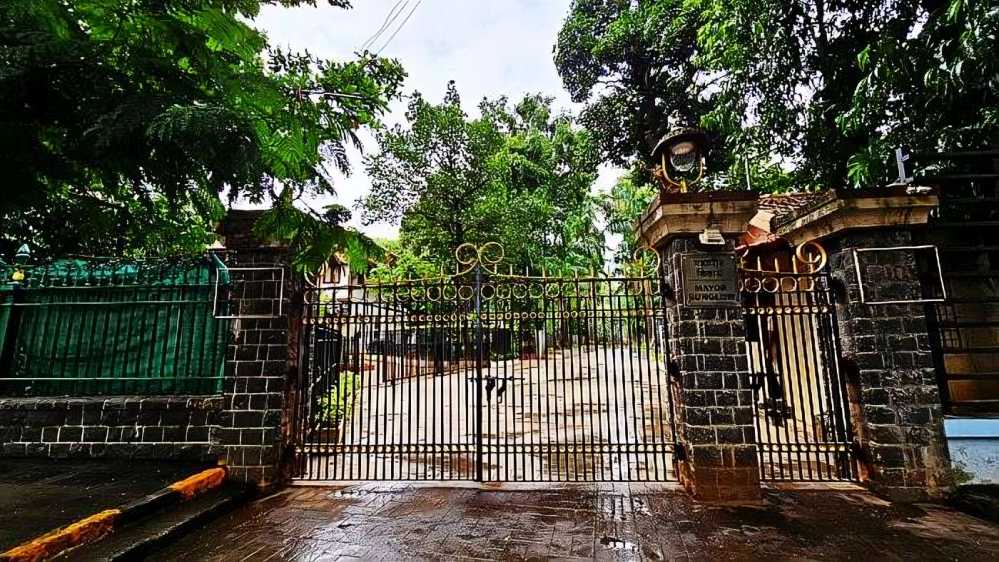

Mumbai Mayor has opened a pathway adjoining the official residence near Veermata Jijabai Bhosale Botanical Udyan and Zoo for morning walkers, offering residents an additional space for walking in a city where accessible public areas remain limited.
The pathway will be available from 6 am to 9 am. The move comes after morning walks inside the Mumbai Zoo, popularly known as Rani Baug or Ranichi Baug, were discontinued following Central Zoo Authority guidelines that require a disturbance-free period for animals before the zoo opens to visitors.
The decision has been welcomed as a practical response to the city’s shortage of open spaces. However, it has also brought renewed attention to a larger question concerning pedestrian rights, particularly following a recent Supreme Court ruling recognising the Right to Walk as a fundamental right.
On June 19, 2026, the Supreme Court, in Maniyar Iliyaz @ Shaik Riyaz v. P. Ayyappan, recognised the Right to Walk on designated footpaths as a fundamental right. The judgment also placed responsibility on urban development authorities, municipal corporations, municipalities and panchayats to demarcate, construct, maintain and protect pedestrian infrastructure.
The ruling represents a significant shift in how public spaces and streets are viewed. Pedestrian movement is no longer simply an issue of convenience or civic planning but a right that authorities are expected to facilitate.
Against this backdrop, the opening of the walking pathway near Rani Baug highlights both the demand for safe walking spaces and the continuing dependence on administrative decisions for access to them.
The move has therefore sparked a broader debate: if walking is constitutionally recognised as a fundamental right, should citizens have to rely on individual decisions by civic authorities to find suitable spaces for their daily walks?
For Mumbai residents, where footpaths are often congested, encroached upon or poorly maintained, the issue goes beyond morning exercise. It raises questions about how the city plans, protects and prioritises pedestrian infrastructure.
The new pathway may provide temporary relief to walkers, but the Supreme Court verdict could potentially require a much wider rethink of pedestrian access across Mumbai.
Source: The Draft