
Mumbai’s long-running dispute over the Century Mill land has taken a new turn after the Supreme Court ruled in favour of the city’s ownership, only for the Brihanmumbai Municipal Corporation (BMC) to subsequently approve a 30-year lease of the property to a private developer.
The land is part of a larger legacy of Mumbai’s textile-mill properties. Under the city’s development plans, substantial portions of mill land were originally expected to be brought into public use for housing, open spaces and civic amenities. Critics, however, have long argued that only a limited share ultimately reached public agencies.
The Century Mill land has an even longer history. In 1918, Century Textiles and Industries sought land under the ‘Poorer Classes Accommodation Scheme’ created under the 1898 City of Bombay Improvement Act. The Improvement Trust sanctioned a 4.2-hectare plot for 980 homes and 20 shops. A revised arrangement later resulted in a 28-year lease over 2.5 hectares at a nominal annual rent of one rupee.
That lease expired in 1955. Century Mills eventually shut in 2008, after which the ownership dispute intensified. The company approached the Bombay High Court decades later, claiming rights over the property. After the High Court ruled in its favour, the BMC challenged the decision in the Supreme Court.
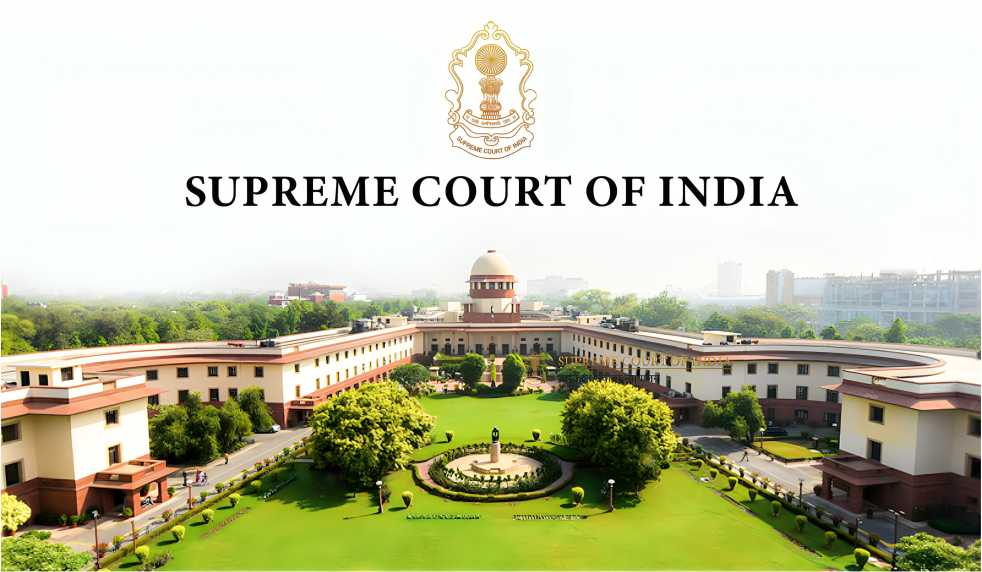
In January 2025, the Supreme Court ruled that Century Textiles, now Aditya Birla Real Estate Limited, had no continuing claim over the land and that it should vest with the BMC.
The ruling relied heavily on the original welfare purpose of the lease, under which the property was intended “exclusively as dwellings for the employees of the lessees” and “in any case only for members of the poorer classes”.
The court described the arrangement as having a “protective and welfare-oriented character” and warned against converting a public welfare scheme into an instrument of private gain.
However, on August 14, the BMC Improvements Committee approved leasing the land to another developer for 30 years for Rs 1,321 crore.
Critics argue that the move defeats the wider public-purpose principles highlighted by the Supreme Court. Instead of using the land for housing, open space, a school or a municipal market, the property is once again being brought into the private real estate cycle.
The decision has therefore revived a larger debate over how Mumbai’s scarce public land should be used and whether its redevelopment should prioritise commercial returns or broader public welfare.
Source: Mumbai Mirror