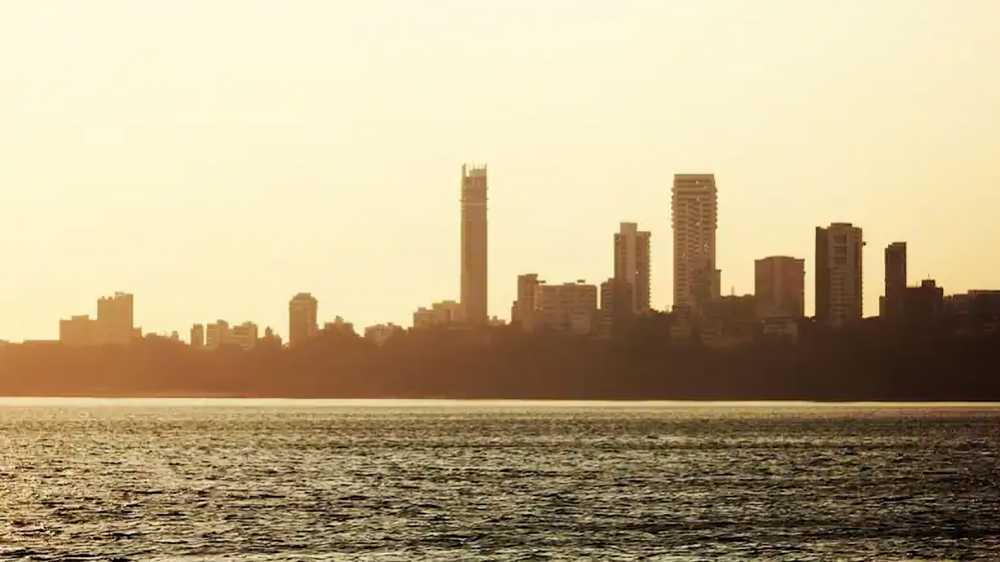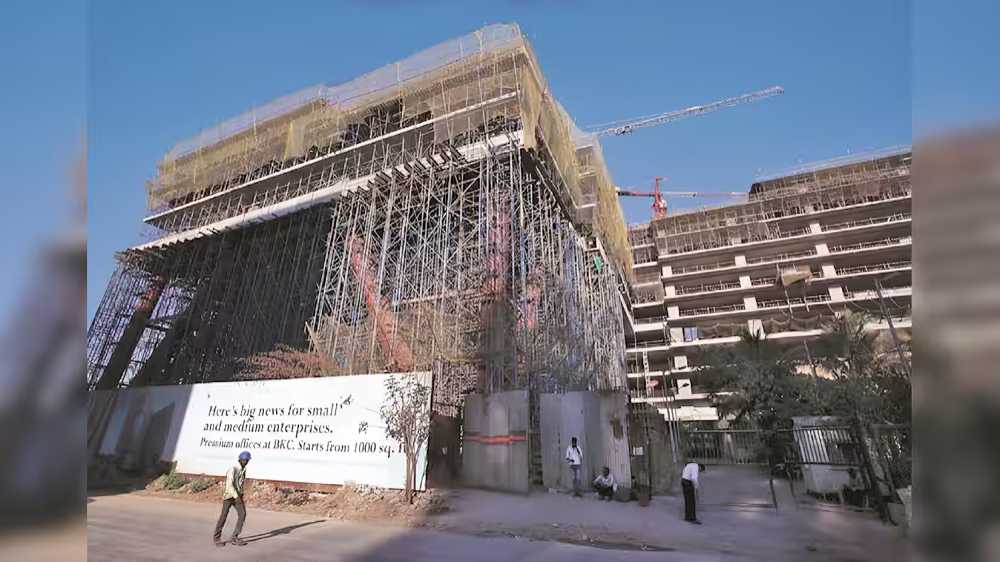

Mumbai’s transformation from a textile-driven industrial city into a major financial and services centre accelerated after India’s 1991 economic reforms, while land-use changes, new business districts, technology and infrastructure reshaped the city’s economy and skyline.
In the 1980s, textile mills dominated Mumbai’s landscape and supported a vast industrial workforce. The 1982 Great Bombay Textile Strike, led by Datta Samant, became a major turning point as the city’s traditional mill economy weakened.
Changes in development regulations soon opened new possibilities for former mill lands. Development Control Regulation 58, introduced in 1991, allowed portions of mill land to be sold, transferred for public amenities and used for workers’ housing. The repeal of the Urban Land Ceiling Act in 1999 further expanded opportunities for large-scale development.
Niranjan Hiranandani, chairman of Hiranandani Group, said, “That single decision did more to reshape Mumbai’s built form than any policy of the liberalisation era. The Act had held the city in an artificial stranglehold for decades. When it was repealed, large contiguous parcels became developable, integrated townships became viable, and Mumbai could finally build at the scale its economy demanded,”
Hiranandani added, “Liberalisation pushed Mumbai to redefine the value of mill lands, which had become uncompetitive and unviable. Hence, the mill land was naturally shifted from industrial use to redevelopment as prime real estate and a service asset to fetch better economic value,”
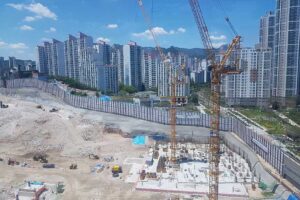
As industrial activity declined, areas such as Lower Parel, Worli, Andheri, Powai and BKC emerged as new commercial and residential centres. Mumbai gradually moved from the traditional Fort-Nariman Point business axis towards a more dispersed, multi-centred urban economy.
Navi Mumbai also gained momentum as companies sought organised infrastructure and comparatively lower office costs. Anuj Puri, chairman of Anarock Group, noted that by 2015, more than 75% of Navi Mumbai’s office space was occupied by such firms. The city’s connectivity, planned development and access to educational institutions helped attract IT, technology and global capability centres.
The economic transition also changed Mumbai’s social and cultural fabric. Chawls increasingly gave way to high-rise housing, while the decline of textile employment displaced many traditional working-class communities. Mumbai’s iconic dabbawala network also faced challenges after the pandemic as food-delivery platforms and cloud kitchens expanded.
Finance and technology became major drivers of the new economy. The rise of BPO and technology services created new office clusters and contributed to Mumbai’s late-night working culture. At the same time, institutions such as SEBI and the National Stock Exchange helped strengthen Mumbai’s position as India’s financial capital, with BKC emerging as a major financial district.
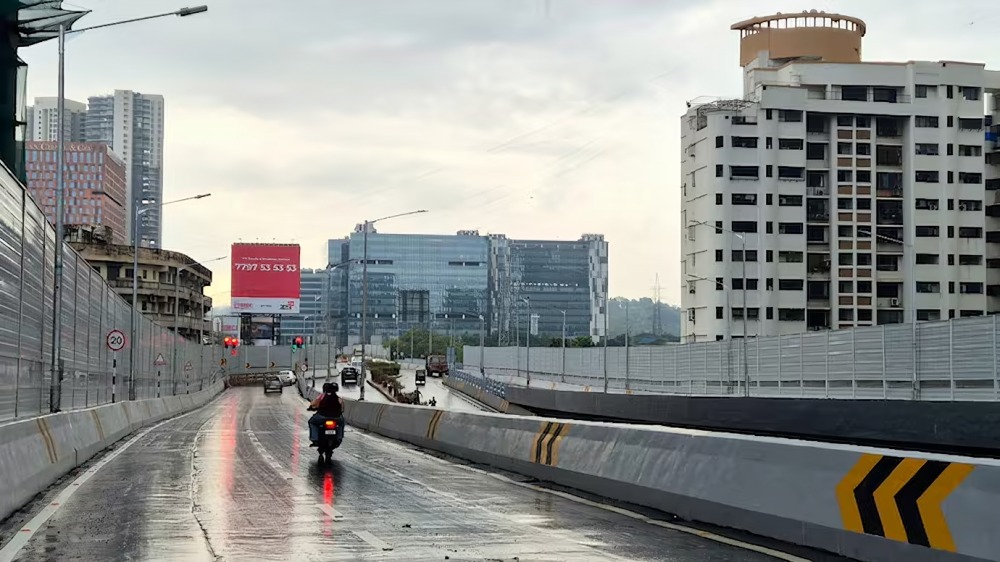
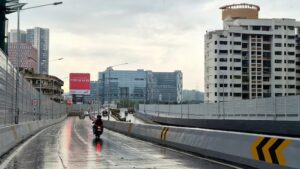
Infrastructure has played a critical role in connecting these changing economic centres. Suburban rail, the Mumbai Trans Harbour Link, Palm Beach Road, Metro networks, the Coastal Road and Navi Mumbai International Airport have reduced travel times and expanded the city’s development footprint.
Urban planner Dikshu C Kukreja said, “The expansion of suburban rail connectivity, the Palm Beach Road corridor, the Mumbai Trans Harbour Link (MTHL), the recently opened Navi Mumbai International Airport (NMIA) and improving metro connectivity have progressively reduced the psychological and physical distance between different parts of the city,”
Parag Munot, MD of Kalpataru, said, “Today, where people choose to live and work is increasingly driven by connectivity. In many ways, Mumbai is shrinking — not geographically, but in terms of travel time,”
With Mumbai 3.0 and other proposed expansion projects, the city’s transformation is continuing. From mills and chawls to malls, financial centres and emerging urban corridors, Mumbai’s evolution reflects the wider shift in India’s economy from manufacturing towards services, finance and technology.
Source: Business Standard