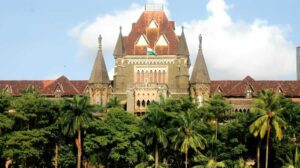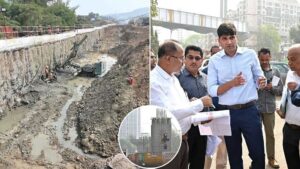

The Bombay High Court has allowed the Brihanmumbai Municipal Corporation (BMC) to remove 1,237 mangroves for the construction of the proposed Versova-Madh Island bridge, subject to a set of environmental safeguards and compensatory plantation measures.
A Bench comprising Chief Justice Mahesh Chandra Tripathi and Justice Advait Sethna passed the order on September 17, 2026. The court permitted the project after considering the BMC’s commitments regarding mangrove restoration, monitoring and compliance.
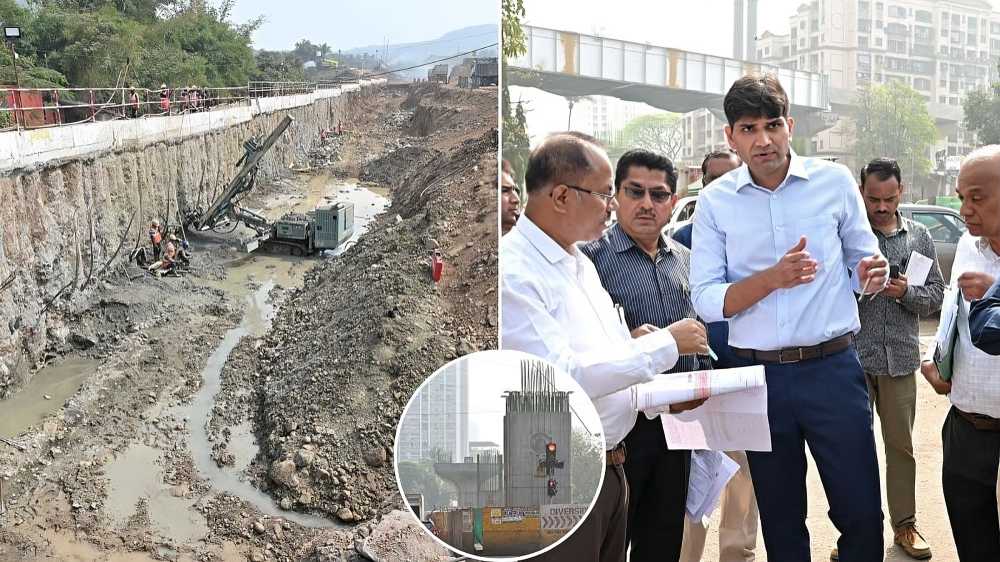
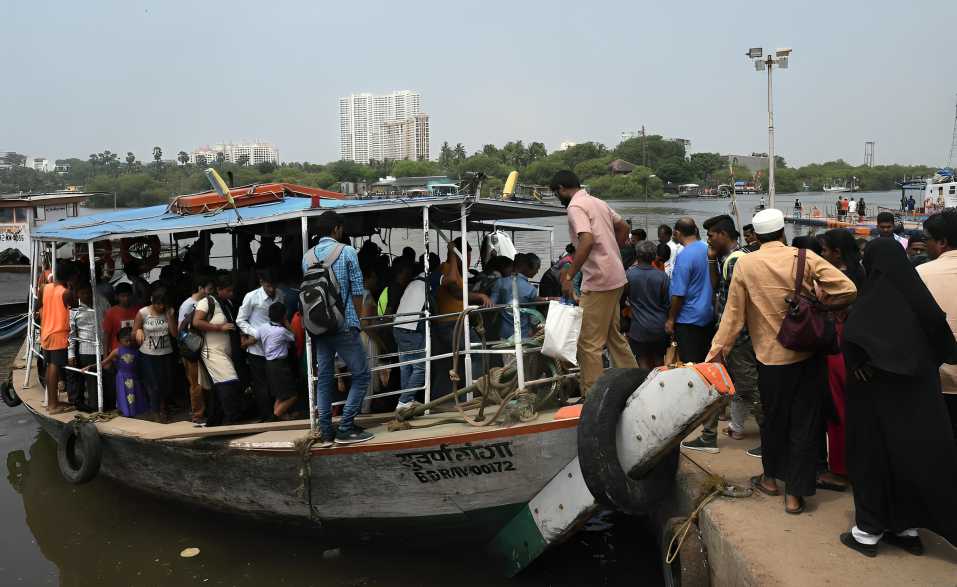
The proposed bridge is expected to significantly improve connectivity between Versova and Madh Island. According to the BMC, the project could reduce the road travel distance between the two locations from around 22 km to 1.5 km, easing dependence on existing congested routes.
39,000 Mangroves to Be Planted
As part of the conditions, the BMC will plant 39,000 mangroves across nine hectares of land. The corporation has also been directed to monitor the plantation for 10 years to assess its survival and growth.
The civic body will additionally deposit Rs 1.42 crore and submit an undertaking to comply with the conditions imposed by the court. The Bench made it clear that any breach of the undertaking could result in legal consequences.
The BMC, which is the project proponent, had approached the court after obtaining the necessary clearance for construction of the bridge across Malad Creek. It had initially sought permission for removal of 560 mangroves, but the requirement increased to 1,237 following a subsequent reassessment.
Court Says Project Serves Public Interest
While permitting the project, the Bench observed that the bridge was being developed as public infrastructure and was intended to improve connectivity for residents rather than serve the interests of any specific company.
The court noted that better connectivity between Madh Island and Mumbai’s western suburbs could help commuters avoid lengthy journeys caused by congestion on existing roads.
The Bench said the project could proceed with safeguards for mangrove restoration and environmental protection. It recorded the BMC’s commitments to plantation and long-term monitoring while accepting the corporation’s undertaking.
The order allows construction of the bridge to move forward while placing specific responsibilities on the civic body to compensate for the ecological impact of mangrove removal.
With the environmental conditions now laid down, the BMC will need to balance construction progress with mangrove restoration, plantation survival and compliance with the court-mandated safeguards throughout the project.
Source: The Hindu